Essential oil during pregnancy
Essential oils are magical compounds with many therapeutic uses, but for pregnant women, it’s important to know the facts — especially if they could harm your baby.
What are essential oils?
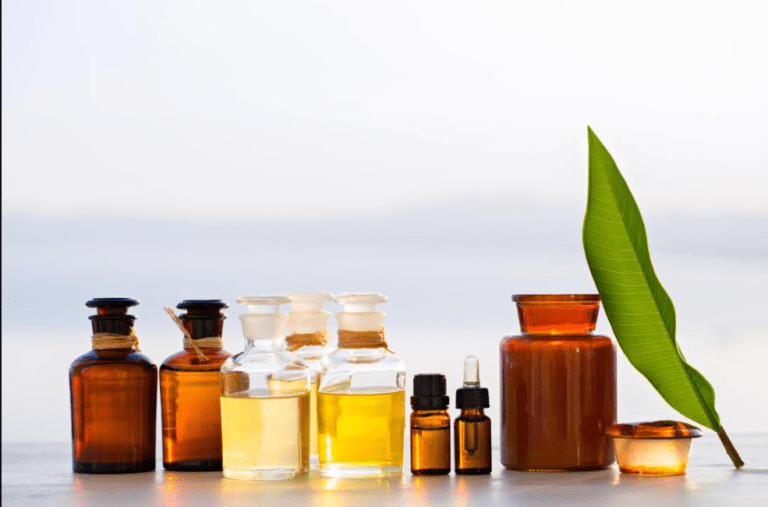
Essential oils are aromatic oils that contain high concentrations of plant extracts. When used in aromatherapy massages or in oil burners, small amounts of concentrated essential oils are usually mixed with other ‘carrier’ oils. Some everyday toiletries, cosmetics, foods and beverages also contain small amounts of essential oils. Essential oils can be toxic or cause skin irritation if used in their pure form (undiluted).
Are essential oil products safe to use during pregnancy?
Food items/beverages
The levels of essential oils found in commercially available foods and beverages are generally low and are generally not expected to pose a risk to your unborn baby. However, it is always advisable to read the information of any product.
Cosmetics / Toiletries
The levels of essential oils found in everyday perfumes, cosmetics, skin care products and toiletries are generally low and therefore unlikely to pose a risk to your unborn baby. However, it is always important to check the product information to see if it is recommended to avoid pregnancy. It is also important to avoid products from unknown suppliers, such as unbranded products sold over the Internet because they may not pass safety and quality control testing, and may contain other substances that may be harmful to the unborn child. can be harmful.
Aromatherapy massage
Although no major scientific studies have been conducted to assess whether essential oils are ‘safe’ to use in pregnancy massage, it appears that many pregnant women enjoy aromatherapy massage without any problems. . As a precaution, some women (and practitioners) prefer to avoid aromatherapy during the first trimester when the baby’s body and internal organs are forming. However, it is recommended not to use specific essential oils for massage at any stage of pregnancy (see below).
Essential oils are absorbed through the skin and can enter the bloodstream, if a large area is being massaged, or if the skin is broken. Several essential oils are said to stimulate uterine contractions and should be avoided during pregnancy.If you are unsure about which oils can be used during pregnancy, you should seek the advice of a trained professional.
Decongestants
Some essential oils (eg eucalyptus, camphor, menthol and others) have decongestant properties and are commonly used to treat nasal congestion. Combinations of these oils are found in commercially available inhaled decongestants (such as Olbas Oil, Vicks Vapo Rub, Krol). Manufacturers of these products generally recommend that pregnant women consult their doctor before use. Although there are no specific pregnancy safety studies on these products, in a small study of about 170 pregnant women who applied camphor oil (an ingredient in Vicks Vapo Rib) to their skin in early pregnancy, showed no association with an increased risk of birth defects. Their children
Citronella oil
Citronella oil is often applied directly to the skin as an insect repellent. Usually only small amounts are used for this purpose and citronella oil is not harmful in pregnancy when used in this way. However, citronella oil is not considered effective enough to protect against mosquito bites in areas where malaria may be prevalent. If you need information on this topic, please see the Bump leaflet on the use of insect repellents in pregnancy.
Clove oil
Clove oil is a traditional remedy for toothache. There are no pregnancy safety studies on clove oil. However, there are a small number of isolated reports of women using clove oil for toothache during pregnancy, the majority of whom gave birth to healthy babies.
Wintergreen oil
Wintergreen oil is an ingredient in some muscle spasms such as deep heat. Wintergreen oil contains methyl salicylate, which is related to aspirin. Commercially available muscle relaxants are generally low in wintergreen oil (and therefore methyl salicylate) and are unlikely to cause problems when used according to the manufacturer’s instructions in pregnancy. However, the use of aspirin (and other drugs in the NSAID family) is not recommended in late pregnancy, so as a precaution, women may want to avoid wintergreen oil products after the second trimester. .
Use of essential oils in labor
Essential oils (either inhaled or applied to the skin) are sometimes used by women during labor. A study of 250 pregnant women found no evidence of harm to mother or baby who used any of the following essential oils during labor: lavender, mandarin, Roman chamomile, frankincense, or clary sage.
Essential oil poisoning
- Undiluted essential oils are highly toxic and should not be ingested during pregnancy or at any other time. Undiluted essential oils should also not be applied to the skin as they can cause severe irritation and/or allergic reactions. If you ingest essential oils
- The National Association for Holistic Aromatherapy (NAHA) states that essential oils can cross the placental barrier and have the potential to affect the fetus. The amount actually absorbed through the mother’s skin is small and therefore the amount reaching the placenta is small if adequate dilutions are used. [1]
- However, many experts advise against using them in the first trimester. According to Jill Edwards, a naturopath who specializes in prenatal care, essential oils can cause or adversely affect the contraction of the uterus during the early stages of your baby’s development. [2]
- “In the second and third trimesters, some essential oils are safe to use, as your baby is more developed,” adds Edwards. These include lavender, chamomile and ylang-ylang, which help with calm, relaxation and sleep. Oils to avoid include cinnamon, clove, rosemary and clary sage, all of which can cause contractions.
Essential oils that are safe to use in the second and third trimesters of pregnancy include:

- Bergamot
- Roman Chamomile
- Eucalyptus
- Geranium
- Ginger
- grapefruit
- Lavender
- lime
- Lemon grass
- lime
- Mandarin
- Neroli
- Patchouli
- Petitgreen
- Rose Otto
- Rosewood
- Sandal wood
- Sweet orange
- Tea tree
- Ylang-ylang
It’s important to remember to always do your own research with products, especially when your child’s safety is a factor. You can also consult your healthcare provider before using any product you are unsure about. Essential oils can be very beneficial during pregnancy; It’s all just a matter of being careful and aware.
Want more educational tips or want to know the benefits of specific ingredients?
Willow & Sage Magazine offers recipe after recipe for natural bath and body products that are healthy for your skin and fun to make!
Our willow and sage botanicals are 100% pure and all natural. Our oils can be used to create blends for aromatherapy, helping with stress relief, insomnia, headaches, anxiety and more. Or they can be used to create fragrances for your bath and body plans that are wonderfully relaxing for those sore muscles and tired feet. Remember to choose fragrances that are safe for your little one and always dilute them before applying them to your skin.
Essential oils and pregnancy protection

Bottles of essential oils that are safe for pregnancy surrounded by flowers Editor’s note: This blog was originally published in 2019 and has been updated for accuracy and comprehensiveness.
We can all agree that pregnancy is a joyful, rewarding, and life-changing experience. But it comes with important decisions to make and some not-so-pleasant side effects to contend with. Given all of this, it’s okay to admit that pregnancy can be stressful and challenging at times.
Wouldn’t it be great if natural remedies were available to deal with pregnancy stress, morning sickness, or nausea? Good news, essential oils are here to help! It is important to understand that each obstetrician has their own criteria for discussing with patients the use of essential oils during pregnancy. Please be sure to talk to your doctor before trying anything new before, during or after pregnancy.
Pregnancy is a miraculous time—your baby is finally growing right before your eyes! But a changing body and fluctuating hormones can leave you feeling less and less. Back pain, swollen feet, anxiety and all kinds of physical ailments can take their toll.
If you’re feeling a little less glowy and a little more achy and tense these days, you’re probably looking for a safer form of relief. And if you’re a nature-minded mama-to-be, you’ve probably heard of aromatherapy — a complementary health technique that uses essential oils.
Aromatic oils are typically diluted with a carrier oil for massage, added to a slightly warm bath or in a vaporizer to diffuse and inhale the scent.The effects of aromatherapy can range from relieving insomnia to reducing nausea. If you’re considering trying it yourself, consider some expert advice to keep you and your baby safe.
An essential oil is an extract made by steaming or pressing large amounts of a plant (often its flowers, bark, or leaves). This concentrate contains the plant’s aromatic chemicals – or what gives the oil its aroma.Essential oils are thought to work by stimulating the olfactory receptors in your nose and sending messages to the organ system, or the part of your brain associated with emotions and behavior.
Can You Use Essential Oils Safely During Pregnancy?
Before you book that aromatherapy massage, know that using essential oils during pregnancy is controversial because experts don’t have clear data on its safety. Essential oils contain chemicals that can be absorbed by your body, meaning they have the ability to cross the placenta and reach your growing baby.
It is safest to stop using aromatherapy during the first trimester of pregnancy, when your developing baby is most vulnerable, and use caution, and consult your doctor, if you are pregnant during the second and third trimesters. Use essential oils.
Safety tips for aromatherapy during pregnancy
If you’re interested in trying aromatherapy, be sure to check with your practitioner first, and follow these safety precautions:
- Be sure to dilute. Never put essential oils on your body. Instead, mix it with a carrier oil like coconut, almond or grapeseed. Dilute the essential oil to 1 percent or less. If you are adding essential oils to your bath, use no more than four drops. Start small because nausea can build up when you’re expecting and with your new keen sense of smell, you can quickly overdo it.
- Do not digest. It doesn’t matter what kind of oil it is. There isn’t enough research to know the effects of consuming essential oils on you or your baby.
- Protect your skin and eyes. Watch for signs of allergic reactions, irritation and sun sensitivity. (For example, lemon oil can cause burning when applied to the skin and then exposed to sunlight.) And never use essential oils near your eyes.
- Mix it up. Avoid using any one particular oil for long periods of time – for example, every day for several weeks.
- Store essential oils safely. Keep them away from small children and pets.
- Limit your use. When using a vaporizer with essential oils, leave it on for no more than 15 minutes per hour, and make sure the room has good ventilation. Otherwise the scent can become overpowering and cause nausea – something you don’t need to experience more than before.
- Choose essential oils carefully. Not all essential oils are created equal. The Food and Drug Administration (FDA) does not regulate most essential oils for safety or efficacy. Choose a high-quality essential oil without artificial additives and never use it if you don’t know what it is.
Essential oils that are safe during pregnancy.
Follow your nose for these delicious scents – but still be sure to check with your practitioner before using anything:
- Neroli
- German and Roman Chamomile
- Lavender
- Ylang-ylang
- rose
- tangerine
- Bergamot
- Frankincense
- Geranium
- Ginger
- grapefruit
- lime
- Mandarin
- Tea tree
- Sweet marjoram
- Eucalyptus
Essential oils that are not safe during pregnancy.
The essential oils listed below are not considered safe because they can trigger premature uterine contractions or potentially have other negative effects on expectant mothers.
- Rosemary
- Tulsi
- Dad
- Juniper
- Time
- Penny Royal
- Oregano
- delicious
- Clove
- cinnamon
- Cumin
- Fennel Seed
- Anise star
- Fennel Seed
- Sweet Birch
- Winter green
- Hyssop
You may also find that your beauty products and lotions contain some essential oils, but don’t worry. The concentration is very low, so they are almost always safe to use. If you are concerned, talk to your doctor.
Cooking with culinary herbs and spices — like fresh rosemary, basil, and sage — also gets the green light when you’re expecting.
The key to using aromatherapy safely during pregnancy is to research the essential oil you’re considering and clear it with your doctor or midwife.
Women will often ask me about using essential oils in labor. Essential oils can be used for many things, and pregnant women around the world are starting to use them more and more. Essential oils are natural oils obtained by distillation and have the characteristic aroma of a plant or other source from which they are derived.
The oil can be used for various ailments. Their use during pregnancy, maternity and postpartum to treat anxiety, pain and attention deficit is becoming common. There are many to choose from, but here are a few that can help pregnant women.
Peppermint
I have spoken to women who have had success managing headaches during pregnancy with peppermint oil. Peppermint oil can also be helpful for nausea, nasal congestion, and muscle aches. Even inhaling peppermint oil has been found to be helpful for postpartum women who have difficulty emptying their bladders.
Lavender and rose
Studies have shown that lavender and rose essential oils can reduce anxiety in labor. We know that when a woman rests, she can also feel less pain. Because the sense of smell is strongly associated with memory, if you’ve experienced relaxation with the scent of lavender or rose in the past, inhaling it during labor may help you recall those relaxing experiences. will
I have personally used many essential oils, but my favorite is lavender. I use lavender oil mixed with water in a spray bottle on my pillow to promote restful sleep. This technique can be especially helpful for postpartum mothers.
Want to try them?
- If you’re pregnant and want to try essential oils, consider:
- As with many things, more is not necessarily better. I recommend pregnant women start with one drop of the essential oil of their choice and increase to three to five drops based on their tolerance. Pregnancy can increase sensitivity to smell, and some women find aromatherapy overwhelming. It can also trigger symptoms, such as nausea. Try putting the oil on a tissue or cotton ball to inhale, it can be easily removed if you don’t tolerate it well.
- Avoid applying it on your skin. Oils often require a carrier oil, such as coconut or almond oil, to thin the oil and prevent skin irritation. A qualified aromatherapist can provide more details on the preparation of specific oils.
- Do not consume essential oils during pregnancy. There is not enough research to support that it is safe for your baby.
- Although I use them, the research is still limited, and it’s best to talk to your medical provider first.
Essential Oil Basics
Essential oils are a class of volatile aromatic oils derived from plants. Within their plant hosts, the oils are responsible for providing the plant with a distinctive odor, attracting beneficial organisms, repelling harmful parasites, and helping the plant reproduce, regenerate, and heal. There are
The ancient Greeks, Romans and Egyptians are considered to be the first humans to utilize the many potentials of essential oils. These ancient peoples developed the techniques used to extract essential oils from their natural plant habitats through distillation and pressing. They used essential oils for their healing and medicinal properties, for cosmetic purposes, and to aid in spiritual meditation and relaxation. And after 2020, we can all agree that a little relaxation would be nice.
Today we experience the same regenerative, healing, relaxing and aromatic benefits when essential oils are inhaled, diffused, ingested or applied topically to the skin. Our selection of essential oils has expanded greatly from that of our ancient ancestors as distillation and pressing processes continue to grow in sophistication.Essential Oils and Pregnancy
So, you may be wondering: all the natural healing, regenerative, and calming benefits sound great, but are essential oils safe to use during pregnancy? The answer is yes, with a few caveats.
First, it’s important to choose your essential oils carefully. Choose a trusted essential oil supplier that offers pure, high-quality, therapeutic-grade essential oils with an emphasis on scientific testing and responsible sourcing. The best essential oils are 100% plant-derived without fillers or by-products.
After that, always be careful when using essential oils, especially during the growth spurt that happens in your first trimester. Additionally, avoid the essential oils listed in the “Don’ts” section below.
- Finally, pregnant women should avoid ingesting and topically applying undiluted essential oils throughout pregnancy. Instead, try inhaling essential oils or adding them to a diffuser. If you choose to apply essential oils to your skin, make sure they are diluted with a carrier oil and test a small area of your skin for sensitivity before general use.Essential oils that are safe during pregnancy.
- Many non-toxic essential oils are approved for use during pregnancy and can help combat some of the more unpleasant, but common, symptoms of pregnancy.
- “Many essential oils are perfectly safe to use in moderation during pregnancy, but some are associated with negative side effects, including inducing contractions,” says Alan Comsky, board-certified obstetrician at Moreland OB-GYN. MD says. “Always use caution and consult your doctor before using essential oils during pregnancy.”
- Here’s a list of pregnancy-safe essential oils to get you started while ingesting wild lavender.
- Make sure your favorite essential oils are safe for your baby during pregnancy.
A drop of essential oil
Despite their popularity, essential oils may not always be safe to use during pregnancy. For thousands of years, people have used essential oils as natural, holistic remedies for ailments. These substances can also relieve pregnancy aches and pains, but are essential oils safe for pregnancy? The fact is that there is not much research on the effect of substances on fetal development.
Here’s what you need to know before smelling your favorite aromatherapy scent or slathering on essential oils during each trimester of pregnancy. (And remember, always ask your doctor if you’re not sure!) Morning sickness remedies that really work.
Essential oils in the first trimester
You shouldn’t use essential oils in early pregnancy because they can potentially cause uterine contractions or negatively affect your baby in their early stages of development, says an Oregon-based naturopathic doctor. Dr. Jill Edwards of Medicine, N.D. Describes who specializes in prenatal care.
More research is needed on this topic, but it’s always better to be safe than sorry. Pregnant women should also avoid aromatherapy products and treatments in the first trimester, as essential oils are the main ingredients used in aromatherapy.
Essential oils in the second and third trimesters
- “In the second and third trimesters, some essential oils are safe to use, as your baby is more developed,” adds Edwards. These include lavender, chamomile, and ylang-ylang—all of which promote calmness, relaxation, and sleep. Here are some tips:
- The International Federation of Professional Aromatherapists (IFPA) advises to stick with quality, unadulterated essential oils from reputable brands.
- Use essential oils only externally as their use may cause miscarriage, lead to premature labor, or adversely affect your fetus.
- Dilute essential oils with a carrier oil such as olive oil or coconut oil before applying to the skin.
- According to the IFPA, the following essential oils are generally considered safe in pregnancy. That said, you should ask your doctor before using them, and you may want to avoid them until the second trimester. Also note that this list is not exhaustive.
- Benzoin
- Bergamot
- Black paper
- Chamomile German
- Chamomile Roman
- Cypress
- Eucalyptus
- Frankincense
- Geranium
- Ginger
- grapefruit
- Juniper
- Lavender
- lime
- Mandarin
- Sweet marjoram
- Neroli
- Petitgreen
- Rose Otto
- Sandal wood
- Sweet orange
- Tea tree
- Yelling Yelling
- Essential Oils to Avoid During Pregnancy
Oils that can cause contractions are definitely not—and include cinnamon, cloves, rosemary, and clary sage. Here are some essential oils you should avoid until your baby arrives, and remember to ask your doctor if you’re not sure.
- Fennel Seed
- Arnica
- Tulsi
- Birch (sweet)
- Bitter Almond
- Boldo leaf.
- broom
- Buchou
- Calamus
- Camphor (brown or yellow)
- Cassia
- Pine wood/Thuja
- Cherwell
- cinnamon
- Clary Baba
- Cloves (bud, leaf or stem)
- Coriander
- Costs
- Deertongue
- Elecampane
- Fennel Seed
- Horseradish
- Hyssop
- Jaburandi leaf.
- juniper berry
- Melilotus
- Mugwort
- Mustard
- Nutmeg
- Origanum
- Parsley (large amount)
- Penny Royal
- pine (dwarf)
- Rosemary
- cry
- Sassafras
- Savin
- Delicious (summer)
- Tennessee
- Red Thyme (large quantity)
Using essential oils safely during pregnancy
- Benefits
- Safety
- Instructions
- Oil to try
- Oils to avoid
Take away
Although research shows that there are health benefits, the FDA does not monitor or regulate the purity or quality of essential oils. Before starting to use essential oils, it’s important to talk to a healthcare professional and be sure to research the brand’s product quality. Always do a patch test before trying a new essential oil.
When you’re navigating pregnancy, it can feel like a constant cycle of not doing everything you hear. Don’t eat lunch meat. Don’t eat too much fish for fear of mercury (but include healthy fish in your diet). Do not throw away the kitty litter. (Okay, we don’t mind that last one.)
With all the things you have to avoid, it can bother you any time you want to use any kind of product.
So the question we’re looking at in this article is: Do you need to worry about using essential oils during pregnancy? If you decide to add essential oils to your pregnancy routine, we’re breaking down the important details you need to know to make an informed decision.
We’ll highlight best practices as well as outline which oils are safe — and which fall on, you guessed it, the list.
Benefits of essential oils during pregnancy
Let’s start by saying that the use of essential oils is not a blanket ban when you are pregnant. There is evidence that certain essential oils may provide therapeutic benefits that can ease common pregnancy ailments as well as calm anxiety.
- When used properly, certain essential oils can provide the following important benefits:
- Help reduce nausea and stomach upset.
- Soothe sore muscles.
- Help reduce inflammation and swelling associated with hemorrhoids.
- Improve sleep
- Improve skin elasticity
- Reduce the appearance of stretch marks.
- Help reduce anxiety during labor.
Safety of essential oils during pregnancy
A common concern is that essential oils can metabolize into toxic compounds when absorbed into a pregnant person’s bloodstream. But experts have generally determined that this is not a problem when used in the right dosage.The key is to stick to recommended amounts and follow all recommended guidelines (below!) Be sure to check in with your doctor with any questions or concerns.
Guidelines for using essential oils during pregnancy
First, avoid using essential oils during the first trimester. The first trimester is the most critical period during pregnancy, and any risk of fetal exposure to toxins should be avoided at all costs.
But in your second or third trimester, keep the following safety protocols in mind when using approved essential oils.
Do not ingest essential oils.
Even if you are not pregnant, essential oils are not meant to be taken orally unless under the direct supervision of a specialist or physician. Eating too many essential oils can pose toxicity risks—for you and, possibly, for your baby.
Focus on aromatherapy.
- In general, most medical experts agree that aromatherapy is a safe option for pregnant women as opposed to topical applications. This simply means that you use your essential oils in a diffuser instead of applying them to your skin.
- Minimizing is key.
- Regardless of whether you’re pregnant or not, if you decide to use the oil topically, you’ll need a carrier oil to do so safely. This is because essential oils are very concentrated and can irritate the skin when applied directly without dilution.
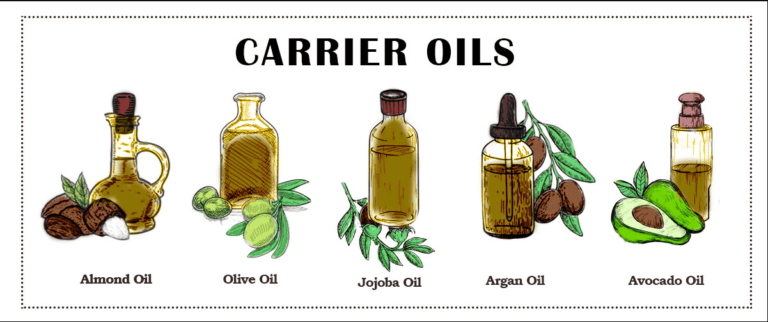
Common carrier oils include:
- Jojoba
- coconut
- Sweet almonds
- apricot
- Pregnant women should always consult their physician or homeopathic practitioner before attempting topical use.
Do not exceed dosage recommendations.
Although there are no studies showing that regular use of essential oils is dangerous, exceeding the recommended dosages can be — especially if you’re using them topically. Carefully dilute the oil.Oils that are safe.
Lavender oil
Of all the essential oils, lavender is one of the most well-researched and developed options that are widely available for use by pregnant women. Including a 2016 study, it has been shown that when used appropriately, lavender is an excellent aromatherapy treatment that promotes relaxation, especially during labor and delivery – a stressful time.A 2018 review of studies also boldly concluded that lavender eases labor pain.
Bring a portable diffuser with you to the hospital and add a few drops of pure lavender oil to set a relaxing mood. Avoid inhaling the steam directly from your diffuser as it can irritate the mucous membranes in your nose.You can also ask your labor partner to massage you with diluted lavender oil during labor.
Rose oil
Reduce anxiety, promote relaxation and get 40 winks at night.
Other oils
- Additional essential oils that have therapeutic benefits and are safe for pregnancy (after the first trimester) include:
- Bitter Almond
- argan
- Patchouli
- pomegranate
- Ginger
- Cardamom
- Fennel Seed
- Cypress
- Myrtle essential
- Frankincense
- Oils to avoid during pregnancy
The list of oils to avoid is significantly longer than the oils that are safe to use during pregnancy. But overall, this is because these oils lack enough testing and research to prove that they are safe to use while you are pregnant, even if taken according to dietary recommendations.As we mentioned earlier, the concern with many of these essential oils is that if a pregnant person consumes more than the recommended amount, there is a risk of toxicity.
Fennel Seed
- Dad
- Tulsi
- Wormwood
- rue
- Mugwort
- Oak moss
- Tarragon
- Birch
- Hyssop
- Camphor
- Parsley
- pennyroyal
- Tennessee
- Thuja
- Winter green
A good guide to essential oils during pregnancy
Although pregnancy is often one of the most beautiful times in a woman’s life, it can also be one of the most exhausting. At Young Living, we value the importance of self-care, whether it’s in the early stages of pregnancy, during the third trimester and labor, or in the difficult few weeks after birth.
In this blog, we’ll walk you through some of our favorite ways to use essential oils during pregnancy, helping you indulge in some pampering rituals and enjoy high-quality essential oils. Which are suitable for use at such a special time. Before we begin we should also note that we recommend all women consult a health professional before using essential oils and read individual labels for full ingredients during their pregnancy.
How to use essential oils during pregnancy
Manage your way through morning sickness.
Although it’s called ‘morning sickness’, we know that pregnancy sickness can often strike at any time of the day, especially in the first few months. If you’re looking for some relaxing essential oils to use during your pregnancy that can provide a pleasant and relaxing aroma during moments of sickness, we recommend fresh scents like lavender, peppermint, and ginger. Use essential oils and apply them on your body. Wrist and neckline to surround your senses with soft and soothing fragrances.
Ginger biscuits are also known to be particularly helpful in reducing pregnancy nausea and supporting digestion, so why not try adding a drop or two of ginger + essential oil to a homemade biscuit recipe, and whenever Keep them on hand for a simple snack when sick. Check out this delicious recipe for cookies with essential oils!Making biscuits with lavender, peppermint, ginger and ginger + essential oils in the kitchen
Treat your bump to a luxurious bath.
When it comes to your growing bump and changing body, keeping your skin soft, supple, and super-moisturized is a great way to make sure you stay confident and confident throughout your pregnancy. . At the end of a long day, giving yourself a spa-like bath is the perfect combination of relaxation and indulgence, while adding skin-loving essential oils to the water can help nourish your bump and A pleasant aroma may be imparted to the soak.
Some of our favorite oils for bath time include Roman chamomile, German chamomile, luxurious rose, and woody frankincense, all of which add an extra boost when paired with Epsom salts. As an additional note, make sure to keep the water temperature comfortable and not too hot, as getting your bath temperature too high can be dangerous for your growing baby.
Lift and calm your spirits during labor.
Whatever your labor experience, it’s a time of great contrast between pain, panic and pure joy. If you’re a lover of essential oils, surrounding yourself with familiar and sweet scents can help you feel calm, grounded, and even uplifted during this intense event. When you’re feeling extremely tired, turn to citrus oils like orange and tangerine for a boost of energy, and apply calming scents like cedarwood to your pulse points to help refresh your mind, body and spirit. try toCedarwood, orange, and tangerine essential oils for a woman nursing a baby bump.
Spend some time on your postpartum self.
The first few weeks, if not years, of becoming a parent are often spent caring for a baby, meaning that personal self-care rituals can become a thing of the past. After pregnancy, it’s important to try and relax when your baby does, and taking time to enjoy your favorite essential oils, even if it’s just for 10 minutes, provides a welcome release. can do.
If you’re feeling tired after sleepless nights, look to lemon essential oil for a citrus-scented glow, and if you’re feeling like your skin has seen better days, add your favorite moisturizer. Or try adding a sweet drop of ylang ylang to the body. . Butter for flower growth that will leave you feeling soft and supple.
Safety of essential oils during pregnancy
As we have already noted, when it comes to using essential oils during pregnancy, it is important to consult a health professional first. However, we do have some guidelines for essential oils that can be used while you’re pregnant, and our recommendations for oils to avoid.
Essential Oils to Try During Pregnancy
- Lavender essential oil
- Frankincense essential oil
- Eucalyptus radiata essential oil
- Patchouli essential oil
- Cedar wood essential oil
- Lemon essential oil
- Neroli essential oil
- Roman Chamomile Essential Oil
- German Chamomile Essential Oil
- Peppermint essential oil
- Ginger essential oil
- Essential Oils to Avoid During Pregnancy
- Oregano essential oil
- Cinnamon Bark Essential Oil
- Rosemary essential oil
- Jasmine essential oil
- Wintergreen essential oil
- Clary sage essential oil
takeaway
Essential oils can be a great option for alleviating some common pregnancy symptoms — like nausea — without the need for medication. They are also a great way to help reduce anxiety naturally during labor when used as part of an aromatherapy strategy.
You should always use the recommended amount of oil, and work with a certified aromatherapist or your physician before starting essential oil-based treatments when you’re pregnant.
Fight morning sickness and nausea.
- Cardamom
- Ginger
- Promote calm, relaxation, and a good night’s sleep.
- Frankincense
- German or Roman chamomile
- Lavender
- Neroli
- Petitgreen
- Rose or rosewood
- Elevate your mood.
- Geranium
- lime
- Patchouli
- Sandal wood
- Wild Orange
- Essential Oils to Avoid During Pregnancy
Given below is a list of essential oils to avoid during pregnancy. Avoid using:
- Prenatal Care Guide
- Fennel Seed
- Tulsi
- Birch
- Camphor
- Clary Sage
- Hyssop
- Mogwort
- Oak Moss
- Parle seed or leaf.
- Penny Royal
- Peppermint
- Rosemary
- cry
- Dad
- Tennessee
- Tarragon
- Thuja
- Time
- Winter green
- Wormwood
Again, it’s important to talk to your gynecologist or obstetrician about using essential oils. Each woman’s pregnancy, symptoms, and potential risk factors are unique. Your doctor should be your first resource for questions about essential oil use and other pregnancy-related questions or concerns.
Talk to your doctor.
There are many benefits to using essential oils during pregnancy, but as we’ve discussed, certain types of oils and methods of use should be handled with caution or avoided.
The Ultimate Guide to Pregnancy and Essential Oils
Strange urges, an overactive sense of smell, and a bladder that feels like it’s shrunk to the size of a pea — welcome to pregnancy! These nine months are often filled with multiple trips to the bathroom and late-night runs for random snacks, but they’re also filled with magical moments: the first ultrasound; first kick; The first in utero, Olympic-style gymnastics routine.
There may also be another first in your trimester: the first time you implement natural remedies during pregnancy. Being a doctor mom — the many hats you wear — can feel overwhelming, but with essential oils and this super guide to pregnancy, you can discover a new way to health in every drop.
Essential Oils and Pregnancy: The Basics
As a parent, having the flexibility to incorporate a range of natural remedies is key to running a smooth household. Lucky for us, essential oils can go a long way with just one drop. But before you start inundating the home with nature’s remedies, remember to follow the ABCs of essential oil safety during pregnancy:
- Ask your health care provider what is best for you and your baby.
- Brief yourself on all the guidelines in this post.
- Check the directions on the bottle label and use the oil only as directed.
A pregnant woman is holding her belly.
In general, essential oils are safe to use; However, pregnant bodies are extremely sensitive, and certain essential oils should be avoided during pregnancy and breastfeeding. A simple label check can help you determine if you should give the oil a try. If you have questions, consult your doctor for advice on the best ways to incorporate essential oils into your pregnancy journey.
Essential oils for aromatherapy during pregnancy
It’s no secret that pregnant women have sensitive noses, and there’s no rhyme or reason to the odors that can trigger morning sickness — aka “all-day sickness.” When working with a highly active sense of smell, lean into your favorite essential oils. A little aromatherapy goes a long way in fighting odor.*
Scent sensitivity. It’s one of the many downsides of pregnancy, but essential oils can help bring you back to center with just a simple breath. Add a few drops of lemon or peppermint** essential oil to a tissue or handkerchief and keep it in your pocket or purse. When the smell is overwhelming, hold the tissue and hold it over your nose. Breathe in the calming scent to kick it out with a relaxing scent.
Surround yourself with sunshine. Diffuse a blend of tea tree and lemon myrtle for a bright, clean scent reminiscent of a warm day.
Sunny Day Diffuser Blend
- 3 drops of tea tree
- 3 drops lemon myrtle
Sunny Day Diffuser Blend
Nest with the best. Mixture, it is. Clean the air while preparing the nursery with a peppermint** and ginger diffuser blend. The warm, spicy smell of ginger adds depth to the cool, minty scent of peppermint.
- Prepare the Nest Diffuser Blend.
- 3 drops peppermint
- 1 drop of ginger
Prepare the Nest diffuser blend
Escape every day. Enjoy a short break from morning sickness by infusing xiang mao, palo santo, and black pepper essential oils in your diffuser. You can pretend you’re relaxing at a ritzy resort instead of sporting sweatpants at home.
Exotic Escape Diffuser Mixture
- 2 drops Xiang Mao
- 2 drops Palo Santo
- 1 drop of black pepper
Exotic Escape diffuser blend – Young Living Lavender Life Blog
Since you may be more sensitive to smells, try diffusing a few drops of essential oil for a subtle scent. Our Prep the Nest and Exotic Escape Diffuser Blends are examples of how to scale scents for sensitive noses. Need a little more help soothing your stomach? Talk to your doctor about trying AlkaLime™.
*Oils in this section are used aromatically during pregnancy but by diluting 2-4 drops of essential oil in 15 ml of V-6™ Vegetable Oil Complex, unless otherwise indicated. , can be used topically.Use after first trimester.
Essential oils for pampering during pregnancy
A baby bump is a beautiful thing, but making it smaller takes a lot of work. When your current trimester calls for a little R&R, try one of these pampering treatments. Of course, we’re fans of continuing to exercise long after pregnancy!
Baby that bump. Give your growing belly some much needed TLC! Rub 1 drop each of frankincense and helichrysum in plenty of V-6 or coconut oil.
Take time out. Stress from the day with a relaxing soak. While bathing, add 4 drops of German Chamomile** or Northern Lights Black Spruce to the tub and take a few deep breaths.
Find your destination. Soak tired tots in a basin of warm water with ¼ cup Epsom salt and 1 drop each of lavender, lemon and ylang-ylang.
Bring the talent. Give your already shiny, thick pregnancy hair a lift. Add extra glow with a moisturizing mask made with ½ mashed avocado, 1 tablespoon olive oil, and 2 drops of cedarwood.Essential oils are a clean and easy way to add relaxation to pregnancy and maternity. While there are hundreds of essential oils on the market, the following 40 are our favorites for expectant mothers. During your pregnancy, use these oils in your diffuser, during massage, in the bath, as a belly rub, and more!
Woman holding an orange in the garden
Bergamot (Citrus aurantium bergamia)*** | Grapefruit (Citrus paradisi) | Jade Lemon (Citrus limon eureka var. forminscens) | Lemon (citrus lemon) | Lime (Sour Orantifolia)*** | Orange (Citrus aurantium dulce) | Petitgreen (Citrus aurantium amara) | Tangerine (Citrus reticulata)
Herbal Group
Kinzia (Kinzia ambigua) | Manuka (Leptospermum scoparium) | Mastrante (Lipia alba) | Melaleuca Quinquenervia (Melaleuca viridiflora) | Melissa (Melissa officinalis)
Group of flowers
Cistus (Cistus ladanifer) | Geranium (Pelargonium Gravelins) | Goldenrod (Solidago canadensis) | Lavender (Lavandula angustifolia) | Neroli (Citrus aurantium amara) | Palmarosa (Cymbopogon martini) | Ylang Ylang (Caninga odorata)
Mint plant
- Mint Group
- Spearmint (Mentha spicata)
- Muskie group
- Alemi (Canarium luzoncum) | Helichrysum (Helichrysum italicum) | Patchouli (Pogostemon Cablin) | Valerian (Valeriana officinalis) | Vetiver (Vetiveria zizanoides)
Spicy group
- Cardamom (Elettaria Cardamom) | Coriander (Coriandrum sativum)
- Woodsey Group
- Cedarwood (Cedrus atlantica) | Copaiba (Copaifera officinalis) | Cypress (Cupressus sempervirens) | Hinoki (Chamaecyparis obtusa) | Hong Kwai (Chamaecyparis formensensis) | Idaho Blue Spruce (Pacea pinginus) | Mountain Savory (Saturija montana) | Northern Lights Black Spruce (Pecia mariana) | Pine (Pinus sylvestris) | Royal Hawaiian Sandalwood (Santalum paniculatum). Sacred Sandalwood (Santalum Album) | Tsuga (Tsuga canadensis),These oils are photosensitive. Avoid direct sunlight or UV rays for 12 hours after application.
- These oils are photosensitive. Avoid direct sunlight or UV rays for 48 hours after application.
- Looking for more tips? Check out these ideas for a comfortable pregnancy. Once your little one arrives, give them a healthy start by using EOs safely in the nursery. Remember to be on the safe side when reducing essential oils for babies!
It’s no secret that pregnant women have it tough. Between the dangers of morning sickness, the hell known as heartburn, and killer cravings, pregnancy can feel more like torture than a time of joy and happiness. So, it’s no wonder that women (and their spouses) are willing to do anything to achieve a sense of relief.
Diffusing essential oils, drinking the oils or applying them directly to your body is a popular way to treat everything from headaches, nausea, anxiety, and even stretch marks. But as many moms-to-be know, there are certain things you should avoid during pregnancy, and essential oils are no different despite being organic.
Are essential oils safe during pregnancy?
When used as recommended or safely in skin care products, there are many essential oils that are perfectly safe to use during pregnancy. Although some concern has been expressed about essential oils entering the bloodstream of a pregnant mother, this can be easily avoided by following proper application methods and dilution rates.
First trimester
Although more research is needed to say for sure, most medical professionals advise against using essential oils in a diffuser or directly on the skin during your first trimester of pregnancy. In rare cases, essential oils can cause uterine contractions, which are potentially harmful in the early stages of a baby’s development.
Second and third trimesters
During the second and third trimesters of pregnancy is when most essential oils are safe to use. If you plan to switch your Tylenol to lavender oil, it’s best to make sure the oil you’re using is 100% pure, and from a reputable supplier. You should only use your oils topically, and avoid ingesting them, as this can put your fetus at serious risk. We recommend the safest use of essential oils that have already been diluted in skincare products.Essential Oils to Avoid During Pregnancy
Essential oils safe for pregnancy and breastfeeding
If you are worried about pregnancy, essential oils can help a lot and have many aromatherapy benefits. Chamomile and ginger can help soothe and calm nausea, while lavender and ylang-ylang can be used to relieve muscle pain and tension. Once you reach your second trimester, the following essential oils are safe to use in skin care products:
● Bergamot
● Roman chamomile
● Eucalyptus
● Geranium
● Ginger
● Grapefruit
● Lavender
● Lemon
● Lemongrass
● Lime
● Mandarin
● Neroli
● Patchouli
● Petitegrain
● Rose Otto
● Rosewood
● Sandalwood
● Sweet orange
● Tea tree
● Ylang ylang
On the other hand, there are certain essential oils that expectant mothers should avoid throughout their pregnancy. Some of your favorite scents may be on this list, such as cinnamon or nutmeg.
● Basil
● Birch
● Bitter almonds
● Pine wood
● Cinnamon
● Clary Baba
● Cloves
● Coriander
● Deer tongue
● Fennel
● Horseradish
● Juniper berry
● Mugwort
● Mustard
● Nutmeg
● Origanum
● Parsley
● Penny Royal
● Pine
● Rosemary
● Cotton
● Sassafras
● Sawan
● Delicious
● Tennessee
● Thyme red
● Tonka
● Wintergreen
● Wormwood
Essential oils for pregnancy
Tips for using essential oils during pregnancy
Avoid eating essential oils.
The most important rule to remember when using essential oils during pregnancy is not to ingest them orally. Although this is a point of contention for essential oil enthusiasts, we do not recommend ingesting essential oils under any circumstances, even if not expected to. It is believed that once inside the bloodstream, essential oils can be metabolized to form alternative chemical compounds that can endanger your health.
2. Use as aromatherapy
Don’t get us wrong, we know how handy a rollerball of essential oils can be to pack in your purse or diaper bag. However, if safety is a serious concern for you, it is better to use essential oils for aromatherapy. Look for body care products that contain essential oils that are already diluted. You’ll get the aromatherapy benefits of essential oils without the safety concerns.
3. Dilute your oils.
As mentioned earlier, it is recommended that you only use essential oils that are basic and properly diluted. You can do this by purchasing essential oil-based skincare or by diluting the oil in a carrier oil. Carrier oils are other naturally derived oils that do the exact same job as delivering oils safely to your skin. If you are diluting the oils yourself, make sure you check the recommended dilution percentage to use your essential oils safely. Some examples of carrier oils that can be safely mixed with essential oils are:
● Almond oil
● Apricot oil
● Argan oil
● Avocado oil
● Black seeds