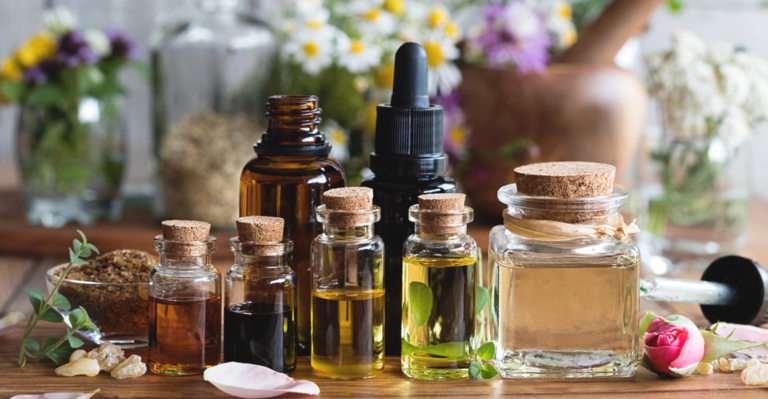
Things you should know about Carrier & Veg Oils:
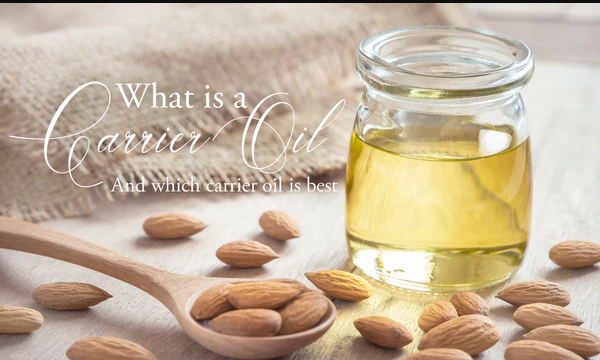
What are carrier oils?
Carrier oil is a vegetable oil obtained from the fatty parts of plants, usually seeds, kernels or nuts.
Essential oils, absolutes, CO2s and other concentrated fragrances can cause severe irritation, sensitivity, redness or irritation or other reactions if applied to unpigmented skin. Carrier oils are used to dilute essential and other oils before topical application (it is important to ensure that the essential oil is properly diluted). The term carrier oil is derived from their purpose of transporting essential oils to the skin. Aloe vera gel and unscented body lotion are also commonly used as “carriers”. However, for the scope of this article, we will focus on using natural vegetable oils as a carrier.
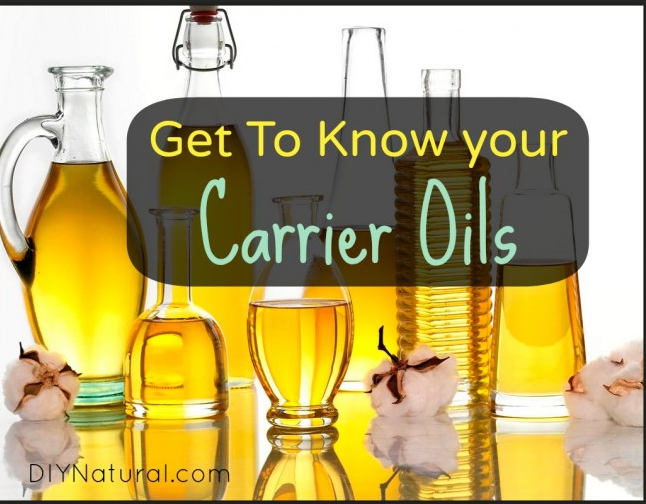
Each carrier oil offers a different combination of properties and characteristics. The choice of carrier oil may depend on the benefit being sought.
Natural lotions, creams, body oils, bath oils, lip balms and other moisturizing skin care products are also made using vegetable (carrier) oils. From a simple essential oil/carrier oil blend to a more complex natural lotion, your choice of carrier oil can make a difference in the properties, color, overall aroma and shelf life of your final product.
Essential oils & carrier oils
Essential oils are distilled from leaves, bark, roots and other aromatic parts of plants. Essential oils evaporate and have a concentrated aroma. Carrier oils, on the other hand, are pressed from the fatty parts (seeds, nuts, kernels) and do not evaporate or smell like essential oils. Carrier oils can go bad over time, but essential oils don’t. Instead, essential oils “oxidize” and lose their therapeutic benefits, but they don’t go rancid.
Vegetable oils are also called carrier oils or base oils.
The term carrier oil is generally limited to use within the practice of aromatherapy. In natural skin care, carrier oils are commonly referred to as vegetable oils, fixed oils or base oils. Not all fixed oils/base oils are vegetable oils. Emu oil (from the emu bird) and fish (sea) oil are also classified as fixed/base oils, but these animal-based oils are not commonly used for aromatherapy work.
After reading this article, be sure to check out AromaWeb’s Guide to Carrier Oils to see the profiles and properties of many carrier oils used in aromatherapy and skin/hair care.
Carrier oil fragrance
Some carrier oils are odorless, but in general, most have a mildly sweet, nutty scent. If you get a carrier oil that has a strong, bitter smell, the carrier oil may have gone dirty, but some carriers like neem or tamanu are very strong. See the Carrier Oil and Rancidity section of this article for information on rancidity.
Examples of vegetable oils commonly used as carrier oils in aromatherapy include:
- Almond oil
- Apricot Oil
- Avocado oil
- Borage seed oil
- Camellia Seed Oil (Tea Oil)
- Coconut oil, fractionated
- Coconut oil, virgin
- Cranberry seed oil
- Evening Primrose Oil
- Grape seed oil
- Hazelnut oil
- Hemp seed oil
- Jojoba
- Cocoa Nut Oil
- Macadamia nut oil
- Meadowfoam oil
- Olive Oil
- Peanut oil
- Pecan oil
- Pomegranate seed oil
- Rose hip oil
- Sea buckthorn berry oil
- Sesame oil
- Sunflower oil
- Watermelon seed oil
- Shopping for carrier oil
Trends are changing, but most common vegetable oils sold in grocery stores are not refrigerated. Instead, the oil is processed using heat. For the most nourishing, freshest carrier oils, try shopping at retailers and suppliers that specialize in selling aromatherapy or natural skin care ingredients. Your local health food/nutrition store may be a source of carrier oils, but oils can often be pricey. Watch out for dust on bottles when buying oil locally. This may indicate that the oil has been sitting for a while. Look for oils that are not a blend of two or more oils and contain no additives.
Method of processing
Purchase carrier oils that are cold-pressed or cold-pressed. This indicates that the oil has been pressed from the fatty parts of the botanical without the use of additional heat. The process can still generate heat due to the friction of the process, but cold-extraction pressed oils are processed under conditions that keep heat to a minimum. Oils that simply state that the exhaust has been pressed have not been processed to maintain a low heat level. When the oil is processed without cold conditions, the degree of high temperature and duration of the processing procedure can damage the critical nutrients in the oil.
Nutrients
Carrier oils can contain fat-soluble vitamins, minerals, and other nutrients. Sea buckthorn berry oil, for example, has such a high proportion of beta-carotene that the oil is orange in color and the most vivid of the oils.
Oils that naturally contain tocopherols (fatty acids that our bodies cannot produce and need to obtain from our diet. When applied topically, they are very nourishing to our skin. Carrier oils vary in their ratios and the specific EFAs they contain. EFAs are beneficial for the skin, but they can also make an oil more fragile and prone to irritation. See the Essential Fatty Acids article for more information.
Price
The price of a carrier oil can vary greatly based on several factors: the plant it’s made from, how it’s processed, if it’s organic, the quantity you’re buying, and the source. You are buying it.
Organic
Organic carrier oils are generally more expensive than conventional oils. When purchasing an organic carrier oil, verify if the oil is certified organic.
Color
Color doesn’t always matter when choosing a carrier oil for simple recipes, but it does matter if you’re making more elaborate recipes where the color of your final product is important to you.
Smell
The aroma of some carrier oils may compete or conflict with the aroma of the essential oils in your desired blend.
Viscosity: Viscosity is a measure of a liquid’s resistance to motion and flow. For my purposes of comparing carrier oils, I keep things simple by describing them as “thin”, “medium” or “thick” viscosity.
Absorption/Feeling
This is a subjective assessment of how well and quickly the oil penetrates the skin, and if it makes the skin feel oily after application.
Shelf life
Carrier oils vary in how long they last before oxidizing and rancid. When purchasing a carrier oil, estimate the amount of oil you think you will use over the life of the oil. See the Carrier Oils and Rancidity section of this article for information on shelf life and rancidity.
Avoid mineral oil.
Mineral oil and petroleum jelly are by-products of petroleum production. They are not of natural, botanical origin and are not used within the scope of holistic aromatherapy. Mineral oil is used in baby oils and many commercially available moisturizers because it is an inexpensive oil to produce. However, it can clog pores, prevent the skin from breathing naturally, prevent the absorption of essential oils, prevent toxins from leaving the body through the natural process of sweating, and have read reports that it can block vitamins from being absorbed into the body. . Used correctly. The same concerns apply to petroleum jelly.
Storage carrier oil
For delicate carrier oils or those that you will keep for a long time, store them in dark glass bottles with tight-fitting tops, and store them in a cool, dark place. Round amber or cobalt Boston bottles are ideal.
If you’re going to be using an oil before it’s aged, there’s really no need to transfer it to a dark glass. When you buy carrier oil, the supplier may have packaged it in a plastic (PET/HDPE) bottle. This does not mean that the oil is inferior. Most suppliers use plastic bottles to save on packaging and shipping costs and because many consumers use the oil immediately after purchase. Unlike essential oils which should always be stored in glass (essential oils can dissolve plastic), carrier oils can be stored in plastic.
Most carrier oils can be stored in the refrigerator, and this can help prolong the shelf life of delicate oils like borage seed oil. Avocado oil, however, should not be stored in the refrigerator. Oil stored in the refrigerator may be solid or cloudy and will need time to return to room temperature before use.
Carrier oil and rancidity
Essential oils do not go bad. However, carrier oils become impure over time. The level of natural fatty acids, tocopherols, extraction method and other properties of the oil can all affect how quickly the oil goes bad. If you notice a carrier oil that has a strong, bitter smell, the carrier oil may have gone rancid. If you can, compare the scent of the oil you suspect to the same botanical oil that you know is fresh.
The carrier oil you buy should be natural and unadulterated. Exceptions include purchasing a carrier oil that contains natural vitamin E. Vitamin E, often listed as tocopherols, acts as a natural preservative.
Vegetable butter and other ingredients as carriers
Vegetable butters are not carrier oils, but the beneficial properties of vegetable butters such as cocoa butter and shea butter make them suitable lipids for use in aromatherapy.
Vegetable butters are similar to vegetable oils but are solid at room temperature. Vegetable butter is processed in a variety of ways, so it is especially important to check the extraction method when shopping for butter. Try using cold-pressed butter.
Carrier oil and diffuser
I am sometimes asked about using a carrier oil when diffusing essential oils. Carrier oils are generally not necessary when using most types of nebulizers and diffusers. Check the instructions that come with your diffuser or contact the manufacturer for usage instructions.
Carrier oil profiles
Visit AromaWeb’s Guide to Carrier Oils to see the profiles and properties of 24 carrier oils used in aromatherapy and skin/hair care.
Carrier Oil Suppliers
AromaWeb’s Business Plaza provides a helpfully curated directory of sellers of carrier oils and other aromatherapy products.
Carrier oil
Properties and profiles
Carrier oils, also called vegetable oils, base oils or fixed oils, are used to dilute essential oils, CO2s and absolutes before applying to the skin.
Carrier Oil Information
What are essential fatty acids?
Carrier oils that are rich in essential fatty acids (EFAs) are especially nourishing for the skin.
List of fatty and essential fatty acids commonly found in carrier oils.
This page provides a classified list of fatty and essential fatty acids.
What are infused oils?
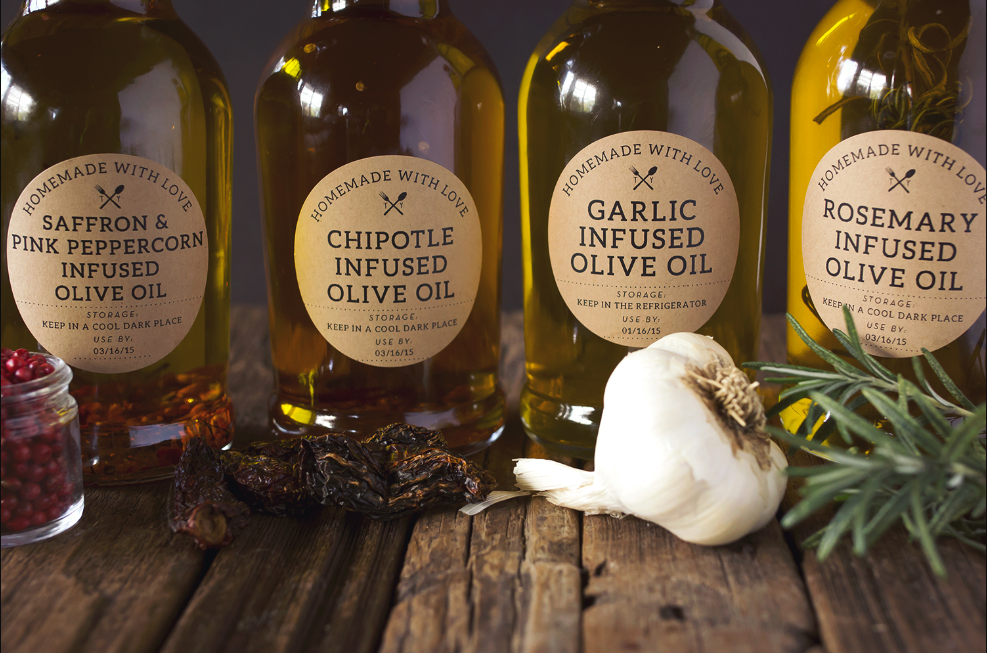
An infused oil consists of a carrier oil infused with one or more herbs. The advantage of using an infused oil as opposed to a simple carrier oil is that the infused oil will have the healing properties of both the carrier oil and the herbs that were infused into the oil.
Mineral oil is not a suitable carrier oil for essential oils.
Learn why mineral oil is not a suitable carrier oil for holistic aromatherapy and topical use of essential oils.
- Carrier oil profiles
- Almond oil, sweetened
- Apricot Oil
- Avocado oil
- Black cumin seed oil
- Borage seed oil
- Calendula infused oil
- Camellia seed oil
- Cranberry seed oil
- Coconut oil, fractionated
- Coconut oil, virgin
- Evening Primrose Oil
- Grape seed oil
- Hazelnut oil
- Hemp seed oil
- Jojoba oil
- Cocoa Nut Oil
- Macadamia nut oil
- Meadowfoam oil
- Olive oil, virgin
- Peanut oil
- Pecan oil
- Pomegranate seed oil
- Rose hip oil
- Sea buckthorn berry oil
- Sesame oil
- Sunflower oil
- Tamarind oil
- Watermelon seed oil
Vegetable butter profiles
Vegetable butters are stronger in texture than fluid carrier oils. See What Are Carrier Oils? Article for general information about vegetable butter.
- Cocoa butter
- Shea Butter
- Virgin coconut oil
Profiles of other types of carriers for reducing essential oils
- Aloe Vera Jelly
- Unscented lotion
- Essential oil profiles
Visit AromaWeb’s Essential Oil Profiles area to view detailed essential oil profiles for over 130 essential oils, CO2s and absolutes.
Important information
The information provided on Aroma Web is for educational purposes only. This data is not considered complete and is not guaranteed to be correct.
How to use carrier oils
What are carrier oils?
Carrier oils and essential oils are made from plants. Carrier oils are used to dilute essential oils and carry them to your skin. This is because essential oils are potent and can cause irritation when applied directly to your skin.
Most carrier oils are unscented or lightly scented and do not interfere with the healing properties of essential oils. They can be used alone or with other oils to nourish your skin.
Keep reading to learn more about choosing the right carrier oil, some of the different carrier oils available, and more.
How to Choose the Carrier Oil You Need
There are many carrier oils available. Most are suitable for use with any essential oil, but there are a few things you should consider before choosing one.
Think about it
- Odor: Some carrier oils have a distinct odor. When added to essential oils, it can change the aroma.
- Absorption: Your skin may absorb some carrier oils better than others.
- Skin type: Depending on your skin type, some oils can irritate the skin or worsen skin conditions such as acne.
- Shelf Life: Some carrier oils can be stored longer than others without spoiling.
The US Food and Drug Administration does not regulate carrier oils labeled for use as cosmetics. However, they regulate edible cooking oils that can serve double duty as carrier oils.
You should only buy a therapeutic grade carrier oil from a manufacturer you trust. Look for oils that are cold-pressed, 100 percent pure, and additive- or preservative-free. If you want to use cooking oil as a carrier oil, choose cold-pressed, organic varieties.
The following list includes popular carrier oils that are used to dilute essential oils in aromatherapy, massage and skin care. The list is not exhaustive, but it is a good place to start.
1. Coconut oil
Coconut oil is an edible oil made from mature coconut flesh. It is available in refined or unrefined varieties.
Unrefined coconut oil comes from fresh coconut meat. It is not processed with chemicals and retains its coconut aroma and taste.
Refined coconut oil comes from the flesh of the dried coconut, also known as copra. It is bleached and deodorized to remove contaminants as well as the distinctive aroma and taste of coconut. Refined coconut is not completely natural and is not recommended for use as a carrier oil.
Uses: Coconut oil contains skin-nourishing fatty acids and polyphenols, making it an excellent carrier oil for massage oils and skin care preparations.
2. Jojoba oil
Jojoba oil comes from the seeds of the jojoba plant. It has a delicate, nutty scent. Technically, jojoba is not an oil, but a wax with powerful moisturizing properties. It closely mimics the skin’s natural oil, sebum.
Using jojoba oil can help reduce skin oil production in people with acne and trick the skin into thinking it’s producing enough oil.
Usage: Jojoba oil is easily absorbed into the skin and does not clog pores. This makes it a good carrier oil option for massage oils, facial moisturizers and bath oils.
3. Apricot kernel oil
Apricot kernel oil is made from apricot seeds, also known as kernels. It is an emollient oil that is high in fatty acids and vitamin E. It absorbs easily into the skin and has a slightly sweet, nutty scent. You can buy edible apricot oil, or buy apricot oil for cosmetic use only.
Uses: Apricot kernel oil is believed to help soothe and calm irritated, itchy skin. Use it as a carrier oil to make massage oils, bath oils, and hair care products.
4. Sweet almond oil
Sweet almond oil has a strong, nutty aroma. It is an edible oil made from the kernel of sweet almonds. The oil is lightweight and easily absorbed, and is an excellent moisturizer for dry skin.
It is also used in general aromatherapy, but its strong scent can mask the aroma of essential oils.
Uses: Sweet almond oil is one of the most popular carrier oils for skin care. It is great in massage oils, bath oils and soaps.
5. Olive oil
Olive oil comes from pressed olives. It is known as a healthy, edible oil with a fruity aroma, but is also used as a carrier oil in aromatherapy.
Extra virgin olive oil is the preferred type for aromatherapy and skin care preparations. The aroma of olive oil can interfere with the aroma of some essential oils.
Uses: It is packed with fatty acids and plant sterols, making it perfect for cleansing and moisturizing dry skin. Use olive oil as a carrier oil for massages, facials, hair care and household soaps.
6. Argan oil
Argan oil Both shrub s look different from traditional roses. When these flowers die and drop their petals, the rosehip is left behind. Rose oil is pressed from rose oil.
Although rose oil does not smell like roses. It has a nutty aroma.
Uses: Rose oil is high in vitamin A and C. Vitamin A is a natural retinoid that helps fight aging, and both vitamins can help reverse the effects of the sun on your skin. Use it as a carrier oil for dry skin treatments, massage oils and moisturizers.
8. Black seed oil
Black seed oil is made from the Nigella sativa plant. Although it is less known than other carrier oils, it is a reliable source rich in unsaturated and saturated fatty acids. It is also thought to have anti-inflammatory properties.
Uses: Black seed oil is often used as a folk remedy to treat skin conditions including eczema, acne and psoriasis. With this in mind, it’s a great choice for facials, massage oils, and general skin care.
9. Grape seed oil
Grapeseed oil comes from grape seeds. It is a by-product of the brewing process. It’s rich in vitamin E, a nutrient for healing skin and reducing wrinkles, although scientific research is conflicting.
Uses: Grapeseed oil is light, easily absorbed by the skin, and has a neutral scent. It is a good carrier oil to use with essential oils to make body oils and massage oils.
10. Avocado oil
Avocado oil is a heavy, thick, edible oil made from the avocado fruit. It has a nutty aroma.
Avocado oil is high in oleic acid, a monounsaturated fatty acid that helps dry, damaged skin.
Uses: It can be a good carrier oil for dry skin treatments and body creams – as long as you’re dealing with acne. Avocado oil can increase sebum production, so if you have acne-prone skin, consult your dermatologist before use.
11. Sunflower oil
Sunflower oil is an edible oil extracted from sunflower seeds. It has a neutral smell.
The oil is said to act as a skin barrier against toxins and germs that cause infections, making it a great choice for irritated skin.
Uses: It is thought to help soften the skin, moisturize the skin and reduce irritation, so add this carrier oil to your massage oil or use for general skin care.
How to Mix Carrier Oils with Essential Oils
Whenever possible, buy organic, cold-pressed carrier oils from a manufacturer you trust. Although most carrier oils do not cause allergic reactions, you should always do a patch test before using.
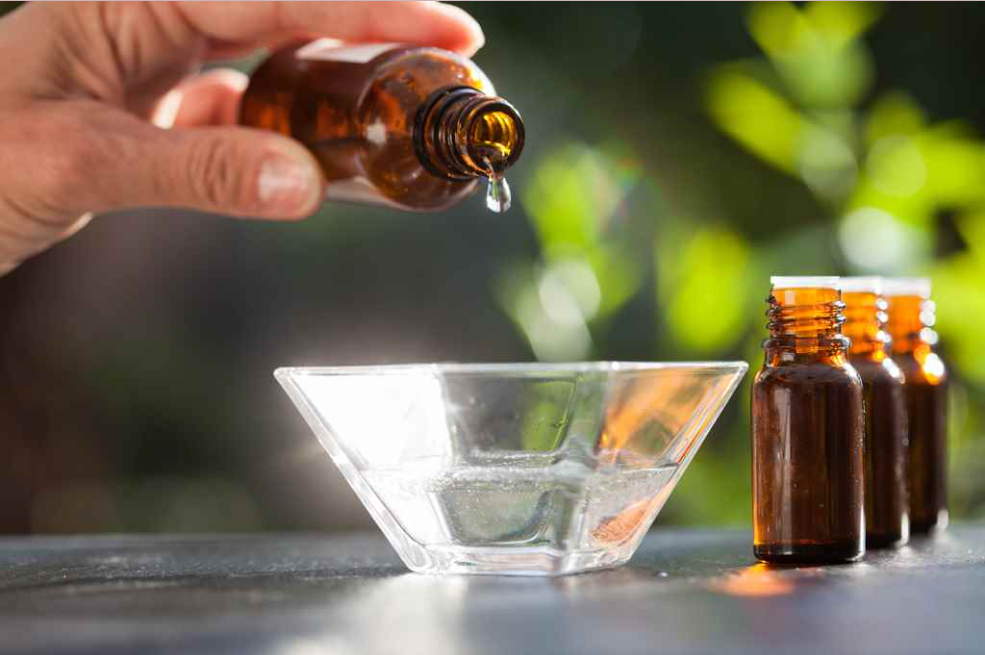
Although research shows that there are health benefits, the FDA does not monitor or regulate the purity or quality of essential oils. Before starting to use essential oils, it’s important to talk to a healthcare professional and be sure to research the brand’s product quality. Always do a patch test before trying a new essential oil.
To test the patch:
Add a small amount of carrier oil to the inside of your wrist or just below your ear.
Cover the oil with a bandage.
Check the area again after 24 hours.
If irritation occurs, rinse thoroughly, and avoid future use.
If you are allergic to tree nuts, you should not use oil derived from tree nuts. It contains sweet almond oil, argan oil, and apricot kernel oil.
When diluting essential oils with a carrier oil, it is important to follow these guidelines.
For adults:
- 2.5% dilution: 15 drops of essential oil per 6 tablespoons of carrier oil
- 3 percent dilution: 20 drops of essential oil per 6 tablespoons of carrier oil
- 5% dilution: 30 drops of essential oil per 6 tablespoons of carrier oil
- 10% dilution: 60 drops of essential oil per 6 tablespoons of carrier oil
For children:
- 0.5 to 1 percent dilution: 3 to 6 drops of essential oil per 6 tablespoons of carrier oil
- Always store carrier oils in a cool, dark place, preferably in the refrigerator. You should also keep them in a dark glass bottle.
Although research shows that there are health benefits, the FDA does not monitor or regulate the purity or quality of essential oils. Before starting to use essential oils, it’s important to talk to a healthcare professional and be sure to research the brand’s product quality. Always do a patch test before trying a new essential oil.
The bottom line
Carrier oils make it possible to use essential oils safely. They also help nourish and moisturize your skin. Not all oils make good carrier oils though. You should avoid using things like butter, petroleum jelly and mineral oil.
Whatever oil you choose, avoid using it on your lips, eyes, or other sensitive areas after mixing it with an essential oil. However, you can safely apply only carrier oil to these areas.
7 Best Massage Oils
There are hundreds of massage oils to choose from, so we base our selections on research from certified massage therapists, physical therapists, and aromatherapists, reviews of best-selling oils, and specific ingredients.
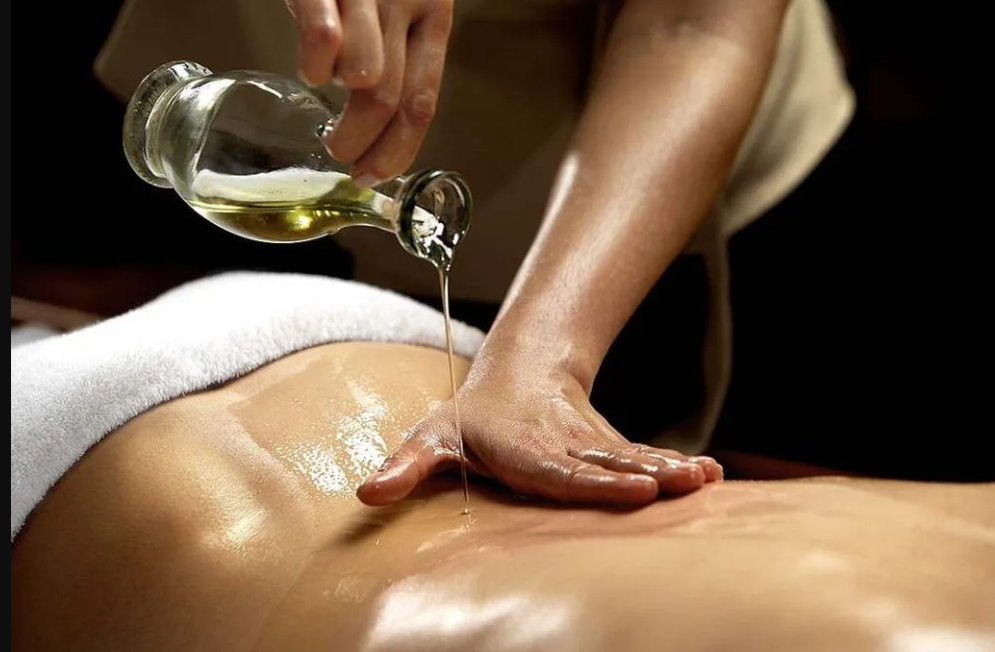
If you want to make your own with carrier oils and your favorite essential oils, we’ve got you covered, too.
Professional massage therapists have a lot of experience with massage oils, and they have personal preferences. We’ll start with our top three picks based on their recommendations.
Biotone Muscle and Joint Relief Therapeutic Massage Gel
Massage therapist Cynthia Parsons, LMT, prefers to use gels instead of oils. “Jail gives you a glide,” he said.
Parsons’ favorite brand is Biotone. She buys Biotone Muscle and Joint Relief Therapeutic Massage Gel by the gallon. “It costs about $80, but it lasts 10 years, it’s all natural, and it’s not messy,” she said.
For some clients, she adds lavender oil to the gel for relaxation.
Parsons also notes that she often massages without any gels or oils.
Pros
- The Biotone product line includes carrier oils with various essential oils.
- All ingredients are clearly listed.
- It is a brand used by professionals, and has excellent ratings.
Cons
- The number of oil combinations can be staggering.
- Opened products cannot be returned, unless they are damaged.
Invivo Essential Fractionated Coconut Oil
Nessa Hanger, MA, LMT, a massage therapist who founded an institute promoting the science of essential oils, said her “absolute favorite carrier oil is fractionated coconut oil.”
Some of the fat in this type of coconut oil has been removed through a process called fractionation.
Invivo products are therapeutic grade coconut oil in an ultraviolet (UV) protected plastic bottle.
Pros
- It is odorless.
- It is designed not to stain the fabric.
- It also comes with a free pump and dilution guide so you can add essential oils.
Cons
- Some users have reported that the pump leaks and the product is wasted.
- Not a complete ingredient list.
Many other oils can provide similar benefits. “I’ve also used almond [oil], which works fine, although it has a shorter shelf life, and jojoba, which is a little thicker and has a smell that I don’t really like,” Hanger said. She uses jojoba oil for foot massages, where its thickness helps.
Free Up Professional Massage Cream
Physical therapist Jody Coluccini, PT DPT, prefers FreeUp Professional Massage Cream.
“The product is unscented, the texture is creamy and light, and it glides easily and without friction or tightness on the skin,” Coluccini said. “This allows for a good tactile perception or ‘feel’ of superficial and deep muscle and facial tension for various massage and release techniques.”
She added, “Since it doesn’t absorb easily into the skin, there is little need for re-application during the session. My understanding is that the product also does not contain wax or vegetable oil, thus the potential Exposure to allergens is reduced.”
Pros
- It is highly recommended by professional physicians and other users.
- This unscented cream is hypoallergenic.
- It is bacteriostatic, meaning it prevents bacteria from reproducing.
- It is made without wax or nut oil.
- It absorbs slowly, so you don’t need to use a lot.
Cons
- Ingredients are not listed on the purchase links.
- The main ingredient is petrolatum, which is derived from petroleum.
The best massage oil for babies
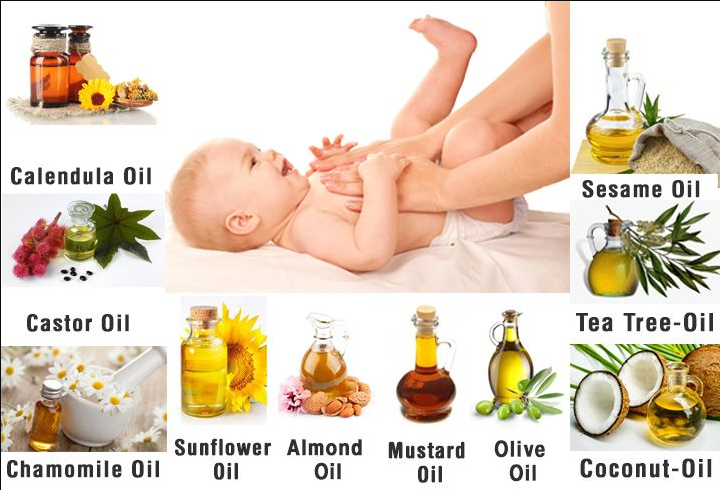
Apply Guru Cold Pressed Sunflower Oil.
According to one study, pure sunflower oil — not the cooking kind found in supermarkets — is recommended for baby massage.
Pros
- Pure sunflower oil is a carrier oil that can be mixed with essential oils if desired, or used on its own.
- It is odorless and colorless.
Cons
- Some people find that sunflower oil has a greasy feel.
Best massage oil for sore muscles
Majestic Pure Sour Muscle Massage Oil
This massage oil has sweet almond oil as a base and is infused with essential oils of arnica, chamomile, peppermint, grapefruit, and lavender.
Pros
- This is a blended oil with the best ratings by authentic users on Amazon.
- It is completely natural and cruelty free.
- Returns are allowed if the product does not work for you.
Cons
- Some people may be allergic to one or more of the ingredients.
- Note that arnica is widely thought to have pain-relieving effects, but studies are limited and show mixed results.
Natural Virgin Cannabis Hemp Oil
This hemp oil from Zatoral is made from cold pressed hemp seeds.
Pros
- Hundreds of customer reviews rave about the oil’s pain relief as a massage oil for arthritis, neuropathy, and other conditions that cause chronic pain. However, the oil did not work well for all consumers.
- The oil is manufactured to food grade standards.
- It can be used on pets.
- The oil has a 30-day return policy.
Cons
- The oil does not contain cannabidiol (CBD), if that’s what you’re looking for.
- It was not effective for pain management for some people.
Other Sport Massage Oil by Young living
This oil uses many vegetable carrier oils, including fractionated coconut oil, wheat germ oil, grapeseed oil, olive oil, and almond oil.
Essential oils used include peppermint, vetiver, red thyme, wintergreen, aloe, oregano, lemongrass, and eucalyptus.
Pros
- This oil is designed for professional and amateur athletes to use after exercise, and it creates a warming sensation.
- It is highly rated by users.
- The product can be returned to Amazon within 30 days.
- Young Living is a well-known brand used by professionals, and is one of the largest suppliers of essential oils.
- Young Living lists some essential oils as therapeutic grade or organically grown.
Cons
- It is more expensive than other massage oils.
- It does not provide a source of ingredients.
- A couple of reviewers complained about its smell.
How to choose a massage oil
Oil Massage Fast Facts
Commercial massage oils are a combination of carrier oil and essential oil.
Carrier oils are often plant-based, made from seeds and nuts. Some of the most common include sweet almonds, cold-pressed coconut, grape seed, jojoba, and olive oil.
Essential oils are steam distilled or extracted from aromatic leaves, flowers and other plant parts.
The percentage of essential oil to carrier oil can vary from 2 percent to 10 percent.
Professional massage therapists use different products for different purposes. When choosing a massage oil, think about what you want the oil to do and the properties of each ingredient.
When it comes to essential oils, it’s important to rely on evidence and not hype or fads.
Aromatherapist Tanya Coulson Saneff recommends that you consult with an experienced aromatherapist about which oils to use for specific therapeutic purposes.
Here are some considerations:
To soothe sore muscles and joints
Many carrier oils, gels, and creams are effective for massaging sore muscles and joints.
A 2018 study found that a combination of carrier oils including sweet almond, grape seed, avocado, jojoba and macadamia oils were helpful.
The same study compared carrier oil with these essential oils:
- Rosemary
- Lavender
- Patchouli
- Eucalyptus
- Peppermint
For relaxation
Lavender oil tops the list, with evidence that it is beneficial in promoting relaxation. Studies are underway to test its therapeutic effects for the treatment of neurological conditions.
Many other essential oils can be effective for calming, including:
- Chamomile
- Marjoram
- Tulsi
- Bergamot
- Geranium
- Rosemary
- Sandal wood
To promote circulation in your hands or feet
Hanger recommends mixing cypress, ginger, and peppermint oils with a carrier oil to promote circulation. These oils stimulate circulation by dilating blood vessels. She recommends using small amounts of these oils, not too much.
For pain management
Studies of certain essential oils have shown that they can help relieve pain by numbing or warming the area or reducing inflammation.
A 2016 Trusted Source study found that massage with any of these oils is effective in reducing pain:
- Ginger
- Lavender
- Rosemary
- Peppermint
According to a 2013 study, the following ingredients may also be effective for pain relief:
- German Chamomile Oil
- Lemongrass
- Black paper
Studies have also found that massaging with these oils can help relieve pain:
- Lavender oil is a reliable source
- Warm castor oil
- Frangipani Oil Trusted Source (Plumeria)
To moisturize the skin
Many carrier oils and essential oils can help moisturize your skin. A 2010 study found that reliable sources of herbal products for moisturizing include:
- Aloe vera
- Grape seed oil
- Almond oil
- Olive Oil
- Wheat germ
- Sandal wood
- Cucumber extract
How to make a purchase
Here are some other things to consider when choosing a massage oil:
- Quality Buy from a reputable company to ensure you are getting pure products without unwanted additives. Remember that filtered oil is better.
- Allergies If you are allergic to nuts or certain fragrances, see the ingredients list. Some people may be allergic to coconut oil, which is often used as a carrier, or other tree nut oils.
- Costs. Check the price of massage oil per ounce. If you plan to use the product frequently, consider purchasing from a massage therapist supplier. In some cases, a larger size may be more economical.
- Truth in advertising. Be wary of claims that sound too good to be true. If in doubt, consult the National Center for Complementary and Integrative Health. This government agency has a list of herbs, trusted sources, and botanicals with information on claims, precautions, and side effects.
- Manufacturing concerns. Look at the country of origin, how the products are grown, and how the final product is made. Some products are labeled “cruelty-free.”
- Shelf life. Some products can become dirty over time. Carrier oils can oxidize when exposed to heat, light, and air. Some essential oils can also go rancid and cause irritation. Pay attention to the oil’s expiration date, and store it as directed.
- Grease. Some ingredients may make you feel greasy. In addition, they can not easily wash out of clothes. Olive oil and apricot kernel oil can stain.
Tips for use
- Test a small amount of oil on your arm before use. This is important if you are concerned about allergies. You can find a store that has samples you can try before you buy.
- Do not apply oil near your eyes. Massage therapist Parsons warns that if you have an adverse reaction, you should stop using the oil. “Listen to your body,” Parsons said.
- If you are looking for an essential oil to target a specific condition, consult an experienced professional. Essential oils are not a cure or a one-size-fits-all approach.
- Use pure oil. It is possible that pesticides on the actual plants used to make the oil On
- Buy from a reputable manufacturer. And be sure to check reviews for potential issues.
- Follow the dilution instructions for each oil. Essential oils are highly concentrated and can irritate your skin if not properly diluted.
- Pay attention to the expiration date. Some oils have a shorter shelf life than others.
Take away
The wide variety of massage oil products can make it very confusing to choose one. Start with what you want the product to do and what your personal preferences are. This will help you narrow down the possibilities.
Check the ingredients of the product before buying. Massage oils are a highly individual product, and what’s popular on the Internet may not be right for you.
It’s a good bet to go with something recommended by professionals who use the product every day.