Do essential oil diffusers actually work
Essential oils have been getting a lot of buzz lately for helping with everything from headaches to sleep to sore throats. But do these concentrated plant-based oils work?

Essential oils can have a positive effect on your health and well-being as long as you use them safely.
Want to try essential oils? Learn what conditions they can help treat and how to find quality essential oils, as not all products are created equal.
What are essential oils?
Essential oils are basically plant extracts. They are made by steaming or pressing various plant parts (flowers, bark, leaves or fruit) to capture the aroma-producing compounds. It can take several pounds of the plant to produce one bottle of essential oil. In addition to creating fragrance, essential oils perform other functions in plants.
What is aromatherapy?
Aromatherapy is the practice of using essential oils for therapeutic benefit. Aromatherapy has been used for centuries. When inhaled, the aroma molecules in essential oils travel directly from the olfactory nerve to the brain and specifically affect the amygdala, the emotional center of the brain.

Essential oils can also be absorbed through the skin. A massage therapist may add a drop or two of wintergreen to the oil to help relax tight muscles during a rubdown. A skin care company can add lavender to bath salts for soothing absorption.
What are essential oils good for?
Although people claim that essential oils are natural remedies for many ailments, there is not enough research to determine their effectiveness in human health. Results from lab studies are promising — one from Johns Hopkins found that some essential oils can kill a type of Lyme bacteria better than antibiotics — but results from human clinical trials have been mixed.
Some studies show benefits from using essential oils while others show no improvement in symptoms. Clinical trials have looked at whether essential oils can reduce conditions such as:
- restlessness
- Mental stress
- Nausea
- Insomnia
- Less appetite
- dry mouth
How can you use essential oils safely?
The quality of essential oils on the market varies greatly, from pure essential oils to dilutions with less expensive ingredients. And since there’s no regulation, the label can’t even list everything you’re buying in a bottle. Therefore, essential oils should not be consumed.
Johns Hopkins also advises against using essential oil diffusers, small household devices that produce aromatic vapors. Spread in a public area or in a multi-member household can affect people differently. For example, peppermint is often prescribed for headaches. But if you use it around a baby who is less than 30 months old, the baby may become agitated. This can have a negative effect. Additionally, someone with a fast heart rate may react negatively to peppermint. Some of the safest ways to use essential oils include:
- Aromatherapy accessories: necklaces, bracelets and key chains made of absorbent material that you put essential oils on and smell throughout the day.
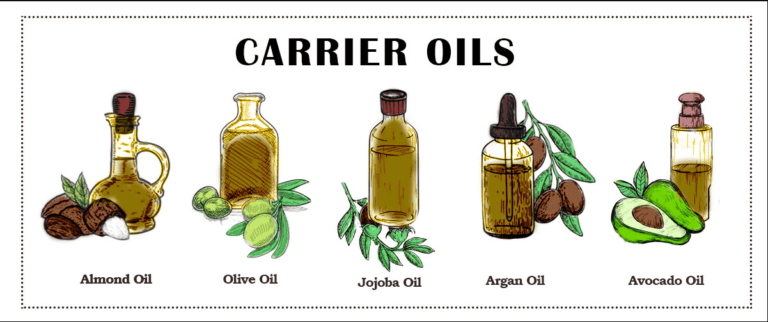
- Body Oil: A blend of essential oils with a carrier oil such as olive, jojoba or coconut oil that can be massaged into the skin. Because essential oils are concentrated, they can cause irritation. Avoid using them at full strength on the skin.
- Aroma sticks: Also called essential oil inhalers, these portable plastic sticks contain an absorbent bulb that soaks up essential oils. They come with a cover to keep the scent under wraps until you’re ready.
Allergic reactions to essential oils
A small number of people may experience irritation or allergic reactions to certain essential oils. You are more likely to have a bad reaction if you have atopic dermatitis or a history of reactions to topical products. Although you can experience a reaction to any essential oil, some are more likely to cause problems, including:
- Oil of oregano
- Cinnamon Bark Oil
- Jasmine oil
- Lemongrass oil
- Ylang-ylang oil
- Chamomile oil
- Bergamot oil
- Because pure essential oils are potent, diluting them in a carrier oil is the best way to avoid adverse reactions when applied directly to the skin. If you develop a red, itchy rash or hives after applying essential oils, see a doctor. You may have an allergic reaction.
Which essential oils are the best?
- There are dozens of essential oils, all with different scents and chemical makeups. Which essential oils are best depends on the symptoms you want to alleviate or the scents you prefer. Some popular essential oils include:
- Lavender Oil: Many people find the scent of lavender relaxing. It is often used to relieve stress and anxiety and promote good sleep.
- Tea Tree Oil: Also known as Melaleuca, this essential oil was used by indigenous people of Australia to heal wounds. Today, it is commonly used for acne, athlete’s foot and insect bites.
- Peppermint Oil: There is some evidence that peppermint essential oil helps relieve symptoms of irritable bowel syndrome (IBS) when taken in enteric-coated capsules (from a trusted health supplement provider). It can also relieve tension headaches when applied topically.
- Lemon Oil: Many people find the citrusy scent of lemon oil to be a mood booster. It is also often used in household cleaning products.
- How to find quality essential oils
- The most important thing to consider when shopping for essential oils is the quality of the product. But it’s hard to know which oil is the best, because there is no government agency in the U.S. that provides a rating system or certification for essential oils. A big problem? Many companies claim that their essential oils are “therapeutic grade,” but that’s just a marketing term.
Unfortunately, there are many products you can find online or in stores that are not properly harvested or may contain ingredients that are not listed on the label.
Here are some tips to help you shop for pure essential oils:
- See the label: This should include the plant’s Latin name, information about purity or other ingredients, and the country in which the plant was grown.
- Evaluate the company: Buy products from a well-known and reputable aromatherapy company that has been around for many years.
- Choose dark-colored, glass containers: Pure essential oils are highly concentrated. They can dissolve plastic bottles over time, tainting the oil. Most companies package essential oils in small brown or blue glass bottles to protect quality.
- Avoid “fragrance oils”: Fragrance or perfume oils are made from essential oils that are mixed with chemicals or chemicals entirely. They are not suitable for aromatherapy – instead, look for bottles that contain a single essential oil in its purest form (100% essential oil with no other fillers).
- Compare Prices: Essential oils range in price, depending on the harvesting and production involved. Within a line, there should be a wide range of prices – rose absolute or sandalwood oil will be more expensive, while sweet orange oil will be less expensive. If you find an expensive essential oil worth a lot, it’s probably not pure.
- Essential oils can improve your mood and make you feel good with just a whiff of their scent. Some people, they can also help reduce the symptoms of various conditions. For more information on how to incorporate them into a healthy lifestyle, consult an integrative medicine specialist.
- Your friend recommends using a lotion infused with peppermint essential oil to help fight your nausea. Your partner insists he’s never slept so well since he started spritzing a little lavender oil on his pillow at night. Last year alone, consumers in the United States spent $1 billion on essential oil products, and this is expected to exceed $11 billion by 2022. But what does the research say? Do essential oils really work?
Essential oils are exceptionally well known to be regular concentrates from the leaves, flowers, and stems of plants.
The most recognized way to use essential oils is to inhale them, both for their wonderful aroma and their beneficial properties. However, they can also be used in diffusers and humidifiers, diluted with a carrier oil and applied to the skin.
Essential oils have a wide range of restorative and helpful properties. Their antifungal, antibacterial, and antiviral properties make them a valuable item in your medicine cabinet.
They have likewise been shown to provide solid relaxation, calm migraines, and reduce agony. Additionally, essential oils can improve skin conditions, help treat the common cold, and absorb noise.
Below we’ll look at some of the ways you can use essential oils, along with their benefits and tips for using them safely.
The most effective way to use essential oils is with a diffuser.
A diffuser is a gadget that disperses essential oils into the air. There are a few types of essential oil diffusers that you can use for this. For safety reasons, follow the manufacturer’s instructions.
Popular types of base oil diffusers include:
- kicked out
- electricity
- the light
- The light goes on
- Red diffuser
- Ultrasonic
- Just breathe.
The simplest strategy for inward breathing is to open a jug of undiluted essential oil and take a couple of deep breaths. In any case, do not allow undiluted oil to come into contact with your skin.
For the steam technique, you will need a bowl of hot water and a towel. Place the bowl on the table and add a few drops of essential oil. Place a towel over your head and bowl. Close your eyes and breathe deeply in the steam for a few minutes. Repeat a couple of times throughout the day.
On the off chance that you’re applying essential oils that are prominent all around, think about pregnant or nursing women, youngsters, or pets who are in your situation. Some essential oils can be dangerous.
If I’m only using essential oils in a diffuser, not as a base, does it have to be of the highest quality?
The first thing I’ll note about essential oils is that, as long as you’re using genuine essential oils (that is, strictly derived from plant matter), you really don’t need so-called “quality” oils. No need to worry too much. . about oils whether you are using them aromatically or topically. The main concern people have about essential oils is whether they are organic or not because they don’t want to expose themselves to pesticides, but even organic farms have to keep their crops pest-free. Certain chemicals are allowed to be used. So buying organic oil doesn’t necessarily mean you’ll get “chemical-free” oil.
Some companies (two main ones I can think of but won’t name) also claim to have “certified therapeutic grade” essential oils, or some such moniker. This so-called “certification” does not even exist, as there is no governing board that tests essential oils and guarantees their quality. Each company is responsible for maintaining its own standards and conducting its own tests, but they used the “certified therapeutic grade” label as a clever marketing ploy. Thus, you don’t have to offer your firstborn as payment just to get good quality essential oils. As long as you can see somewhere on the label that the oil is 100% plant-derived (eg 100% rosemary [Rosmarinus officinalis]), then you should be fine. If you want, feel free to ask me for a list of companies that I trust and that have reasonable prices.
What you want to avoid is what is called synthetic oil. That is, oils that may smell like essential oils, but are actually just a few simple fragrance ingredients added in a lab to mimic an essential oil or another desired scent. For example, rose oil is often imitated with synthetics because rose essential oil and rose absolute are quite expensive, and consumers want to smell the rose without paying $200 for a half ounce of oil. Many synthetic oils are also made to mimic plant material that does not contain essential oils at all, such as lilac, apple, pear, etc., much more chemically complex and natural essential oils that are extracted from plants.
So, as long as you make sure that you are buying the oil from a company that is a reliable supplier of essential oils, you don’t have to worry about whether or not you are just using them. Using in a diffuser or as a base. The biggest piece of advice I can give is to educate yourself on how to use essential oils correctly (ie, the proper dilution ratio) so you don’t accidentally put them on your skin. Don’t protect yourself from chemical burns by using it. These are very powerful, concentrated chemicals that are naturally used by plants to protect themselves, so a little goes a long way.
An essential oil diffuser can be an easy and inexpensive way to get the benefits of aromatherapy. Aromatherapy, the practice of inhaling essential oils to benefit well-being, is an ancient form of holistic therapy that has become increasingly popular in mainstream medicine (Ali, 2015). Essential oil diffusers are devices that can spread just a few drops of essential oil over a large area.
Essential oil diffusers not only make your space smell like a luxurious spa for a fraction of the cost. Aromatherapy advocates, anecdotal evidence, and a limited but growing body of research suggest that inhaling certain essential oils can relieve symptoms from a variety of physical and physiological ailments (Ali, 2015).
But while diffusers can help bring an air of luxury into your everyday life—and possibly help relieve some symptoms—they’re not completely risk-free (National Institute of Environmental Health Sciences, 2022). Essential oils are concentrated extracts of a range of aromatic plants such as lavender, peppermint and eucalyptus. Oil is extracted from plants through methods such as mechanical pressing or distillation, the latter of which uses heat or cooling to extract the oil from the plant (Farr, 2020).
Essential oils have been used in aromatherapy for centuries. Aromatherapy is a complementary health approach based on the idea that smelling certain fragrances can cause the release of neurotransmitters, and chemical messengers that can create a sense of well-being (Fung, 2021).
Terpenes, which are plant-based compounds responsible for the aroma of plants, are the mainstay of essential oils and are believed to play a role in the therapeutic effects of aromatherapy (Ali, 2015).
Different terpenes are associated with different aromas and mind-body effects. For example, research shows that the terpene limonene found in lemon essential oil can relieve labor pains, help control nausea and vomiting, and has stimulant properties that can improve low mood. Helps to elevate. Meanwhile, the terpene linalool found in the aroma of floral essential oils such as lavender and clary sage has been shown to produce calming effects (Ali, 2015).
How to use essential oils
Diffusion, by definition, is the spreading of something over a larger area. Essential oil diffusers do the same, taking a few drops of concentrated essential oils and diffusing them into the air for a long time. There are a few different types of essential oil diffusers – from electric-free red diffusers that soak and diffuse essential oils around the room, to heated diffusers (also known as essential oil warmers) that heat the oil while it does not evaporate into the air. . .

Perhaps the most popular type of diffuser is the ultrasonic diffuser, an electronic device that can sit on your desktop or bedside table that uses water to diffuse essential oils into the air. Although instructions on how to properly use ultrasonic diffusers can vary by brand (and you should always read the manufacturer’s instructions), they’re usually pretty easy to set up, Eric Nelson, According to N.D., a practicing naturopathic doctor and integrative medicine practitioner. . Advisor in FullScript, an online treatment planning tool for integrative health providers.
Before setting up your diffuser, it can’t be stressed enough that you need to make sure it’s unplugged before filling it with water. “It depends on what type of diffuser you use, but they usually have a basin of water with a fill line on the inside,” Nelson told Health. “You don’t want to go past the full line.”
When filling your diffuser, it’s important to choose filtered or bottled water, as “hard water” (water with a high mineral content) from the tap can damage the diffuser over time, according to Nelson.
The next step is to add a few drops of your chosen essential oil to the basin of water. Again, Nelson advises anyone using a diffuser to check the directions to determine the proper “dosage” of essential oils to add. When it comes to essential oils, you don’t need to use too much at one time.
“The first thing you need to remember about essential oils is that they’re very concentrated, so you only need a few drops,” Nelson said.
Where you place your diffuser will depend on your reasons for using it. If you want to enjoy aromatherapy as part of your bedtime wind-down routine, you should keep a diffuser in your bedroom and use it at the end of the day. If you’re using a diffuser in hopes of being more focused during the work day, you should choose to keep the diffuser in your office (just make sure to keep it away from other electronic devices so that they don’t interfere). reduce the risk of error).
After choosing a location for your diffuser, you can close the lid and turn it on. Essential oil diffusers are very low-maintenance — so once it’s on, all that’s left to do is go about your day (or night) and clean the device.
A limited body of research in humans and animals suggests that terpenes interact with the brain in specific ways and can affect levels of neurotransmitters such as serotonin and dopamine, which are associated with mood and stress (Cox-Georgian , 2019).
When choosing essential oils, it helps to know which terpenes are present in a particular fragrance so that you can understand the potential therapeutic benefits of the fragrance. For example, linalool-rich essential oils such as ylang-ylang and lavender are commonly used in aromatherapy to help induce relaxation and a sense of calm. Meanwhile, lemon essential oil with high levels of limonene has been shown to have mood-enhancing effects (Fung, 2021).You may have heard aromatherapy advocates promise that essential oils can treat symptoms of anxiety and depression. Skeptics, on the other hand, may write off the oil as a complete marketing hoax.
The truth about essential oils is much more important than that. Aromatherapy has been used for centuries, and a growing body of modern research suggests that inhaling essential oils can have real therapeutic benefits. Yet, other studies show no improvement in symptoms (Freeman, 2019).
Currently, high-quality clinical studies on this topic are limited. What evidence does exist is, for the most part, found in animal studies, with only small sample sizes, based mostly on subjective findings, and using inadequate study methods (Freeman, 2019). ).
Also, there are some studies that suggest that essential oils may have therapeutic benefits for breathing.
A small, placebo-controlled study found that pregnant women who experienced nausea while inhaling lemon essential oil had a reduction in the severity of vomiting and retching (Ury, 2014). Another small study found that participants who inhaled bergamot essential oil by diluting it in water had lower salivary levels of cortisol — widely known as the stress hormone — and less fatigue and reported improvements in negative emotions (Watanabe, 2015).
Research and anecdotal evidence in humans and animals suggest that inhaling lavender essential oil can help induce relaxation, lower heart rate, relieve anxiety, and improve mood. A range of small, randomized aromatherapy trials showed that inhaling lavender reduced anxiety in patients with anxiety related to chest tube removal, cosmetic procedures, intensive care unit stays, and upcoming surgeries. Helped to reduce. However, it is important to note that none of these subjects had a true anxiety diagnosis (Malcolm, 2017).
Aromatherapy with lavender essential oil can also be particularly helpful when used as a complementary treatment. One study concluded that lavender aromatherapy can be used as part of a multidisciplinary treatment plan for pain after cesarean section. Researchers noted that patients who inhaled lavender essential oil had decreased heart rates and increased pain satisfaction levels compared to patients in the placebo group (Olapore, 2013).
Dangers of using an essential oil diffuser
Essential oils are natural, plant-based products, so you may be inclined to believe that they are safe to use. Unfortunately, this is not the case.
If you have pets at home, Nelson stresses that you need to check with a vet before using an essential oil diffuser around your pet. Some oils can be toxic to animals if inhaled.
People who are pregnant, breastfeeding, or have young children should also err on the side of safety and check with a health care provider before experimenting with essential oil diffusers.

Anyone with allergies should do their own research. For example, a person with a pine allergy should probably avoid products that contain pine, according to Nelson.
In general, it is important not to use essential oils topically without diluting them in a carrier oil, such as coconut, rose or jojoba oil. According to Nelson, some essential oils, such as tea tree oil, can cause severe skin irritation if applied directly to the skin from the bottle.
“If you notice any health changes or adverse effects from using an essential oil diffuser, you should stop using it,” Nelson said. “Make sure you open your windows to get good ventilation, and contact a medical professional.”
Abstract
Essential oil diffusers are an accessible and relatively low-risk way to enter the ancient world of aromatherapy. Although high-quality research on essential oil diffusers is limited, there is anecdotal and clinical evidence that suggests that inhaling essential oils may have some therapeutic benefits. Being an informed consumer is especially important when shopping for essential oil products and ensuring a safe experience. Keeping these things in mind will help set you up for a relaxing and realistic experience—aromatherapy, as intended.
Affordable, comfortable and healthy, oil diffusers are gaining popularity among people everywhere due to their wide range of benefits. Oil diffusers work through the simple process of oil diffusion, which uses heat to turn oil into a vapor that is then spread around the living space. Diffusing oils can have many comfort and health benefits, including safe aroma diffusion, mosquito and mold defense, stress relief, and more! Read on for 11 hidden benefits of using an oil diffuser.
1. Safe fragrances that create a sensation.
Unlike candles or air fresheners, oil diffusers release purifying molecules into your air that work to clean it, not overload it with unhealthy chemicals. Electronic diffusers also do not pose the fire hazard that candles do. Plus, they have the added feature of substitution, which means you can change the types of oils for different aromas and health benefits.
2. Stress relief
Several laboratory studies have confirmed that diffusing essential oils such as lavender helps reduce stress and anxiety in medical patients. Early studies also suggest that essential oils may help reduce symptoms of depression.
3. Better sleep
The essential oil has relaxing properties that help people of all ages fall asleep faster and sleep more soundly. Not only do electronic diffusers have the option of mixing and matching different oil blends (try a blend of lavender, Bulgarian rose, and Roman chamomile to help with insomnia), they also run on a gentle balm that calms the agitated mind. Helps to relax. Many come with an auto shut-off feature to help conserve oil after you fall asleep.
4. Control of appetite
Like gum, oil spreads can help stimulate the senses in a way that works to curb appetite. New research suggests that diffused peppermint oil may help curb hunger by stimulating the body’s satiety response. Diffuse peppermint oil has also been shown to increase energy.
5. Bacteria and mold killing
When essential oils are diffused into the air, they break down free radicals that contribute to the growth of harmful bacteria. Eucalyptus, thyme and tea tree oils are particularly good for this purpose. Diffusing oil is also extremely effective when it comes to combating the dangers of mold and mildew, as the oil helps make the air inhospitable to mold like yeast. Pine and red thyme essential oils are great for combating mold.
6. Controlling congestion and phlegm
Ever tried Vick’s Vapo-Rub? Its cumulative powers come from active ingredients extracted from the eucalyptus tree. In principle, oil diffusers work the same way as Vapo-Rub, except they spread their diluted vapor around the room, not just on your chest or neck. Diffusion of the oil is known to treat pneumonia in laboratory rats.
7. Mosquito repellent
No one likes mosquitoes—but when trade-offs mean using repellents loaded with DEET, a toxic chemical that can be especially harmful to children, mosquitoes’ Overcoming often feels like losing. However, scientists have proven that oil diffusers can be used as a safe and highly effective mosquito repellent. Studies have shown that a diffused oil mixture containing clove essential oil and lemongrass essential oil repels the Zika-carrying mosquito, Aedes aegypti, at a 100% rate.
8. Relief from pain
While applying oils directly to areas of your body may be the most effective way to relieve pain, diffusing essential oils can also be an effective pain reliever. When we inhale healthy essential oils, they enter our bloodstream and internally can help relieve chronic pain from headaches, overworked muscles and joint pain.
9. New antivirus
Research into the antiviral effects of oil spills is just now gaining steam. A recent study shows that star anise essential oil has been proven in clinical trials to kill the herpes simplex virus at a rate of 99% in affected areas. Another study showed that DoTerra’s popular oil blend, OnGuard, has highly effective influenza-fighting powers.
10. Better cognitive function
Various essential oils have also been shown to improve cognitive function. Many essential oils have astringent properties, which can do double duty to calm us down when we’re stressed, and give our bodies a pick-me-up when we’re feeling down or sluggish. . By working to balance imbalanced moods, diffusing oils also help us focus. There are also several essential oils that help balance the body’s hormones. With prolonged use, these oils can work to correct the underlying causes responsible for hindering cognitive function.
11. Saving money
With the ten obvious benefits of oil diffusers already stated, there is one more that should be obvious by now: using an oil diffuser will help you save money.
- What is an oil spreader?
- Types of oil diffusers
- Benefits of oil diffusers
- Safety considerations
- How to use a diffuser correctly
- Cleaning your diffuser
- Shop our favorite diffusers.
The most effective fitness routines are those that fit easily into your daily life. Think of oil diffusers as a low-effort entry into self-care: They bring elements of wellness into your home, turning your space into a quiet nest where you can (sometimes literally) let yourself in. Can create ease at home. can breathe. These fragrant room fresheners require minimal effort to recharge your decor and up your self-care game in the process. Proceed with caution, although diffusing essential oils can be extremely powerful, and not everyone should do it.To learn more about what essential oil diffusers do, we caught up with wellness expert Esme Benjamin and medical doctor Sherin Peters.
See an expert.Esme Benjamin is a fitness expert, personal trainer, and co-founder of Beccomotion, an online fitness studio.
Sherin Peters, MD, is the founder of Bethany Medical Clinic in New York.
Below, everything you need to know about oil diffusers.
What is an oil spreader?
To put it simply, an oil diffuser is a device that breaks down essential oils into smaller molecules, diffusing them into the air for a pleasant or calming effect – depending on the oil used in the diffuser. Different essential oils have different claims – for example, lavender is meant to support sleep.
Plain and simple, a diffuser is used to saturate the air in a room with tiny, respirable particles of beneficial essential oils – giving the room a calmer, more pleasant smelling environment. “It’s well known that scent is closely related to memory,” says Benjamin. “When I diffuse lemongrass oil, it reminds me of Thailand, my happy place, and I Immediately, the temperature of the holiday feels cold. The oil just sets a tone for your space and your activity that day.
Types of oil diffusers
There are four main types of oil diffusers currently on the market. You can choose your diffuser based on the intensity of the desired effect and of course the limitations of your space.

- Nebulizing Diffusers: These diffusers work by using pressurized air to disperse an oil mist. The vacuum draws the oil to the surface of the distribution tube, causing the fragrance to diffuse into the air. Nebulizing diffusers do not require water or heat, making them a low-maintenance option. They are plastic free for eco-conscious consumers.
- Ultrasonic or Humidifying Diffuser: Ultrasonic vibrations break up oil molecules to create a fine mist. You need to dilute the essential oil with water for the electronic frequency of the diffuser to release the oil into the mist. Ultrasonic diffusers work like cool humidifiers, which makes them a great choice if you want to add moisture to the air, especially during the cold season. Plastic ultrasonic parts require cleaning as oil can degrade the plastic.
- Evaporative Diffusers: In this type of diffuser, a small fan helps convert the oil into a gas, allowing the oil to evaporate into the air. However, as the oil evaporates, it loses some of its potency. Therefore, it is a good choice for those who want a quick, occasional aromatic sensation.
- Heat or Electric Diffuser: Instead of using a fan to convert the oil into a gas, a heat diffuser uses heat, usually electric. Heating an oil can change its chemical properties, making the oil more or less intense depending on its properties. Since there is no fan involved, these diffusers are silent. Different types of heat spreaders include candle spreaders, electric heat spreaders, and lamp ring spreads.
- There are also some tricked-out oil diffusers on the market with cool features like ambient lighting and sound features. Design-led ceramic or reed oil diffusers give your space a healthy vibe, whether you opt for a minimalist or hygge aesthetic. Oil diffusers with an automatic switch off or timer are a good choice if you plan to use your diffuser for long periods of time or for sleeping.
Benefits of oil diffusers
Using an oil diffuser can help you breathe easier, and not just because you’re taping into your saddle. “Many essential oils are known for their medicinal or therapeutic properties, such as eucalyptus for colds and respiratory problems,” says Benjamin. Peters added that many essential oils that have a calming effect can help lower blood pressure in someone who has high blood pressure. “Eucalyptus oil clears the airways when they are blocked by allergies and colds and can help restore sleep and health in these conditions.
There’s been a lot of buzz about stretching lately, which is music to our health-loving ears. We’ve been sharing the benefits of diffusing essential oils for over 25 years, and know that the details of how a diffuser works can be a bit confusing. What is actually going on inside your diffuser?
To understand how diffusers work, imagine standing next to a waterfall. As the water descends, it infuses the air with a cool, calming mist. That’s exactly what a diffuser does: fill your air with pure, natural wellness.
Let’s take a look inside these powerful little devices and find out what they are, what they do and how they work.
Ultrasonic Diffuser: Small Machine, Big Health Impact. Arma Om Deluxe (seen here) is perfect for living rooms and other large spaces.
After all, what makes a difference?
A diffuser is basically a plant medicine delivery device that helps you integrate the power of plants into your life. They come in many shapes, sizes, and types, but they have one common goal: to fill the air around you with beneficial essential oil compounds so you always feel good.
There are different types of diffusers out there, but we recommend diffusing essential oils with an ultrasonic diffuser. They create a cool mist that gently infuses essential oils into the air you breathe. No heat, no mess, no stirring — an easy way to enjoy a 100% natural diffuser blend without compromising the integrity of essential oils.
Other types of diffusers can actually harm the quality of your essential oils. Using a heat diffuser can change the chemical composition and aroma of an essential oil, reducing the potency of its healing properties.
Evaporative diffusers use a fan to blow essential oil particles into the air. This creates an effect known as fractionation, where the lighter, more volatile components of essential oils are separated from the heavier, more stable components. This distribution is not dangerous for you, but it does mean that you are not getting the full benefits of the plant medicine in your air.
What is going on inside?
So how does your diffuser deliver nature’s good stuff into your air? There is a small ceramic disc that resides at the heart of every ultrasonic diffuser. When you fill the tank with water, add an essential oil blend and turn it on, the disc vibrates, creating ultrasonic waves that break the oil into microscopic particles. The diffuser then releases this fine mist of essential oils and water into the air so you can easily inhale the pure herbal medicine.
Heat is usually required to turn water into vapor, but ultrasonic diffusers achieve the same goal through something called an adiabatic process.
All it takes is a mixture of our ultrasonic diffuser, some water and your favorite essential oil to achieve the mystical misting power of diffusing. Just fill it up and get instant healing at the tap of a button.
Not sure which diffuser blend to use? Check out our tips for choosing the essential oil blend that will make you feel better today, or explore all of our healthy blends. The general rule of thumb? If it smells good to you, use it!
With two tanks and a timer, the AromaTime Ultrasonic Diffuser can support your well-being day and night, all with the touch of a button.
Why should I use an ultrasonic diffuser?
There are many reasons to spread! The short answer is that diffusing supports your overall health and well-being by adding plant medicine to the air you breathe. The long answer begins with a deep dive into the benefits of essential oils.

As their name suggests, essential oils are the pure essence of plants. Through the process of distillation, these concentrated, complex compounds are extracted from the stem, roots, leaves, bark or other part of the plant, leaving behind nature’s most powerful elements: essential oils.
Diffusing allows us to harness this power by bringing nature’s abundant healing properties into our home or office, or wherever we diffuse it. If you’re looking for more calm, more relaxation, more energy or more focus, there’s a diffuser blend to help.
Raise your hand if you’ve ever bought essential oils because the labels convinced you that they would somehow boost your energy, improve your sleep, increase concentration, and/or Or will it change your entire life for the better. If you’re waving your arm at the strongly scented air, you’re not alone.
Oils and diffusers have grown in popularity with the self-care movement in recent years, with many being marketed as solutions to pain, stress and other health ailments. But do they really work and are they safe? Here’s what we know: Essential oils are concentrated plant extracts that have been used for generations in a variety of ways. According to the National Institute of Environmental Health Sciences, essential oils are produced by mechanical pressing or distillation. A large amount of a plant is required to produce a concentrated extract. For example, about 220 pounds of lavender flowers yield just one pound of lavender oil, and about 5,000 pounds of rose petals or lemon balm are needed to make one pound of rose or lemon balm essential oil.
There are dozens of essential oils, but some common types include lavender, tea tree, frankincense, eucalyptus, and lemon. Each essential oil has a unique chemical makeup, and the distinct composition affects how the oil smells, how it is absorbed, and how it can affect the body. Proponents believe that specific oils can be used to improve mood, increase feelings of relaxation and well-being, and even relieve pain. Essential oils have been used for therapeutic purposes around the world for thousands of years in everything from cosmetics and perfumes to spiritual, hygienic and ritual practices.
How are essential oils used?
Essential oil enthusiasts recommend using these powerful liquids, but one of the most popular methods is aromatherapy, a form of complementary medicine that uses the sense of smell to target certain health concerns. uses It’s important to note that topical or internal use of essential oils has been linked to various health problems (including hormonal disruptions, skin irritations, and seizures), so you shouldn’t take essential oils by mouth without specific instructions from a practitioner. Should not be taken. Qualified medical professional. Although there is limited research on aromatherapy, it is generally considered safe when used as directed.
How does aromatherapy work?
Experts believe that the mechanism of aromatherapy lies in the ability of concentrated scents to stimulate the olfactory receptors in the nose. When these receptors are activated, they can send messages through the nervous system to the emotional center of the brain, otherwise known as the limbic system. Some researchers believe that inhaling certain essential oil molecules can help calm or energize the limbic system, or aid in sleep.
Why Aromatherapy?
Although there is not enough research to prove that aromatherapy is necessarily helpful for any medical condition, some studies show that it can be useful in managing conditions such as anxiety, depression, nausea, and insomnia. The source can be proven. Some small studies have also indicated that aromatherapy can help improve the quality of life of people with dementia, and reduce pain in people with kidney stones or osteoarthritis. Some evidence also suggests that lemon oil can help strengthen the immune system. However, research on these uses of aromatherapy is limited, so there is no guarantee that the practice will help improve any health condition.
Many people also like the idea of aromatherapy because some oils have a pleasant aroma – which in and of itself can help lift mood and promote relaxation. Some popular scents that help relieve stress, anxiety and depression are lavender, rose, sandalwood and more.
Although essential oils are generally considered safe for aromatherapy (research on the safety and efficacy of taking any essential oil internally is extremely limited), essential oils are not regulated by the Food and Drug Administration (FDA). is done, so users are always advised to proceed. . Be careful and consult a medical professional about potential risks and benefits. It’s also important to know that – although rarely – some people may experience irritation or allergic reactions to certain essential oils, so it’s always best to consult a medical professional before trying a new product.
How can you use essential oils for aromatherapy at home?
Although essential oils are not regulated by the FDA and quality can vary widely (some may be more diluted than others), they are generally considered safe for use in aromatherapy under certain conditions. . Many people use essential oil diffusers to diffuse aromas in their homes, but some medical experts caution against this because diffusing different scents can affect people differently. For example, while peppermint oil may help relieve headache symptoms in one person, it may have a negative effect in another.
Diffusers are also not without danger for those living alone. General safety rules include following the dilution instructions for the included oils, diffusing in a ventilated area, and diffusing at intervals (usually about 30-60 minutes at a time and then taking a 30-60 minute break). .
Some less risky ways to reap the potential benefits of aromatherapy include wearing an aromatherapy accessory such as a bracelet or necklace with the desired fragrance, using body oils that combine essential oils with a safe carrier oil such as olive or jojoba. There are those that help dilute, or use, concentrated essential oils. An essential oil inhaler, a portable plastic device with an absorbent bulb that absorbs essential oils.
While there are still many unknowns surrounding the concrete benefits (and potential harms) of essential oils, practicing aromatherapy safely can help lift low moods or boost energy.
What is aromatherapy?
Essential oils are oils, usually aromatic, that have been extracted from the roots, flowers, leaves or seeds of plants using steam or applied pressure. The qualifier “essential” refers to the fact that the oil contains the “essence” of the plant (that is, the natural chemicals that provide a distinct smell or taste). In the practice of aromatherapy, these oils – once diluted – are applied to the skin, sniffed, placed on a pillow or in the bath, or heated so that their fragrance diffuses into the air. Some soaps and lotions can also be made with essential oils and used as aromatherapy products.
The use of essential oils is cultural and dates back thousands of years. Many people know the story of frankincense being offered as one of the gifts of the Magi. Even if you haven’t purchased an essential oil roller or diffuser, chances are you’ve used them. Vick’s Vaporub, commonly rubbed on the chest as a cough suppressant, contains essential eucalyptus, cedar leaf, and nutmeg oils (among others) encased in petroleum jelly.
Do essential oils and aromatherapy work?
The National Institutes of Health provides a comprehensive summary of research conducted on the efficacy of essential oils through the US National Library of Medicine. Currently, there is no evidence-backed research that shows any disease can be treated with the use of essential oils or aromatherapy. Results for other potential benefits of essential oils, for example, mood elevators or stress relievers, are more mixed. But most are still inconclusive.
One scientific study that showed positive results from essential oils involved dementia patients. Although, contrary to popular belief, consuming a tablespoon of fish oil daily is unlikely to prevent dementia, there is evidence that lemon balm reduces anxiety in dementia patients.
There are other proven success stories for essential oils, such as the treatment of acne and alopecia areata with tea tree oil or the treatment of hair loss with oils such as thyme, rosemary, lavender and cedar wood.
Research into the use of essential oils found in citrus fruits is particularly interesting because of their natural antibacterial properties. For example, lemon oil, especially when combined with Dead Sea salts, inhibited bacterial growth in mice and acted as an anti-inflammatory agent. Bergamot essential oil of lemon can help fight the growth of common causes of food poisoning such as Listeria, E. coli and Staphylococcus.
However, most of these studies have not yet been extended to clinical trials, meaning that there is still much work to be done before doctors can potentially prescribe essential oils. Given the public interest in essential oils, whether it is to target things that other drugs have so far failed to cure (such as migraines, anxiety, stress, insomnia, and memory) or to control those things. For those who go over-the-counter in their medicine cabinets, researching the potential benefits of more essential oils is clearly worthwhile.
There are very few side effects associated with the use of essential oils, although they do not require FDA approval in the US. An exception has been noted for lavender and tea tree oils with estrogen-like effects associated with breast enlargement in prepubescent boys after long-term application.
So if you’re looking to relieve stress, adding a few drops of diluted essential oil to a warm bath probably won’t hurt. But before you spend $40 on a 15-mL bottle, you might want to try a scented candle first.