What to Avoid When Buying Essential Oils
In order to purchase quality essential oils that are best for your specific needs and budget, there are several important factors to keep in mind. Read the list of important points to know when comparing essential oils offered by different retailers, wholesalers, and other sources.
A list of important points to keep in mind when shopping for essential oils: what to look for and what to avoid when buying essential oils.
Point#1
First, few people are considered to buy essential oils online. Rest assured that there are many reputable essential oil and aromatherapy retailers and suppliers who sell their essential oils online. Buying online gives you the opportunity to shop with many more reputable companies than if you were limited to only those businesses within your location. Reputable companies are experts in properly bottling and packaging their oils for shipment.
Point#2
When shopping for essential oils, look out for words like “fragrance oil,” “nature’s identical oil,” or “perfume oil.” These words indicate that what you see is not a pure, single essential oil. I have seen companies touting fragrance oils (which can be a combination of essential oils and chemicals or just simple chemicals) and perfume oils as suitable for aromatherapy. This is a tip-off that the vendor knows very little about aromatherapy. Countless sellers of strongly scented oils have written to me promoting their “aromatherapy oils” (I do not accept such advertisements). Beginners need to watch out for retailers/suppliers who misuse the term aromatherapy to get their sales.
Point#3
Be wary of suppliers who promote their essential oils as “therapeutic grade” or “aromatherapy grade.” There is no official regulatory body that classifies or certifies essential oils as “therapeutic grade” or “aromatherapy grade.” (For more information, read the “Therapeutic Grade” and “Aromatherapy Grade” Essential Oils article.) Not all companies use these terms with any kind of deception in mind, but some may. Therefore, it is important to understand the background of this term and evaluate these suppliers based on other factors and the points shown below.
Point#4
The term “pure essential oil” is also a more commonly used term in the aromatherapy industry. This term can give you an indication that at least the retailer/supplier is aware of the importance of looking for pure oil, but don’t rely entirely on a vendor’s use of the term “pure” when making a purchase decision. Pure essential oils can be distilled from poor quality crops, sit in someone’s inventory or on store shelves for years, be stored in a way that damages the oil, or be mishandled by vendors. should be used to prevent accidental addition of oil during bottling. So, don’t be too impressed by a vendor who labels their oil as “pure.”
Point#5
Most vendors sell standard oils in 4 oz sizes. Or sell their oil in small dark colored glasses. Be wary of vendors selling oil in these sizes in plastic or clear glass containers.
Point#6
When buying oils online, it’s not uncommon to ship oversized essential oils in non-glass containers to avoid breakage and reduce shipping fees. However, essential oils can dissolve plastic bottles and the quality of the oil can deteriorate rapidly. When receiving oils shipped in plastic or clear glass, be sure to immediately transfer the essential oil into dark glass bottles, unless you are going to use the essential oil (i.e., prepare with it) immediately. Don’t intend to. You can find bottle suppliers listed in AromaWeb’s Aromatherapy Business Directory. It’s a smart idea to keep empty bottles on hand. If you buy from a supplier who ships in plastic, ask them how long the oil is stored in plastic bottles before shipment. Ideally, you want to work with suppliers that transition to plastic before shipment.
Point#7
Some vendors also sell large quantities of oil in aluminum bottles. Aluminum is considered acceptable if the inside of the bottle is lined.
Point#8
Avoid buying or storing essential oils that are packaged in bottles with rubber eyedropper bulbs. Over time, essential oils become strong enough to dissolve the rubber dropper and contaminate the oil. Instead, small retail size essential oils are sold in bottles that include an orifice reducer, sometimes called a Euro dropper, made of a material that will not contaminate the oil. If the essential oils are packaged or stored in bottles that do not include an orifice reducer, a pipette can be used to dispense the essential oils through the dropper. Larger sizes of essential oils are packaged without an orifice reducer because larger sizes of essential oils are purchased by those who prepare large recipes and it would be inappropriate for them to measure by drop. See Aroma Web’s essential oil storage article for more information.
Point#9
Look for vendors who provide detailed information about their oils and who give you confidence in their knowledge and background. Pay attention to the educational background they provide and the length of time they have been in the business.
Point#10
If you’re comparing online vendors, email them with questions you have. If you don’t have one, think about asking something so you have a reason to write them. Find out how helpful and friendly they seem.
Point#11
Watch out for vendors who sell each of their “essential oils” at the same price. This does not guarantee that the oils are not pure or of good quality, but it is a real cause for concern. Neroli, jasmine and rose, for example, should cost a lot more than geranium and ylang ylang and anyone who sells essential oils should be aware of this. That selling all oil at the same price is a red flag for scholars. Consumers A good quality patchouli usually costs more than eucalyptus. Basic, common citrus oils including sweet orange oil are some of the less expensive oils.
Point#12
When buying essential oils locally, look out for oils that have dust on the top of the bottles or containers. This is an indication that there are bags sitting around. As time passes, most oils oxidize, lose their healing properties, and lose their fragrance. Bottles should be sealed so that the oil is not contaminated by other consumers. One advantage of buying oils in person is that they often provide “taster” bottles so you can evaluate the scent. Keep in mind, however, that the essential oils in testers may not necessarily reflect the true scent of the oil you receive, as tester bottles are more prone to oxidation due to opening and closing the bottles. Also, testers are not always from the same place.
Point#13
While I often shop at and support a number of health food stores in my area and do not want to discourage anyone from supporting their local holistic health stores, the products that I find in my shopping cart at health food stores Conspicuously missing are essential or carrier oils I’m not a fan of buying essential oils in health food stores because the oils don’t sell very quickly and are more prone to aging/oxidizing while sitting on their shelves. Additionally, the brands sold in health food stores are usually (but not always) low quality oils or at risk of being stored in minimal ways (i.e., when they are not on the shelf, are they kept in a warm storage area? can be harmful to the oil). There are certainly exceptions, but health store owners and their staff generally don’t know as much about essential oils as retailers and suppliers who specialize in essential oils and aromatherapy, often with owners who have actively and formally studied and worked with oils.
Point#14
Avoid buying oils from retailers/suppliers who do not provide the botanical name (Latin name), country of origin or extraction method of the essential oil. I’ve bought good quality oils from companies that don’t bother to list this information (although I contact them to verify this information before purchasing), but I often wonder why someone Even the true knowledge seller will not automatically realize the importance of including this information. For example, there are several varieties of bay, cedarwood, chamomile, eucalyptus and so on. Each offers different therapeutic properties. The country of origin for an oil is also important because climate and soil conditions can affect the resulting properties of the oil. Is that rose oil steam distilled or is it absolute? Any good aromatherapy vendor should be aware of the need to provide this information.
Point#15
A number of corporations sell essential oils through MLM and distributor arrangements. It’s understandable that you’d want to trust every word and advice that your beloved best friend, relative, or even that “faithful” friend at church can tell you about essential oils. He is trying to sell you as a distributor. Essential oils offer many impressive benefits. If the claims you hear seem too good to be true, however, it’s okay to be skeptical. Be careful. Be careful. It’s safest to do your own independent homework using multiple sources, and verify usage and safety information first.
Point#16
Be very careful when buying essential oils from Amazon. I shop on Amazon for specialty items, but not for essential oils or carrier oils. At the time I’m writing this, I don’t believe Amazon does anything to “verify” the authenticity or quality of the essential oil brands they sell. Dr. Robert Pappas of Essential Oils University tested a selection of essential oils from various essential oil companies sold through Amazon and found an alarming number of adulterations. Even for oils with amazing ratings. Having said that, I want to clarify that I do not mean that every brand or essential oil sold through Amazon is adulterated. I know of at least one highly reputable brand of essential oils that offers their oils through Amazon (in addition to selling through their own website). What I am saying is that there is reason to be very diligent and very careful if considering buying essential oils through Amazon.
Point#17
Educate yourself about FDA guidelines for essential oils and aromatherapy products. For more information, read the FDA Regulation of Aromatherapy Products.
Point#18
Organic oils are generally better than inorganic oils. Read the article on organic essential oils for more information.
Point#19
Be careful when buying essential oils from companies that sell primarily to the food and beverage or perfumery industries. Some vendors who sell primarily to these industries may have different goals in buying and selling their essential oils than vendors who sell oils specifically for therapeutic aromatherapy use. The restaurant and fragrance industries generally desire essential oils that have a standardized (consistent) aroma or flavor. Oils sold from these sources may be redistilled to remove or add certain constituents (natural chemicals found in the oil). This re-distillation or blending is usually not so beneficial. However, it can be tempting to shop with such vendors because their prices can be affordable. If looking to buy from such a vendor, ask about their practices first.
Point#20
Most of us need to watch how much we spend. It is very tempting to buy essential oils from companies that sell them at the lowest prices. Price alone is not an indicator of quality, but it can be. Knowledgeable vendors who spend countless hours searching for quality oils, pay expensive fees to have their oils tested (see the links available at the bottom of the page to learn more about essential oil testing) and provide the results to consumers. and provide free samples upon request. They should rightly charge a higher price for their essential oils than retailers who stock oils they have sourced from cheaper sources.
Point#21
When choosing to try a particular vendor, place a small order first and ask for samples (don’t ask for samples of everything, honestly ask for 2-4 samples of oils that you are sincerely interested in purchasing). The goal is to find out if it’s a vendor you’re happy with without wasting your money on large orders you may not be happy with.
Point#22
It is expensive and time-consuming for vendors to provide samples. Some vendors and suppliers receive many requests for free samples. It can be difficult for vendors to determine legitimate and honest sample requests from people who are just looking for freebies and have no intention of placing an order in the future. Therefore, some vendors require a small fee to provide samples. These policies should not reflect poorly on the vendor.
Point#23
Be careful about buying oils from traveling vendors who set up shop at street fairs, farmers markets, craft shows, festivals or other limited-time events. Some vendors traveling to these events may find that their customers have no recourse after the event is over. I want to be very careful here because such events do have very well-known, experienced vendors, and some vendors have a well-respected, strong, local and consistent presence in the show/festival area. This is a caution for beginners who are not able to reliably test quality at first, and I’m sure experienced, conscientious vendors understand this caution. When considering a purchase, ask the vendor for details about their experience and where their business is physically located. Ethical and experienced vendors are usually happy to answer detailed questions about their products/oils and fully respect the importance of qualifying questions. They should be more than happy to share their background with you.
Point#24
As you begin shopping for essential oils, make it a priority to support companies that support AromaWeb. AromaWeb advertisers support Aroma Web’s mission to be an invaluable online information resource that provides in-depth information on aromatherapy. Although I try to be very careful about what companies advertise on AromaWeb, I am not able to endorse any company. I probably don’t have the time or ability to try every product sold by every company or constantly monitor their websites and marketing. However, I’ve lost count of the number of companies (and revenue!) I’ve denied permission to advertise on AromaWeb over the years due to ethical concerns.
Are essential oils regulated by the FDA?How to find high-quality essential oils. How to identify fake oil
Although research shows that there are health benefits, the FDA does not monitor or regulate the purity or quality of essential oils. Before starting to use essential oils, it’s important to talk to your healthcare provider and be sure to research the quality of the brand’s product. Always do a patch test before trying a new essential oil.
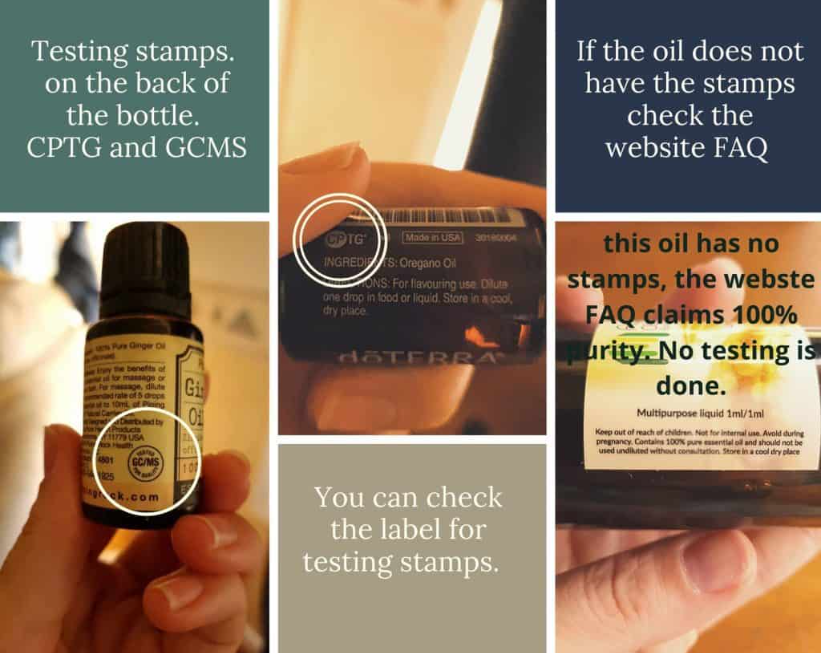
Whether you’re new to the whole essential oil thing or have a few bottles hiding in your medicine cabinet, have you ever wondered what’s really in those bottles? How can you tell if what you’re buying is a knock-off or the real deal? And even if it’s real (no synthetic fragrance oil), how do you know it’s great quality?
If you’re like us, you’re using EOs to relieve a headache, find balance during a meditation practice, or diffuse an uplifting scent to kick your day in the pants. to give
Bad or fake EOs? Isn’t nobody got time for that! Here’s what you need to know to make sure you’re buying the right stuff.
How do knockdown essential oils end up on store shelves?
Not all essential oils are made with the utmost purity and authenticity in mind, and unfortunately, they are not regulated by the FDA. This means you have to be your own advocate when it comes to getting the good stuff (cosmetics, people).
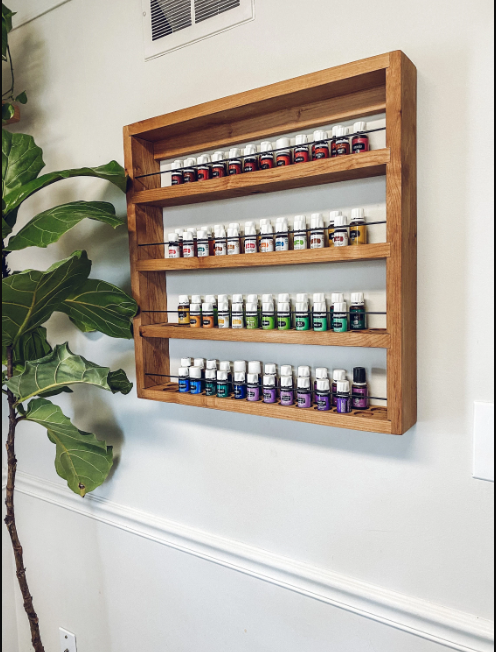
Essential oils have been used for thousands of years, but recently, along with the health promotion, EOs have been made more readily available to consumers than ever before.
Sadly, this means that some of those brown bottles you see on the shelves are filled with cheap synthetic fillers, extenders, or even just “perfume oils” to try and turn a profit. could
Synthetic fragrance oils do not contain the essential ingredients of real plants. So, repeat after us: Don’t let friends buy fake essential oils.
And if it’s a real essential oil in that bottle, the quality depends on several factors, including:
- Plant quality can be affected by weather, changing growing conditions, or the use of pesticides or other chemicals.
- Processing is important in how clean the equipment was kept during the distillation process. Some EOs can also be intentionally diluted during processing, and it can be really hard to tell… even if you’ve been working with EOs for years.
- packaging. How EOs are handled and stored can determine how long they are good for. The quality of even the purest, highest quality oil can be compromised if the oil is not properly packaged in a tightly sealed dark glass bottle.
What about “treatment”?
Simply put, there really isn’t a classification system for essential oils.
Shopping for essential oils is like shopping for diamonds in that you have to buy from quality vendors and both are valuable items that aren’t always the real deal.
But unlike diamonds, essential oils cannot be classified. Some sellers will claim that EOs can be grade A, B, C, etc., but if you see a bottle marked this way, remember that it’s only grade A bull.
How to tell if the oil is of high quality.
One of the best ways to find out which essential oils are authentic and high quality is to really sharpen your sense of smell (seriously).
You may want to take an introductory aromatherapy course or at least spend some time comparing and contrasting different essential oils with the guidance of a professional to become more alert in the scent pathway.
It can take time, though — some people, like aromatherapists and perfumers, make a living honing their sense of smell. But even experts still use the following three tips to ensure quality:
Check the bottle.
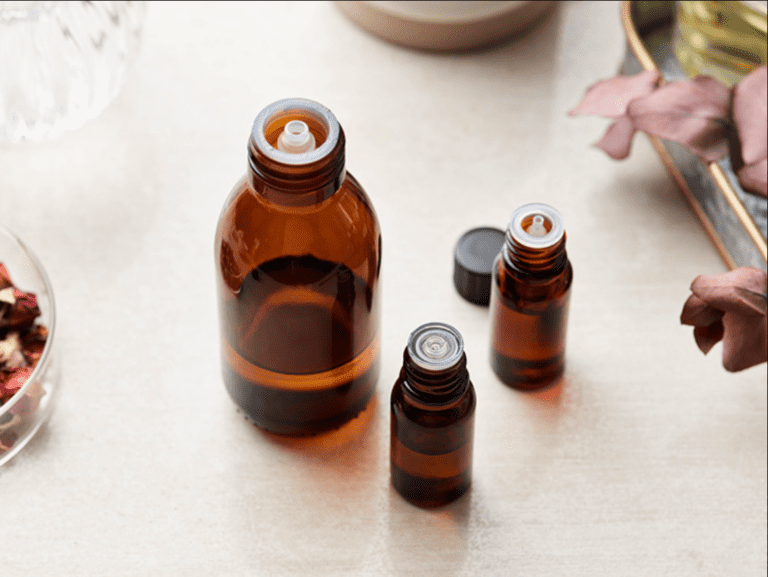
A quality supplier will sell their essential oils in a tightly sealed black (usually amber) glass bottle. These are usually less than 4 ounces, although the most common size is half an ounce (15 ml).
Sometimes they will come with an eyedropper cap, but more often they will come with an orifice reducer (the round, plastic part that fits into the opening of the bottle to help dispense one drop at a time).
Light and heat can damage essential oils (which is why the bottle must be dark), and the highly volatile chemical compounds in EOs don’t mix well with plastic, so they should be kept in glass. If you ever see an essential oil in a plastic bottle, don’t buy it!
Read the label
It should clearly state the common and Latin name of the plant used to make the oil. It should also state which parts of the plant were used (i.e., the bottle of Niaouli should say “Part of the plant: leaf and twig”), how it was extracted (atoll or expression), and how it was extracted. Grown (aka organic, wild-raised, conventional).
The label should also state that it is “100 percent pure essential oil” and list the pure ingredients (including metric measurements). If it says “essence oil”, it’s not pure essential oil but usually a mixture of essential oils in a carrier oil (like jojoba) base. It is great for certain applications but is not a pure essential oil.
The label should clearly list all the ingredients in the formula, and if you’re shopping for a pure EO, it should only contain one ingredient.
Verify the source.
You should be able to easily find out where it was obtained. If the label doesn’t clearly state the country of origin, you may see a “lot#” that you can then search for.
If you’re buying from a website, it should say where the oil is from on the product page, even if the individual bottles aren’t (just because the labels can be quite small).
Common signs of fake oil
Sometimes it’s easy to tell if an essential oil isn’t the real deal. Other times, the hints are more subtle. Take care of at least these three important things:
You see the word “fragrance”.
If a label simply says “fragrance oil” and does not include a Latin name, it is not an essential oil.
Some plants are not even able to produce essential oils – such as violets. Sorry to break it to you if you see a bottle labeled “violet oil,” but there is no violet essential oil from the plant Viola odorata (aka sweet violet). They are too small and fragile to extract EO using conventional methods.
Side note: You can get violet leaf essential oil, which is made from the leaves and not the flower, and is green in both color and scent. It is not recommended for aromatherapy.
There is no Latin name.
Again, if it doesn’t list the Latin name as well as the common name, don’t buy it. It is probably a mixture of artificially scented “fragrance oils”. It may contain some essential oils, but who really knows?
For example, a label shouldn’t just say “lavender,” it should say which of the many varieties of lavender it’s extracted from. For example, Lavandula angustifolia is very different from Lavandula latifolia.
Check the price.
Compare the price. A very low price is something to be wary of. But even the most expensive bottle may not be the best choice. In recent years the sale of essential oils has become retail-based, whereas it used to be more practitioner-based.
These days, some multi-level marketing companies are raising their prices because they’re really selling a *brand. * These oils are mass-produced, and companies are always upfront about their sourcing or sustainability efforts. They don’t come. These oils are usually more expensive.
For example, if you want to add a standard bottle of pure bergamot essential oil to your home aromatherapy kit, $11 to $26 for a half ounce (15 ml) is a good price as of the writing of this article. If it is certified organic, it will be on the higher end of that range.
But if you see a single-sized bottle retailing for $40, be careful — you’re probably paying for a brand markup.
Prices also fluctuate over the years, depending on what crops and harvests can be had. For example, more than 80 percent of the world’s vanilla is grown on the island of Madagascar, which has suffered from terrible weather in recent years.
Due to a failed crop, vanilla bean prices have increased 10 times since 2017. This influenced the price of vanilla for everything from baked goods to beer to ice cream. And the availability of vanilla absolute (not an essential oil because it is obtained by solvent extraction), which is often obtained through botanical perfumes, is still extremely limited.
Safety Tips
Despite their name, essential oils are not that essential for health. It’s a brilliant marketing ploy, but it’s a misnomer—they can’t affect our bodies the way nutrients can. Still, essential oils label potential benefits—such as relaxation, elevated mood, antifungal properties, and pain relief—and some studies have actually demonstrated beneficial effects. But essential oils can be dangerous when misused.
“I want to caution everyone to be a little more cautious when they’re buying their essential oils,” says Nancy Rogers, a certified aromatherapist at the Mayo Clinic in Rochester, Minnesota, noting that essential oils Active ingredients are bulky, complex molecules that researchers still don’t fully understand.
To reap the benefits of these compounds while being safe, a critical mind and a willingness to do your own research are essential.
Sleuth for Scandal
Essential oils do not have to be approved by the US Food and Drug Administration, but the agency can take action if it determines there is a safety risk. However, the FDA requires approval for any essential oil product that it considers a drug. This vulnerability means that sellers can make claims about the health benefits of their products without data to back them up. The FDA can step in—in 2014, the agency slapped three companies with warnings that they were falsely promoting their oil as a treatment for the Ebola virus—but there’s no guarantee that they will. will catch every offending oil before it ends up in the house. Without comprehensive federal oversight, consumers have a responsibility to exercise due diligence on these products.
“Anything goes,” says Rogers. “Anyone can package an essential oil and claim it.”
If you’re investigating a particular brand, you can search for product recalls on the Consumer Product Safety Commission’s website, says Kelly Johnson-Arbor, a clinical toxicologist at the National Capital Poison Center in Washington, D.C. are, say brand name or type in full. Type in the phrase “essential oils” and see if your latest purchase (or the product you’ve been eyeing) comes up. The most recent entry on the website (as of April 2022) might scare you—in November, Walmart urged shoppers to return bottles of Better Homes and Gardens-branded lavender room spray because it contained a rare bacterial strain. There were two people killed.
Read what the label says
Rogers says choosing a quality product starts with reading the label on the bottle.
Look for details such as country of origin, oil extraction method, and chemical composition. Being derived from plants, essential oils are essentially like alcohol, says Rogers, because the soil the plants grow on affects the final quality of the oil. For example, lavender grown in the French Alps doesn’t smell the same as lavender grown in the U.S., Rogers says. Therefore, knowing the roots of a product can help you ensure that you get what you ask for.
And there are no shortcuts – contrary to advertising, the “grade” of an essential oil will not necessarily indicate the quality of the product. These ratings are not standardized or regulated across the industry, so they are unreliable for telling consumers whether a purchase is appropriate for your intended use.
Most importantly, the label must display the Latin name of the plant species from which the oil is derived. If the product label does not have that basic information, run. And instead of shopping around, you should know what species you’re looking for. For example, there are over 40 species of lavender (Lavandula), and over 600 species of eucalyptus. Each type has different benefits and even smells, Rogers says.
To learn more about different types of plants, as well as their benefits and risks, Rodgers recommends starting with established, reputable websites, such as the National Association for Holistic Aromatherapy. She also suggests scouring research databases like PubMed for published studies on essential oils to check what you’ve read on other websites. As you go along, Rodgers recommends being wary of studies initiated or funded by private companies, as they may be trying to present their products in the best possible light and medically respected. Will be working on the hidden part.
If this is your first foray into the world of essential oils and there’s homework involved, Rodgers recommends sticking with one or two oils at a time and not experimenting. That way, if you develop an adverse reaction like irritation or breathing problems, you’ll have an easier time narrowing down your list of allergy suspects.
How to use an essential oil diffuser at home
Because essential oils are derived from the scent of plants (their name actually comes from the belief that they contain the “essence” of a plant), they can be perfect for things that are already good in nature. By doing: Sweetening the scent around you. Add a few drops of oil to a water-filled diffuser, and the electric device will diffuse the scent into the air through the oil-filled water droplets.
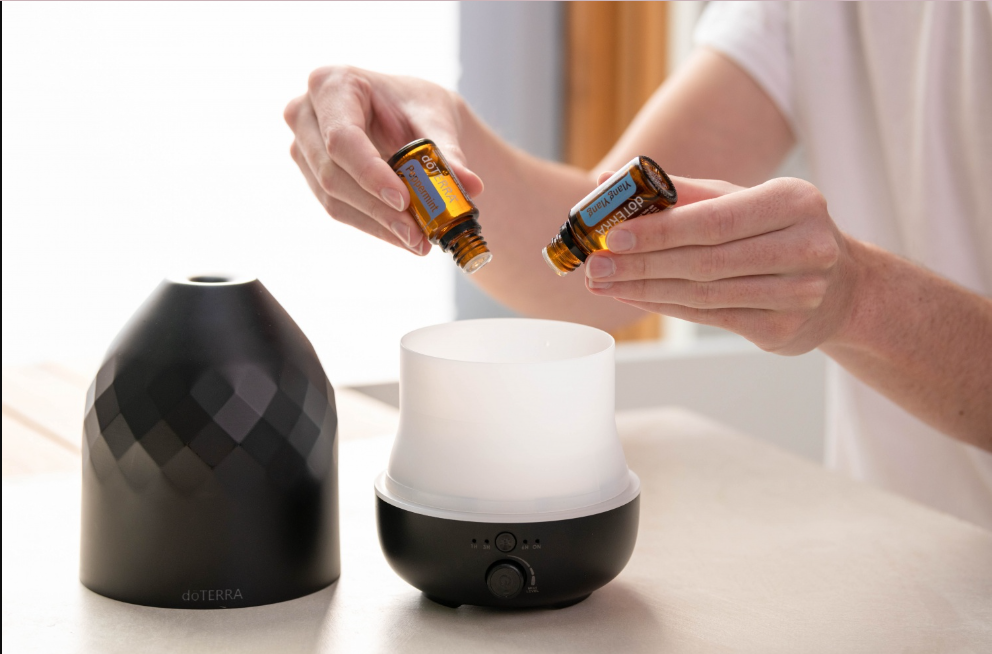
To perform your own aromatherapy, Johnson Arbor suggests starting in a well-ventilated space.
“People might think it’s counterintuitive to open the windows, but I think it’s the safest way,” she says. “Or at least do it in a big room.” You should also make sure that neither you, nor anyone in the room, has breathing problems, such as asthma—aromatherapy can aggravate these symptoms.
You also don’t need to use a diffuser. Some hospitals give patients a few drops of essential oil (not wet or soaked) on cotton balls, which they can carry in a plastic bag. And there’s a reason to avoid diffusers that offer aromatherapy in hospitals: They can be hotbeds for microbes. If this scares you, clean your diffuser at home, ideally after each use or before changing scents. Clean the diffuser with a solution of equal parts white vinegar and water, then allow your diffuser to dry completely. For a deeper clean, you can add a teaspoon of pure white vinegar to the diffuser’s half-filled water reservoir, then run your contraption through the mixture for several minutes, just as you would with essential oils. Finally, take out the diffuser and wipe the inside with a damp paper towel.
Stick to proper usage
Essential oils must be mixed with a carrier oil such as coconut oil or argan oil before applying to your body. (Unlike essential oils, carrier oils are odorless and come from the seeds or fruits of plants.) Some companies blend them as part of the manufacturing process, but you may have to do it yourself. According to Essential Oil Safety by Robert Tesserand and Rodney Young, in general, a dilution of no more than 2 percent essential oil—about 12 drops of essential oil per fluid ounce of carrier oil—is considered safe for adults. Pure essential oils are too concentrated to use directly and can irritate your skin, causing redness or a rash.
Again, you’ll need to review the dos and don’ts for specific substances, as each has its own quirks. For example, many citrus oils such as bergamot (Citrus bergamia) are phototoxic, meaning they will increase your risk of sunburn if you apply them to your skin. Some oils should be avoided altogether, just to be safe—Rogers warns against bitter almond oil and mustard oil, which can be toxic.
In general, less is more, she says. For example, she warns against adding more than a few drops of oil to bath water. Oil and water don’t mix, so as you hit the water, you’re getting the full punch of pure oil. Adding a drop or two to bath salts will help the oil diffuse better, Rogers says.
If you have children or pets in your home, be sure to keep essential oils out of their reach. While you may have researched your oils and know how to use them correctly, others may not. Babies are also the essential oil equivalent of the canary in the coal mine—their small size makes them more susceptible to overexposure to essential oils.
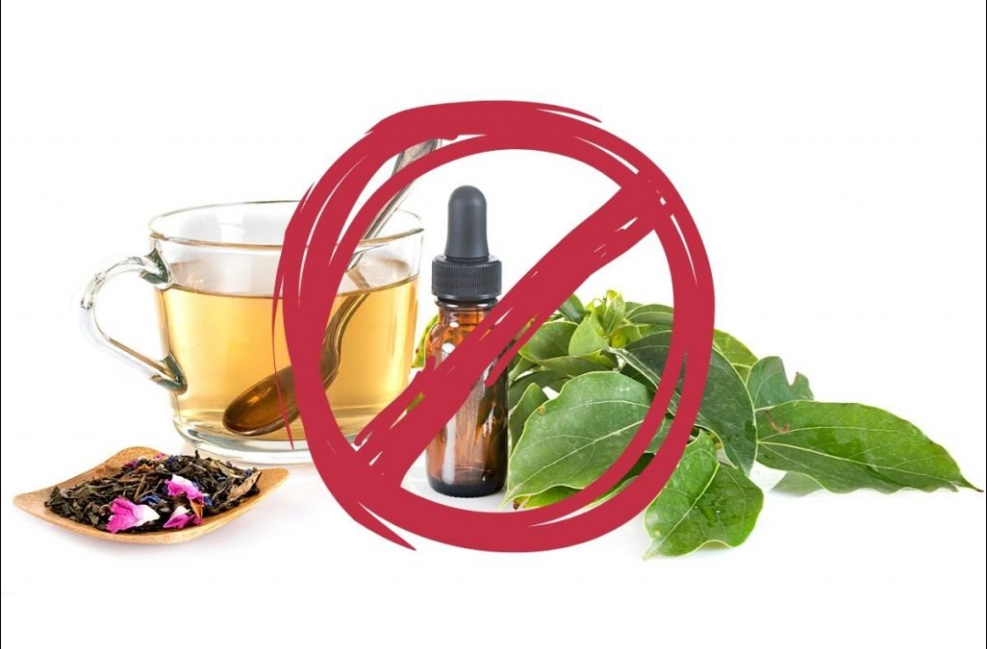
Do not ingest essential oils.
Just… no, enough said. Both Johnson Arbor and Rogers expressly advise against eating or drinking essential oils. Used this way, some oils such as eucalyptus, camphor and sage can cause seizures.
Consult the experts.
If you want to use essential oils while you’re undergoing unrelated medical treatment or taking other medications, it’s a good idea to check with your physician to see if your health care plan is safe for you. The requirements are consistent with essential oils. An integrative medicine physician is your best bet for advice in this area, and your clinic or hospital may have one.
In the event that you are allergic to aromatherapy, topical oil application, or heaven forbid ingesting essential oils, call the non-profit organization Poison Control. Line specialists will provide instructions on how to manage the effects at home, or recommend a trip to hospital.
This may sound like overkill, but Johnson-Arbor encourages people not to wait for their symptoms to boil over because they can be embarrassed by an accident. “We get a lot of reports of exposure to essential oils,” she says. “Every day, people are experiencing adverse reactions to essential oils.” If you put yourself in a pickle, you won’t be the first.
Go beyond the brand.
There are several other things I look for when testing my essential oils. I used to just pick at random, but when I became a certified essential oil coach, I quickly realized that many brands were using marketing gimmicks that I was falling for too!
I soon became very excited about translating all the essential Isle lingo that my friends could understand. This is because I strongly believe that everyone should know how to choose the right oil for their family!
In fact, I even wrote an entire eBook on how to do it. Beyond brand distills (pun intended!) everything I’ve learned from years of trial and error with choosing essential oil brands. If you are serious about learning how to choose the best essential oils for your family, I highly encourage you to check out this eBook!
The bottom line
Suppliers won’t claim to sell low-quality or adulterated essential oils, so it’s important to learn to watch through smart marketing.
Look for essential oils sold in dark glass bottles that are clearly labeled with the Latin name, plant parts used, type of extraction, growth method, pure content and country of origin.
Stay away from plastic bottles, labels with vague or minimal information (or labels with images of a plant that’s completely different from what it claims), and anything that’s simply labeled “fragrance oil.”
And, as our disclaimer says, it’s a good idea to talk to your healthcare provider about using essential oils if you haven’t already. A naturopath (ND), certified aromatherapist, or certified medical herbalist can also be of great help on your essential oil journey.