How to use essential oils safely
Although research shows that there are health benefits, the FDA does not monitor or regulate the purity or quality of essential oils. Before starting to use essential oils, it’s important to talk to a healthcare professional and be sure to research the brand’s product quality. Always do a patch test before trying a new essential oil.

They are made from parts of certain plants such as leaves, seeds, bark, roots, and bark. Manufacturers use different methods to concentrate them into the oil. You can add them to vegetable oils, creams, or bath gels. Or you can smell them, rub them on your skin, or put them in your bath. Some research shows that they can be helpful if you know how to use them properly. Always check the label and ask your doctor if you’re not sure if they’re okay for you to use.
Simple scents like lavender, chamomile, and rose water can help keep you calm. You can inhale or rub diluted versions of these oils onto your skin. Scientists believe they work by sending chemical messages to parts of the brain that affect mood and emotions. While this scent won’t relieve all your stress, the scent can help you relax.
Oils that are fine on your arms and legs may not be safe to put inside your mouth, nose, eyes, or private parts. Lemongrass, peppermint, and cinnamon bark are some examples. Look for a reliable producer that makes pure oil without additives. You are more likely to be allergic to oils that contain other ingredients. Not all extras are bad. Some added vegetable oils may be common to some of the more expensive essential oils.
Just because it’s from a plant doesn’t mean it’s safe to rub on your skin, inhale, or eat, even if it’s “pure.” Natural substances can cause irritating, toxic, or allergic reactions. As with anything you put on your skin, it’s best to do a small test on a small area and see how your skin reacts. Throw out the old oils. Throw out the old oils.
In general, don’t keep them for more than 3 years. Old oil is more likely to deteriorate due to exposure to oxygen. They may also not work and may irritate your skin or cause an allergic reaction. If you notice a big change in the way the oil looks, feels or smells, you should throw it out, because it’s probably gone bad.
Do not apply edible oil to your skin.
Do not apply edible oil to your skin.
Cumin oil, which is safe to use in your food, can cause blisters if you apply it to your skin. Citrus oils that are safe in your food can be bad for your skin, especially if you go out in the sun. And the opposite is also true. Eucalyptus or sage oil can soothe you if you rub it on your skin or inhale it. But swallowing them can cause serious complications like seizures.
Your doctor can make sure it’s safe for you and rule out any side effects, such as affecting your prescription. For example, peppermint and eucalyptus oils can change how your body absorbs the cancer drug 5-fluorouracil through the skin. Or allergic reactions can cause itching, hives, or difficulty breathing.
Undiluted oils are too strong to use straight. You usually need to dilute them with vegetable oils or creams or bath gels in a solution that contains only a small amount — 1% to 5% — of the essential oil. Exactly how much can vary. The higher the percentage, the more likely you are to react, so it’s important to match them correctly.
Do not use on damaged skin.
Do not use on damaged skin.
Injured or inflamed skin will absorb more oil and may cause unwanted skin reactions. Unrefined oils, which you shouldn’t use at all, can be downright dangerous on damaged skin.
Young children and the elderly may be more sensitive to essential oils. So you may need to thin them out more. And you should avoid certain oils altogether, such as birch and wintergreen. Even in small amounts, they can cause serious problems in children 6 years old and younger because they contain a chemical called methyl salicylate. Do not use essential oils on a baby unless your pediatrician says it’s okay.
They can become very concentrated and cause serious health problems, especially if taken in the wrong dosage or in the wrong way. As with anything else that little hands can’t reach, don’t oversimplify your essential oils. If you have small children, keep all essential oils out of their sight and reach.
Discontinue use if your skin reacts.
Discontinue use if your skin reacts.
Your skin may love essential oils. But if it doesn’t — and you notice rashes, small bumps, blisters, or just itchy skin — take a break.
Essential oils can be used safely to enhance well-being and as part of a healthy lifestyle. They are used by millions of people every day, most of them without incident. However, essential oils are powerful substances and can be harmful if not used with proper care and diligence. Essential oil in a bottle is 50-100 times more concentrated than the plant itself, and safety issues apply to essential oils that do not apply to whole plant or herb extracts.
There is a lot to know about essential oil safety, and this page only covers general safety guidelines.
If you are currently experiencing an adverse reaction to essential oils, please see the First Aid Guidelines.
- Find more resources on safety.
- Experiencing a negative reaction?
- Read our first aid guidelines
Using and reducing conditions
Do not apply undiluted essential oils to your skin. It’s that simple. The most common adverse reaction, experienced by hundreds, possibly thousands, of people each year is a skin reaction, and the most common cause is the use of undiluted essential oils. Usually, the reasons for doing this are either (1) ignorance: no one told you it wasn’t a good idea, or (2) someone told you it was a good idea, and that it was safe. .Table with percentages of recommended conditions
Above is a table with general guidelines for diluting essential oils that are commonly used in various scenarios. For children, see the chart under “Children.” Here is a dilution guideline chart for you to use.
Some essential oils, such as lemongrass, clove or cinnamon bark, cause more skin reactions than others. However, people often react badly to essential oils that are relatively safe because they are used unadulterated (see database). This is not because these essential oils contain impurities. The same companies that tell us real essential oils cannot cause adverse reactions are the same brands that cause most reactions. The simple fact is that vulnerability and risk are directly linked, and this is a well-known phenomenon in dermatology and toxicology.
If you have an allergic reaction to an essential oil, your immune system is usually set up for life, so you may need to avoid the oil indefinitely. Click here for adverse reaction reports involving allergic contact dermatitis. Inflammation is different, does not involve the immune system, and is usually caused by abuse. Click here for reports of irritant contact dermatitis adverse reactions. For more information on irritation and allergic skin reactions to essential oils, read our detailed description here.
Bath
Perhaps more importantly, don’t add drops of essential oil to the bath and then step in. Essential oils don’t mix with water, they float on the surface in tiny droplets, and you’re sitting on those droplets of undissolved essential oil. Whenever an essential oil is ‘mixed’ with water without a dispersing agent, there is a risk of irritation, as the colorless droplets of the essential oil adhere to the skin, often in sensitive areas. Because oils are hotter than water, and can’t evaporate as well, they often sting like crazy. Click here for adverse reaction reports involving bath and laundry products. Therefore, essential oils always need to be thoroughly dispersed in a suitable base before being added to the bath.
- We’ve put together a bath safety page, which lists suitable dispersants and how to use them, as well as why substances like Epsom salts or milk don’t work.
- Eyes and ears
- The eyes
- Do not drop undiluted essential oil into the eyes as this will cause a chemical burn and may result in temporary blindness. Diluted essential oil can be used near the eyes. More here.
- ear
- Undiluted essential oils should not be dripped into the ears, but diluted essential oils can be placed on a cotton ball for partial instillation.
Oral intake
Do not ingest essential oils unless advised to do so by a practitioner who is qualified/licensed to prescribe essential oils in this manner. Taking essential oils orally involves many areas of risk that other methods do not. Do not take essential oils either boiled or in water, as there is a risk of mouth/stomach irritation. This is similar to what happens in a bath (see above) except that the mucous membrane tissue is more sensitive than the skin, yet our gut only sends pain signals when the erosion is severe enough. be Essential oils are widely used in food flavoring, and GRAS status for many essential oils applies to food flavoring uses, but it specifically excludes medicinal uses. One or two drops of most essential oils a day can be taken safely, but more than that is not recommended.
Breathing and Exhalation
It is not advisable to inhale essential oils directly and intensively for more than 15-20 minutes, such as through steam inhalation. However, this does not apply to ambient inhalation of essential oils vaporized into the air. If you’re diffusing an essential oil, it makes more sense.
Safety depends on many factors.
As the market for essential oils continues to grow, so have concerns about whether these highly concentrated plant extracts are safe for general consumption. Many consumers are unaware of the potential dangers of using essential oils in their health, beauty and cleaning routines.Whether or not a particular oil is safe for you depends on several factors, including your:
- age
- Underlying health conditions
- Use of medications and supplements
- When it comes to oils, it’s important to consider:
- Chemical composition and purity
- How to use
- Period of use
- Food
- Read on to learn how to use each method safely, which oils to try and which to avoid, what to do if you experience side effects, and more.
Safety guidelines for topical use
Many people turn to topical oils for their skin-healing Trusted Source or pain-relieving Trusted Source properties. However, if administered incorrectly, rash and other side effects may occur.
Some essential oils can also be toxic if absorbed directly through the skin. Others, such as oranges, limes, and lemons, can cause phototoxicity if applied before sun exposure.
To reduce
Essential oils need to be diluted to prevent adverse reactions. As a general rule, you should keep the concentration level of essential oils below 5 percent.
Diluting at 1 percent is equivalent to adding 6 drops of essential oil to 1 ounce of carrier oil. Guidelines for safe concentrations vary by age and health status.
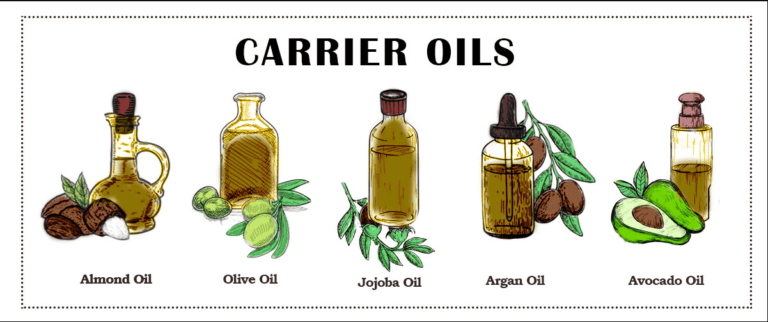
You can easily dilute your essential oil by mixing a few drops with a carrier oil. Carrier oils are usually vegetable-based. They carry the essential oil safely to your skin and help you spread it over a larger surface area.
Patch test
- Patch tests allow you to see how your skin reacts to a particular oil before using it fully.Here are the steps to patch test:Wash your arm with unscented soap.
- Dry stomach.
- Rub a few drops of diluted essential oil into a small area of your arm.
- Wait 24 hours.
- Remove the gauze.
- If the patch of skin is red, itchy, blistered or swollen, you have had an adverse reaction to the oil and should stop using it.
- If you experience discomfort before the 24-hour period is up, wash the area immediately with soap and warm water.
- The oil
- Popular essential oils that can be used with or without dilution (neat application):
- Chamomile
- Cypress
- Eucalyptus
- Lavender
- Tea tree (unoxidized)
- rose
- Sandal wood
- Cleansing applications should be done under professional supervision.
- Popular essential oils that should be diluted are:
- Bay
- Cinnamon bark or leaf.
- Clove bud
- Citronella
- Cumin
- Lemongrass
- Lemon verbena
- Oregano
- Time
Safety guidelines for internal use
Essential oils are not permanently regulated.You should not use essential oils internally unless you have undergone advanced training and certification or are working under the guidance of a trained professional.Avoid oral ingestion and internal use, such as in the mouth, vagina, or other mucous membranes.
Safety guidelines for aromatherapy
The benefits of aromatherapy have been well researched. Trusted Source Inhaling certain essential oils, such as sweet orange, can help reduce symptoms of stress and anxiety. Inhaling lavender can improve sleep quality.
- You can get the benefits of aromatherapy through inhalation or diffusion. Breathing is most effective when treating respiratory problems, while diffusion is best for mood management.
- When diffusing oil, use these safety precautions:
- Follow appropriate vulnerability guidelines.
- Make sure you spread in a well-ventilated area.
- Stretch intermittently, usually 30 to 60 minutes on, then 30 to 60 minutes off.
- Shop online for diffusers.
- The oil
- Popular essential oils that can be diffused without any potential risk to children or pets include:
- Pine wood
- FIR
- grapefruit
- Lavender
- lime
- Mint
- tangerine
- Popular essential oils that should be diffused with caution, as they irritate the mucous membranes:
- Bay
- Cinnamon bark or leaf.
- Clove bud or leaf.
- Lemongrass
- Peppermint
- Time
Can you use essential oils during pregnancy?
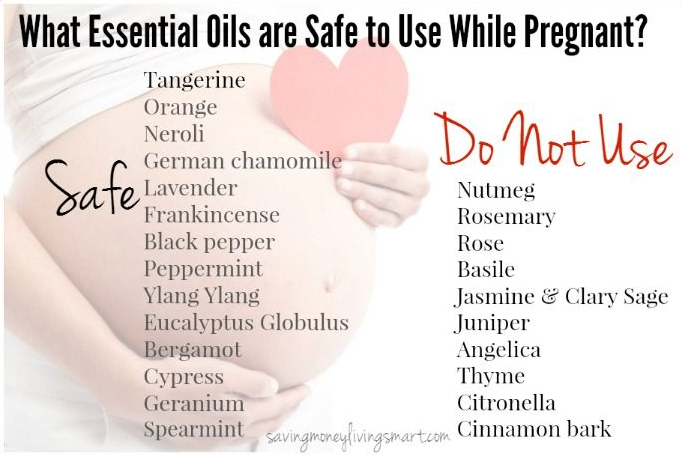
- This is a highly controversial process – especially during the first three months.
- Some people worry that essential oils can cross the placental barrier and harm the fetus.
- While there are some essential oils that should never be used during pregnancy, there are others that are considered safe for use during prenatal massage or through the diffuser method.
- According to a study, certain essential oils may be effective in reducing anxiety and fear of childbirth.
- If you use essential oils during pregnancy.
Common side effects and risks associated with popular oils
We still don’t know much about the long-term effects of aromatherapy. Potential long-term effects need to be considered and studied before the use of popular oils becomes mainstream in Western medicine. There are risks.
Here are some examples:
- Fennel When used internally, fennel reduces the antidepressant effects of some drugs and enhances the effects of drugs that affect the central nervous system.
- Bergamot. This oil may cause skin sensitivity and may result in burns if applied in high topical concentrations prior to exposure to sunlight.
- cinnamon. If this oil is applied or ingested undiluted, it can cause mucous membrane irritation, skin inflammation, blurred vision, double vision, nausea and vomiting.
- Eucalyptus This oil may cause seizures if swallowed.
- Lavender. Affects hormones in men who have not reached puberty.
- Lemon verbena. If applied topically before sun exposure, this oil may cause photosensitivity and may result in burning.
- Nutmeg. This oil may cause itching or irritation if applied topically. When consumed in large quantities, it can cause hallucinations and even coma.
- Peppermint. This oil can cause itching and other irritations when applied to the skin. It can also cause heartburn if taken internally.
- daddy If consumed in large amounts, this oil can cause anxiety, vomiting, dizziness, rapid heartbeat, tremors, seizures, and kidney damage.
- tea tree When applied topically, this oil may cause itching or burning. If swallowed, it may cause loss of muscle coordination and confusion. Ingestion can also affect hormones in men who have not reached puberty.
Things to consider before using essential oils
Essential oils are natural, but that doesn’t mean they can be used without taking precautions. Before using any essential oil, you should ask yourself – and be able to answer – the following questions:
Which method do you want to use?
The method you use depends on the desired effect. Are you looking for mood-altering effects (aromatherapy)? Do you want to treat a skin disease or relieve pain (recently)? Or, do you want to treat a medical condition (oral or aromatherapy)?
Does the oil need to be diluted?
Most essential oils, unless they are considered “pure”, need to be diluted. Always check the vulnerability guidelines.
Does oil increase sensitivity to light?
In general, citrus essential oils increase photosensitivity. Applying them before sun exposure can cause serious skin irritation.
Does the oil have any medical interactions?
Some essential oils, which are absorbed into the body through aromatherapy, can cause adverse reactions when used with other medications or supplements. They can also trigger or worsen symptoms of an underlying medical condition.
Is the oil safe to use around babies, children or pets?
Always check if a particular essential oil is safe for children and pets. Remember that what is safe for dogs may be toxic to cats. Cats are more sensitive to essential oils than other pets. Avoid using aromatherapy in public.
Is it safe to drink oil?
Essential oils that are perfectly safe can be toxic when used topically or in aromatherapy. Some oils, such as wintergreens, can be deadly.
General precautions
In general, you should treat essential oils like any other medicine, supplement, or harmful substance. This means taking care when buying, storing and using them.Keep essential oils out of the reach of children and pets
Keeping your essential oils out of sight isn’t enough. To ensure safety, keep all essential oils in a lockable case and keep them out of reach in a cupboard. Alternatively, store them in a tall cabinet and add a child lock.When stretching, do not exceed 30 to 60 minute intervals.
With essential oils, less is often more. Exceeding ideal times does not increase the benefits of the oil. In fact, it can actually stress your body, especially the nervous system.Spread only in well-ventilated areas.
As a general rule, if you can only smell essential oils, your area is not well ventilated. In such cases, you risk irritating your respiratory system.Ventilation is especially important in the presence of pets – and this includes leaving doors open for pets to remove themselves.
When in doubt, dilute the oil.
When using topically, carrier oils should not be overlooked. Not only are they effective in spreading essential oils over a larger surface area, they also protect your skin from irritation and irritation.
Never use photosensitizing oils before UV exposure.
Safety Guidelines Wait a full 24 hours after using photosensitizing oil before going to a tanning booth or spending time in direct sunlight.
Overview
Helichrysum essential oil comes from the Helichrysum italicum plant, which is commonly found in the Mediterranean and southern Europe. The oil can be found in all green parts of the plant, including stems and leaves. The dried flowers of the plant can also be used for medicinal purposes.Helichrysumitalicum is also called curry plant because its leaves have a curry-like smell.
Helichrysum is a common, traditional medicine used in the region in which it grows. It is said to have anti-inflammatory, anti-fungal and anti-bacterial properties. However, while laboratory and animal studies are promising, there is little research on its effectiveness in humans.
Benefits of Helichrysum Essential Oil
Studies have suggested that helichrysum essential oil can help promote healing, fight infection, and reduce inflammation. Most studies are small, or involve laboratory animals or tissues rather than humans. However, this preliminary science suggests that helichrysum essential oil may be able to help:

Allergy
There is some evidence that helichrysum may be able to reduce the symptoms of allergies, especially contact dermatitis, a type of allergy caused by contact with an allergen.
Also, allergy symptoms are often the result of inflammation, which occurs when the immune system reacts to allergens. Therefore, the anti-inflammatory properties of helichrysum can help reduce allergy symptoms.
Cold and cough
Helichrysum essential oil may have antimicrobial properties that help fight colds and coughs. Also, colds and coughs can cause inflammation in your airways and inside your nose.
Evidence suggests that helichrysum may also help reduce inflammation. The best way to treat colds and coughs with helichrysum oil is by using a diffuser.
Inflammation of the skin
Helichrysum oil has a long-standing traditional use as a treatment for skin inflammation. A laboratory study shows that helichrysum is generally anti-inflammatory, and therefore it may be able to treat skin inflammation.
Wound healing
Helichrysum oil may help wounds heal more quickly, although the mechanisms are unclear.
Skin infections are also a common side effect of improper wound healing. Helichrysum’s antimicrobial properties can help prevent infection, which aids in wound healing.
A 2016 study found that essential oils combined with antibiotics were more effective than antibiotics alone at preventing infection in skin wounds.
Digestive disorders
Helichrysum essential oil is traditionally used to treat a wide range of digestive problems, such as:
- Stomach pain
- Bloating
- indigestion
- Acid reflux
- Constipation
A 2013 study in mice and in the laboratory found that helichrysum oil from the plant’s flowers can help unclog the intestinal lining, helping to reduce symptoms of some digestive problems such as cramping, cramping, and bloating. can be found
Gallbladder diseases
Treatment of gallbladder disorders is a traditional use of Helichrysum throughout Europe. There is some evidence from trusted sources, primarily from animal studies, that helichrysum essential oil can help reduce gallbladder inflammation and associated pain.
Inflammation of muscles and joints
Because studies show that helichrysum essential oil has anti-inflammatory properties, it may be able to reduce muscle and joint inflammation when rubbed into the affected area.
Infections
The antibacterial effects of helichrysum are one of its most studied areas. Most of these studies have been conducted in the laboratory, but they suggest that helichrysum essential oil may be able to slow or prevent the growth of a range of bacteria, including those that cause the trusted soursop infection.
Candida
Candida is a type of fungus that can cause yeast infections, thrush, and other infections throughout the body.Some evidence from 2018 laboratory tests suggests that helichrysum essential oil may prevent or slow the growth of Candida. When the composition of this essential oil was analyzed in both liquid and vapor phases, it was found to be effective against Candida.The claims are unfounded by research.
Insomnia
Helichrysum essential oil is traditionally used to treat insomnia, but there is currently no scientific evidence that it works.
Acne
Helichrysum essential oil is often recommended to treat acne – especially acne scars – but there is currently no scientific evidence that it works.
Liver diseases
Helichrysum essential oil is used in various parts of Europe to treat liver diseases, but there is currently no scientific evidence that it works.
Helichrysum uses essential oil.
Helichrysum oil is often already diluted as a cream that you can apply directly to your skin to relieve muscle and joint pain.
If it’s pure essential oil, check the label, and if your helichrysum isn’t diluted with about 2 to 5 percent essential oil, dilute it with its own carrier oil before using.
And before diluting to use on large areas of your skin, you’ll want to test for an allergic reaction. Dilute the essence.
- Do essential oils expire?
- Why do they expire?
- Average shelf life
- Extending shelf life
- How to tell if you’re out of oil
- Disposing of expired oil
- Recycling containers
take away
Although research shows that there are health benefits, the FDA does not monitor or regulate the purity or quality of essential oils. Before starting to use essential oils, it’s important to talk to your healthcare provider and be sure to research the quality of the brand’s product. Always do a patch test before trying a new essential oil.
Alternative medicine has become a popular option in today’s health care world, and with it comes the use of essential oils. These oils can be used for a variety of reasons, from aromatherapy to disease prevention.
If you don’t use a lot of oils, you may wonder if they have expired. The answer is yes, they do!
We’ll take a look at why essential oils expire, and we’ll examine the average shelf life of specific essential oils, as some last longer than others. Read on
Why do essential oils expire?
As soon as you open a new bottle or container of essential oil and it comes into contact with oxygen, a process called oxidation begins. The process of oxygenation involves the conversion of oxygen bonds to carbon bonds between cells.

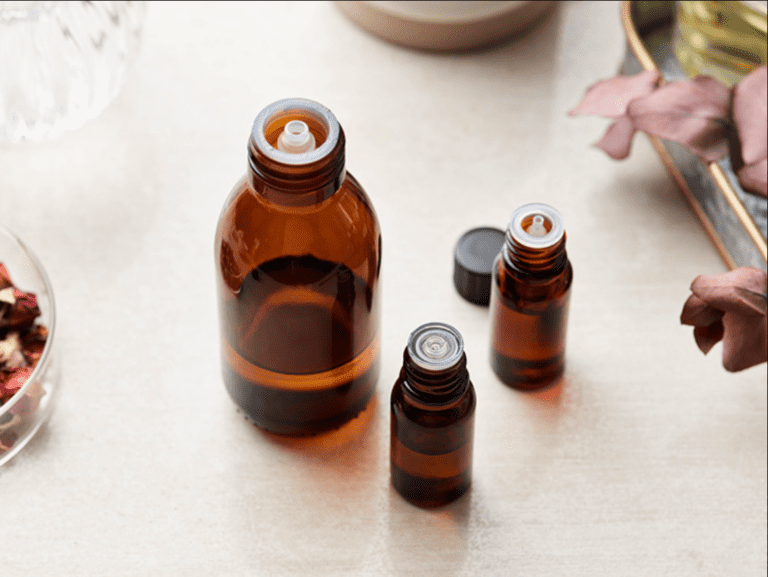
When an oil comes in contact with oxygen, light and heat, its composition begins to change. Over time, it begins to lose its power and effectiveness. This is why most essential oils are sold in amber colored bottles – the darker glass provides better protection against ultraviolet light.
Does this mean that essential oils go bad or “go bad?”
Essential oils are not perishable like food, but they do change over time. Since it is difficult to determine what oils have been converted to, it is also difficult to determine whether they are safe to use.
Most importantly, do not inhale expired essential oils or use them on your skin after they have expired.
What is the approximate shelf life of essential oils?
Most essential oils have a shelf life, but this shelf life can vary by oil type. These tables show the average shelf life of specific oils.
Can you extend the shelf life of essential oils?
Here are some tips to extend the shelf life of your essential oils.
- Reduce exposure to oxygen.
- To prevent your essential oils from expiring early and to ensure they remain potent, minimize the time you take the cap off the bottle. The longer the bottle, the more the oil is exposed to oxygen in the air.
- Also, make sure to put the cap back on the bottle tightly. If it is not tightly sealed, oxygen can still enter the bottle and start the oxidation process.
Keep away from light and heat
The best place to store your essential oils is in a cool, dry place like a kitchen cabinet or your bathroom medicine cabinet. Keep your oil away from direct sunlight or any other direct heat and light sources.
It is also best to buy or use dark colored glass containers for your oils. The more opaque the glass, the more protection it provides against oxidation.
Use small containers to store your oil.
Smaller cans will prevent oxygen from being trapped in the bottle when opened. This will prevent premature oxidation and extend the life of your oil.
Healthline Resource
Your guide to beauty buzzwords
Confused about which skin care ingredients live up to the hype? You are not alone. Find out which products are worth using or skipping.
How can you tell if you’ve run out of essential oils?
Once you open the bottle of oil, you should keep track of how long you have been drinking it. An easy way to do this is to take a marker and write the date you opened it on the label.Use the charts above for a quick reference for shelf life, and throw out the oil after it expires.If your oil is out of date, here are some other signs that it may be time to toss it:The smell of the oil has changed since you first opened the bottle.
Discolored, or cloudy.
The consistency is thicker or thinner than when you opened it.
What is the best way to dispose of expired essential oils?
If you have expired essential oils, you may be tempted to throw them down the sink for disposal. However, there is a better way to get rid of these old oils without clogging your pipes or harming the environment.Here are some tips for properly disposing of your oil:
Check with your city/county/municipality about how to dispose of your oil. Regulations may vary from place to place, so be sure to familiarize yourself with the procedures in your area.
If you have a waste management company that picks up your waste, contact them to ask about the best way to dispose of your oils. They probably have chemical products.
How to choose the right essential oil
Many companies claim that their oils are “pure” or “medical grade.” However, these terms are not universally defined and therefore carry less weight.
Given that they are products of an unregulated industry, the quality and composition of essential oils can vary greatly (43Trusted Source).Keep the following tips in mind to choose only high-quality oil:
Purity: Look for an oil that contains only aromatic plant compounds, without any additives or artificial oils. Pure oils usually list the botanical name of the plant (such as Lavandula officinalis) rather than terms like “lavender essential oil.”
Quality: True essential oils are those that have been minimally altered by the extraction process. Choose chemical-free essential oils that have been extracted by distillation or mechanical cold pressing.
Reputation: Buy a brand with a reputation for producing high-quality products.
Abstract
High-quality oils use only pure plant compounds that are extracted by distillation or cold pressing. Avoid oils that have been mixed with artificial fragrances, chemicals or oils.
Safety and side effects
Just because something is natural doesn’t mean it’s safe.
Plant and herbal products contain many biological compounds that can harm your health, and essential oils are no different.
However, most essential oils are considered safe when inhaled or mixed with a base oil for use on your skin. Be sure to consider others in your environment who may be inhaling the scent, including pregnant women, children and pets.However, they can cause some side effects, including ( 44 Trusted Source ):
- The spots
- Asthma attacks
- Headache
- Allergic reactions
Although the most common side effect is a rash, essential oils can cause more serious reactions, and have been linked to one case of death ( 45Trusted Source ).
Oils commonly associated with adverse reactions are lavender, peppermint, tea tree, and ylang ylang.
Oils that are high in phenols, such as cinnamon, can cause skin irritation and should not be mixed with base oils on the skin. Meanwhile, essential oils made from citrus fruits increase the skin’s reaction to sunlight and can cause burning.
Swallowing essential oils is not recommended, as doing so can be harmful and even fatal in some doses ( 46 , 47Trusted Source ).
Few studies have examined the safety of these oils for pregnant or breastfeeding women, who are generally advised to avoid them ( 48 , 49 , 50 , 51 , 52 Trusted Source ).
Abstract
Essential oils are generally considered safe. However, they can cause serious side effects for some people, especially if applied directly to the skin or ingested.
The bottom line
Essential oils are generally considered safe to inhale or apply to the skin if they are mixed with a base oil. They should not be eaten.
However, evidence supporting many of their associated health claims is lacking, and their effectiveness is often overstated.
For minor health problems, using essential oils as a complementary treatment is harmless.
However, if you have a serious health condition or are taking medication, you should discuss their use with your healthcare practitioner.How we tested this article:
- For a long life and a happy gut, eat more fiber.
- Top 6 Benefits of Taking Collagen Supplements
- 6 Ways to Boost Your Coffee with Vitamins and Antioxidants
- 3 Day Fix for Energy
- Was this article helpful?
- Yes
- no
- 15 Best Essential Oils to Try
- Excellent oil
- Head-to-head comparison
- Shopping Tips
- How to use
- Precautions
take away
Designed by Alexis Lira.
We add products that we think are useful to our readers. If you make a purchase through the links on this page, we may earn a small commission. Here is our process.
Your sense of smell enables you to powerfully experience your surroundings. Aromatherapy uses essential oils to enhance the sense of smell. They can also be mixed with a carrier oil and used directly on the skin or hair.
Distilled from the leaves, flowers, and seeds of plants, there are many types of essential oils. To help you sift through the essential oil shelves, we’ve compiled a list of oils with specific recommendations.
Although research shows that there are health benefits, the FDA does not monitor or regulate the purity or quality of essential oils. Before starting to use essential oils, it’s important to talk to a healthcare professional and be sure to research the brand’s product quality. Always do a patch test before trying a new essential oil.Best for digestive issues: Eden Botanicals Peppermint Essential Oil,Best for sleep: Eden Botanicals Organic Lavender Essential Oil.Best for fighting germs: Eden Botanicals Tea Tree Oil.Best for massage oil: Eden Botanicals Bergamot Essential Oil
- Perfect for the common cold
- Eucalyptus essential oil
- Best for: Relieves nasal congestion, coughs, musty odors
- Pros: Can be used as an insect repellent, can help with relaxation
- Cons: May cause allergic reactions in some people.
Eucalyptus essential oil’s refreshing and distinctive aroma can help eliminate moldy odors. Eucalyptus is also beneficial for calming coughs and relieving nasal congestion.
This version can be used in humidifiers and other aromatherapy devices, such as diffusers. This special oil is steam distilled and extracted from the leaves of the plant. The brand describes its fragrance as sweet and soft.
- Perfect for rose scents
- Rose Geranium Essential Oil
- Best for: Smells like roses, skin care benefits, insect repellent
- Benefits: Contains antioxidant and anti-inflammatory properties.
- Cons: May cause allergic reactions in some people.
Rose geranium essential oil comes from a geranium plant whose leaves have a rose scent. Some users find that it helps repel flying and stinging insects. Others mix it with a carrier oil and use it as a facial treatment for dry skin. It is commonly used in cosmetics, lotions, soaps and perfumes.
This essential oil is not organic, but gets high marks for purity and steam distillation. It is cultivated and cultivated in South Africa from the leaves of Pelargonium roseum and P. graveolens plants.
- Great for woody scents
- Patchouli essential oil
- Best for: Woody aroma, anti-inflammatory effect
- Benefits: Contains antibacterial and anti-inflammatory properties.
- Cons: Unsafe for those on blood thinners, those who have recently had surgery, or those with bleeding disorders.
Some people associate the scent of patchouli with the Woodstock era. Others enjoy its spicy, woody notes, or praise its antibacterial properties.
Studies show that patchouli also has an anti-inflammatory effect. For example, a 2017 study in mice showed that an ingredient found in patchouli reduced inflammation (chemically active) in the mice’s ears and paws.
This essential oil is USDA and Ecocert organic certified and sourced from Sri Lanka and India. The oil has a pleasant musky sweet aroma and is steam distilled.
- Excellent for high blood pressure
- Clary sage essential oil
- Best for: Relaxation, lowering blood pressure
- Uses: Considered an aphrodisiac in some cultures.
- Cons: Not a good choice for people with low blood pressure, not for use by pregnant people.
- Clary sage oil is traditionally used as an eye health treatment, but recently, the flowering herb has been spotlighted for its ability to lower blood pressure.
A small 2013 study by Trusted Source in women tested the effect of inhaling clary sage essential oil during stressful medical examinations. Research has found that inhaling the oil induces a sense of relaxation and even helps lower blood pressure.
This clary sage essential oil from Eden Botanicals is from France, steam-distilled and sweet but slightly bitter. The brand says it’s made using plant leaves and flower tops. The company also notes that some cultures think of the herb as an aphrodisiac.
Important: The product page warns that this essential oil should be avoided during pregnancy. Additionally, although clary sage has a history of traditional use as an eye treatment, remember that it is not safe to apply the essential oil to your eyes.
- Great for stress relief
- Lemongrass essential oil
- Best for: Stress relief, anxiety relief, massage
- Benefits: Contains antibacterial, anti-inflammatory and antifungal properties.
- Cons: May cause allergic reactions for some people — possible side effects may include dizziness, drowsiness, increased appetite, and urination. Pregnant and lactating people should avoid it; People with diabetes, liver disease, asthma, and people undergoing chemotherapy should talk to their doctor first.
It’s a popular room freshener, and it’s found in personal and household products, but lemongrass essential oil has a few more tricks up its sleeve — it can even promote stress and anxiety relief.
A 2015 study that looked at the use of lemongrass and sweet almond oil as massage oils found that people who were massaged with the oils once a week for a 3-week period had better results. Diastolic blood pressure decreased compared to control group participants.
Eden Botanicals’ lemongrass essential oil, said to be fresh and strong in aroma, is USDA certified and uses a steam distillation process.
- Important: Some people may be allergic to this oil, and some may need to talk to their doctor before using any. Although this essential oil can help with feelings of stress or anxiety, it is still important to treat these conditions with your doctor, if one is available to you. Here are other helpful resources for finding help.
- Great for mood boosting
- Orange essential oil
- Best for: lifting the mood, stress
Children
Keep essential oils out of the reach of small children, and never let them handle essential oil bottles. Even two-year-olds have been known to open the caps on essential oil bottles and drink the contents. The fact that the bottle has a hole in it is a reducer, but young children are used to sucking liquids. This usually results in a visit to the emergency room. Although the end result is rarely fatal, there are some very close calls every year. To help prevent such accidents, all essential oils should be sold in bottles with childproof caps. Of course it doesn’t always work, but it does make a difference.A reduction is recommended by age group.
Above is an age-related table for recommended doses. For the three younger age groups (up to 6 years of age) this applies to any circumstantial application. Percentages for the two older age groups (6 to adult) are for whole-body use. For local applications (small areas of skin) more concentrated dilutions can be used. Here is a dilution guideline chart for you to use.
Contradictions
If you have a skin condition, are pregnant, have epilepsy or asthma, are on prescription medication, or have any suspicions about any condition, you are advised to consult a doctor or Consult an appropriate practitioner. . Before using pure essential oils.
This is a set of general safety guidelines to help you use essential oils with minimal risk. And remember, risk and risk are two different things to consider.
How can you use essential oils safely?
Using essential oils under the guidance of an aromatherapist who is familiar with the product is perfectly safe. However, when you are using essential oils on your own and without such guidance, it is important to carefully read and follow the instructions in the package leaflet that comes with each product. Handle essential oils with due care, do not exceed the recommended dosage, and measure the oil drop by drop, not pour. The following additional guidelines will also help you use your essential oils safely.
Always dilute essential oils.
Never use essential oils in their undiluted state. These oils are highly concentrated. Sometimes, hundreds of kilograms of fresh plant material are necessary to produce just 1 kilogram of essential oil. As a result, it is important to treat the oil with care and caution. It is important to know what you are doing (please refer to specialized sources).

Misuse of essential oils can be dangerous and can cause irritation in excess.
What can you use to dilute essential oils?
Essential oils are soluble in other oils. This means they don’t dissolve in water, unless you add an emulsifier. For this purpose you can use, for example, bath gel (for external use) or milk or cream (for internal use).
- Alcohol can also be a solvent, such as to make an environmental or muscle spray.
- For external use
- Dilute the essential oil with:
- Vegetable oil
- Some beauty products contain neutral creams, such as your day cream
- Bath or shower gel
- For internal use
- Dilute the essential oil with:
- Vegetable oil
- honey
External use of essential oils
Never apply essential oils directly to the skin in their undiluted form. This applies equally to the use of oil in the bath. A very limited amount of essential oils can be applied to the skin in their pure form, but only do so if you have first consulted a health professional.
Sensitive and allergic skin
Some components naturally present in essential oils (egcitral, d-limonene, linalool, geraniol, citronellol and others) can cause allergic reactions in sensitive skin.
Tip: If you think you have sensitive or allergic skin, first add a drop of essential oil to a small amount of vegetable oil (eg sweet almond oil) and apply it to the inside of your elbow.Wait 24 hours.
If there is no redness, itching or irritation, the oil can be used safely.
Citrus essential oils? Avoid sunlight!
All citrus-based oils (bergamot, orange, lemon, grapefruit, tangerine) are photosensitive, which means that exposure to sunlight or sunbeds can cause irritation, redness, or uneven pigmentation in your skin. can cause
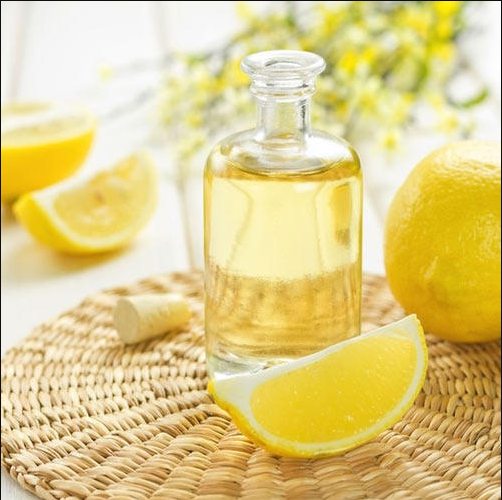
Avoid sunlight for at least 12 hours after using essential oils on your skin. Bergamot in particular is highly phototoxic, even in small amounts and in mixtures. Although oranges, lemons, grapefruit and tangerines have lower concentrations of phototoxic compounds than bergamot, it is still recommended to avoid direct sunlight or sunbeds during the same period.
Ingestion of essential oils
Some essential oils can be taken orally or used as an additive in cooking. Use them sparingly; Just a few drops are enough. Always follow the instructions in the package leaflet.
- When you ingest essential oils incorrectly or inadvertently, it can cause irritation of the mucous membranes. In rare cases, it can also lead to poisoning. For accurate and safe guidance, it is advisable to consult an aroma therapist.
- In case of overdose (more than 0.5 ml), swallow a quantity of vegetable oil and contact a poison control center as soon as possible:
- Belgium: +32 70 245 245
- Netherlands: +31 30 274 88 8
Babies and essential oils
Babies and essential oils
Essential oils can be sprayed/diffused and inhaled by children as young as 6 years old. Essential oils can be used by children from the age of 12, but preferably with the advice of a health professional or a certified aromatherapist.
Two exceptions to this general rule are the mild essential oils of eucalyptus radiata and true lavender, which can be sprayed/dispersed in the presence of children as young as 3 years old. Eucalyptus radiata is ideal for treating colds or stuffy noses in young children. Real lavender is great for relaxing babies and helping them sleep.
General precautions
Avoid contact with eyes and mucous membranes. In case of such contact, rinse thoroughly with clean water or some vegetable oil.
Keep essential oils out of the reach of children.
Store essential oils in a tightly closed bottle in a cool, dark place.
How the best oils compare
| Oil Name | Pros | Cons | Best For |
| Eden Botanicals Peppermint Essential Oil | energizing, cooling, fresh | not safe for people with G6PD deficiency, people taking certain medications, babies, children, or pets | IBS, and other GI conditions, headaches |
| Eden Botanicals Organic Lavender Essential Oil | calming, can use in massage oil | may cause an allergic reaction for some; unclear if it’s safe for pregnant or breastfeeding people | stress-relief, help with sleep |
| Eden Botanicals Tea Tree Oil | can be used to help dandruff, head lice, athlete’s foot | can irritate eyes, not pet-safe | antibacterial help for minor fungal infections |
| Eden Botanicals Bergamot Essential Oil | can be used as massage oil or body lotion | can be irritating to skin, can cause skin sensitivity to light | stress-relief, pain, and inflammation |
| Eden Botanicals German Blue Chamomile Oil | can also help with digestive issues (gas, nausea, indigestion) | may interact with some prescription medications, unclear if it’s safe for pregnant or breastfeeding people | anxiety relief |
| Eden Botanicals Jasmine Sambac Absolute Essential Oil | sensual and playful scent, mood-boosting | a blend that contains coconut oil (an allergen for some) | an aphrodisiac effect |
| Eden Botanicals Ylang Ylang Essential Oil | used in popular perfumes, budget-friendly, jasmine-like scent | can cause allergic reactions for some, especially toxic to pets | stress-relief, mood-boosting, sleep, similar to jasmine |
| Eden Botanicals Blue Gum Eucalyptus Essential Oil | can be used as insect repellent, can help with relaxation | can cause allergic reactions for some | nasal congestion, cough, reducing mildew odors |
| Eden Botanicals Rose Geranium Essential Oil | contains antioxidant and anti-inflammatory properties | can cause allergic reactions for some | rose aroma, skin care benefits, insect repellent |
| Eden Botanicals Patchouli Essential Oil | contains antibacterial and anti-inflammatory properties | unsafe for those taking blood thinners, those who recently had surgery, or those who have bleeding disorders | woodsy aroma, anti-inflammatory effect |
| Eden Botanicals Clary Sage Essential Oil | considered an aphrodisiac in some cultures | not a good choice for those with low blood pressure, not for use with pregnant people | relaxation, lowering blood pressure |
| Eden Botanicals Lemongrass Essential Oil | contains antibacterial, anti-inflammatory, and antifungal properties | may cause an allergic reaction for some, some possible side effects can include dizziness, drowsiness, increased appetite and urination, pregnant and breastfeeding people should avoid, those with conditions like diabetes, liver disease, asthma, and those undergoing chemotherapy should first talk to their doctor | relieving tension, help with anxiety, massages |
| Eden Botanicals Orange Essential Oil | can be used in a household cleaner | can cause an allergic reaction for some, can cause a painful skin reaction when used topically in the sun | lifting mood, lowering stress |
| Eden Botanicals Cedarwood Essential Oil | contains antifungal and antibacterial properties | must be avoided by people allergic to cedar | hair conditions like dandruff and hair loss, popular cologne fragrance |
| Eden Botanicals Sandalwood Essential Oil | contains anti-inflammatory and antimicrobial properties, contains antioxidants | can cause an allergic reaction for some | possibly helpful for skin conditions like acne, psoriasis, eczema |
How to Choose the Right Essential Oil for You
No matter what type of essential oil you prefer, try to choose one that has not been chemically produced. Chemical distillation can dilute or contaminate the essential oil, reducing its potency and aroma.
Essential oils that are packaged in amber or dark glass bottles last longer without discoloring. Do not buy oils in plastic, as this can change the oil and its aroma, or contaminate it.
Check the ingredients on the essential oil bottle to make sure it is pure and has no additives. Choose only oils with a label that states the oil inside is 100 percent pure.
Choose a product from a trusted manufacturer that is transparent about its sourcing and countries of origin.
If an essential oil label has outrageous health claims, steer clear. If in doubt, check with the National Center for Complementary and Integrative Health, a trusted source. Here you will find a list of botanicals used to make essential oils, along with claims, precautions and side effects.
How to use them
Essential oils are very strong and should always be diluted before using topically.
When using essential oils for aromatherapy, follow the instructions provided with your diffuser, as diffuser sizes vary. Typically, the ratio will be 3 to 5 drops of essential oil to 100 ml of water.
A good ratio for adults is 15 drops of essential oil to 6 or 7 teaspoons of carrier oil. Use essential oils sparingly for babies, about 3 to 5 drops to 6 tablespoons of carrier oil. You can always start with even fewer drops of essential oil.
Before using essential oils on your skin, it’s important to do a patch test. This test allows you to see how your skin will react to a particular substance before using it more widely.
To test the patch, follow these steps:
- Wash your arm with a mild, unscented soap.
- Pat your skin dry.
- Apply a few drops of diluted essential oil to a small area of your arm.
- Apply a bandage to the area, then wait 24 hours.
- If you feel any discomfort before the 24 hours are up, wash the area immediately with soap.
- After 24 hours, remove the bandage and look for signs of an adverse reaction. If you notice red, itchy or blistered skin, you should stop using the oil.
- Expiry dates.
- Note the expiration date before buying an oil, and keep in mind that bigger isn’t always better. Essential oils tend to expire and go bad. Don’t spend money on so much oil that you can’t use by the expiration date.
- Storage
- To preserve the freshness of your oil for the longest period of time, store it in a cool, dark place. It is not necessary to refrigerate essential oils, although cold temperatures will not harm them. If you want to refrigerate the oil, seal the bottle in an airtight bag so that the aroma of the oil does not affect your food. Keep them out of the reach of children and pets!
- Safety Tips
- To dilute, to dilute, to dilute
Essential oils are safe but potent and can sometimes cause irritation or allergies in some people. Do not use an essential oil that is derived from an ingredient or plant family that you are allergic to, and never apply it directly to the skin or hair, unless diluted with a carrier oil.
- Mix with oil before adding to water.
- Do not add essential oils to bath water, as they will not mix with water. Mix the essential oil of your choice with the carrier oil first. Then mix it in the bath water.
- Don’t use them.
- Never ingest essential oils.
Use with caution around pets
Essential oils can potentially help calm pets in certain situations, but this is not always the case. In some cases, essential oils can be irritating, harmful, or even fatal to dogs or cats. Always check with your pet’s vet before using essential oils in a home with pets.
Essential oils should never be left where a pet can ingest them, as they can be toxic if ingested. Remember that cats and dogs lick substances off their fur.
Be aware that they are not always right for children
Some essential oils are safe for children, but others may not be suitable for use. Consult your child’s pediatrician before use.
Frequently Asked Questions
Do I need a diffuser to use essential oils?
While diffusers are one of the more popular choices, there are other ways to use essential oils. You can inhale the oil of your choice directly from the bottle or dab it on some cotton and place it in the fan of your car. If you have a humidifier, you can add a few drops of oil to its tank. If you want to apply essential oils to your skin, remember to dilute the oil with a carrier oil first to avoid irritation or allergies. It is also important that you never ingest essential oils.
Can I apply essential oils directly to my skin?
Before using an essential oil on your skin, you should first dilute it with a carrier oil (such as almond oil or jojoba) – this is the safest way to apply essential oils topically. Remember, a patch test is always a good idea before using an oil on a large area of your skin. This way, you are likely to avoid irritation or allergic reactions.
Why do essential oils help the body and mind?
Your sense of smell is powerful — a certain scent can evoke happy feelings and memories, and not so good feelings. It’s not just anecdotal—there’s science behind smells and our emotions. According to a 2013 study, odors can affect psychological and physical states. Using certain essential oils, especially those that smell the best to you, can help you feel or enter a state of relaxation and well-being.
The carrier
Essential oils can give your home a pleasant aroma or a calming atmosphere. Some essential oils also have health benefits. Natural or organic oils that come from a trusted manufacturer are best.