All you need to know about Best Essential Oils
The Best Essential Oils
Your sense of smell enables you to powerfully experience your surroundings. Aromatherapy uses essential oils to enhance the sense of smell. They can also be mixed with a carrier oil and used directly on the skin or hair.
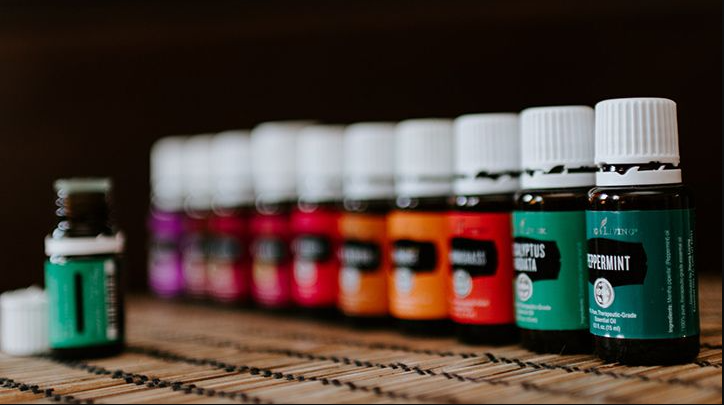
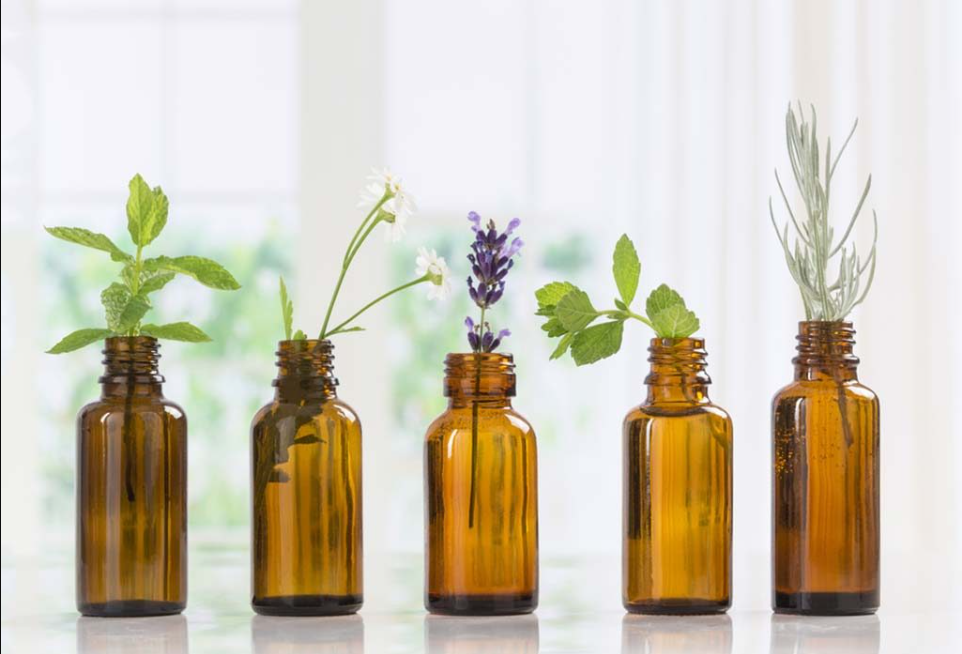
Distilled from the leaves, flowers, and seeds of plants, there are many types of essential oils. To help you sift through the essential oil shelves, we’ve compiled a list of oils with specific recommendations.
Although research shows that there are health benefits, the FDA does not monitor or regulate the purity or quality of essential oils. Before starting to use essential oils, it’s important to talk to a healthcare professional and be sure to research the brand’s product quality. Always do a patch test before trying a new essential oil.
A quick look at the best essential oils
- Best for digestive issues: Eden Botanicals Peppermint Essential Oil
- Best for sleep: Eden Botanicals Organic Lavender Essential Oil
- Best for fighting germs: Eden Botanicals Tea Tree Oil
- Best for massage oil: Eden Botanicals Bergamot Essential Oil
- Best for helping with anxiety: Eden Botanicals German Blue Chamomile Oil
- Best for romance: Eden Botanicals Jasmine Sambac Absolute Essential Oil
- Best Budget-Friendly Jasmine Alternative: Eden Botanicals Ylang Ylang Essential Oil
- Best for the common cold: Eden Botanicals Blue Gum Eucalyptus Essential Oil
- Best for rose scents: Eden Botanicals Rose Geranium Essential Oil
- Best for woody scents: Eden Botanicals Patchouli Essential Oil
- Best for High Blood Pressure: Eden Botanicals Clary Sage Essential Oil
- Best for stress relief: Eden Botanicals Lemongrass Essential Oil
- Best for mood enhancement: Eden Botanicals Orange Essential Oil
- Best for dandruff and hair loss: Eden Botanicals Cedarwood Essential Oil
- Best for skin benefits: Eden Botanicals Sandalwood Essential Oil
How We Picked Our Top Essential Oils
There is research: The essential oils on this list were chosen because they have proven benefits and are popular with many people. It’s important to keep in mind that research on essential oils as a whole is limited. More research is needed to understand how essential oils can help with common ailments.
Manufacturer Matters: Each comes from a trusted manufacturer that is transparent about oil extraction methods and plant sources.It’s clear how it was made: With the exception of jasmine extract, the essential oils on this list are produced by cold pressing or steam distillation.
It’s good for general use: All of these are considered suitable for aromatherapy and aromatherapy use and receive excellent customer reviews.
It is available in several sizes. Because Eden Botanicals offers its oils in different quantities—from samples to 16-ounce bottles and larger—there is also a wide range of price points, making it more flexible for your budget.
15 Best Essential Oils
- Excellent for digestive problems.
- Peppermint essential oil
- Best for: IBS and other GI conditions, headaches
- Pros: Energizing, cooling, fresh
- Disadvantages: Not safe for people with G6PD deficiency, those taking certain medications, babies, children or pets
- In addition to a pleasant aroma that many associates with the winter holidays, peppermint oil has health benefits for athletic performance and may improve symptoms of irritable bowel syndrome (IBS). It is also an option for some people looking to relieve headaches.
- Peppermint essential oil is obtained from the peppermint plant, Mentha x piperata, in the Pacific Northwest and is extracted by steam distillation.
- This oil from Eden Botanicals uses a steam distillation process (like many of the brand’s essential oils) and is extracted from the leaves of the plant. The brand also points out that instead of offering a sweet profile like peppermint candy, this oil has a grassy undertone. The company says the scent is distinct but still fresh and cool.
- Great for sleep
Lavender essential oil
- Best for: Stress relief, sleep aid
- Uses: Calming, can be used as a massage oil (when mixed with a carrier oil).
- Cons: May cause allergic reactions in some people. It is not clear if it is safe for people who are pregnant or breastfeeding.
Lavender essential oil provides a soothing and relaxing aroma. It is often used in aromatherapy to relieve stress. Lavender oil also makes an excellent massage oil when mixed with a carrier oil. Lavender is also a good choice for those looking to improve sleep.
An older systematic review looked at 15 studies to look at the effects of essential oils on sleep. The findings suggest that inhaling essential oils such as lavender is a consideration for people with mild sleep problems.
This essential oil is made from certified organically grown lavender and imported from France. It is steam distilled.
Great for fighting germs
- Tea tree oil
- Best for: Antibacterial and helpful for minor fungal infections
- Uses: Can be used to help dandruff, head lice, athlete’s foot.
- Cons: May cause eye irritation, not safe for pets.
- Consider tea tree (melaleuca) oil
Jasmine extract for aromatherapy
If you want to stick with an oil you feel confident using, there is a jasmine extract for aromatherapy made from a strain of Jasminum grandiflorum, also known as Spanish jasmine. It has a tantalizing scent that is not as strong as many jasmine essential oils.Buy Eden Botanicals jasmine extract online for aromatherapy.
Best budget-friendly jasmine alternative
- Ylang Ylang Essential Oil
- Best for: Stress relief, mood enhancement, sleep
- Pros: Used in popular perfumes, budget-friendly jasmine-like scents
- Cons: May cause allergic reactions to some people, especially toxic to pets
- Ylang Ylang has a light, floral aroma and is used in aromatherapy to reduce stress and tension. Some users say that it is also beneficial for insomnia.
- This ylang ylang oil comes from certified organic flowers and is steam distilled. The brand describes its fragrance as sweet and slightly spicy. The company also compares its scent to jasmine – stating that it is a cheaper alternative to jasmine’s scent profile.
As with other Eden Botanicals oils, read the Certificate of Analysis (COA) available in the product description to see the list of individual chemical ingredients.
Perfect for the common cold
- Eucalyptus essential oil
- Best for: Relieves nasal congestion, coughs, musty odors
- Pros: Can be used as an insect repellent, can help with relaxation
- Cons: May cause allergic reactions in some people.
- Eucalyptus essential oil’s refreshing and distinctive aroma can help eliminate moldy odors. Eucalyptus is also beneficial for calming coughs and relieving nasal congestion.
- This version can be used in humidifiers and other aromatherapy devices, such as diffusers. This special oil is steam distilled and extracted from the leaves of the plant. The brand describes its fragrance as sweet and soft.
- Perfect for rose scents
Rose Geranium Essential Oil
- Best for: Smells like roses, skin care benefits, insect repellent
- Benefits: Contains antioxidant and anti-inflammatory properties.
- Cons: May cause allergic reactions in some people.
- Rose geranium essential oil comes from a geranium plant whose leaves have a rose scent. Some users find that it helps repel flying and stinging insects. Others mix it with a carrier oil and use it as a facial treatment for dry skin. It is commonly used in cosmetics, lotions, soaps and perfumes.
- This essential oil is not organic, but gets high marks for purity and steam distillation. It is cultivated and cultivated in South Africa from the leaves of Pelargonium roseum and P. graveolens plants.
- Great for woody scents
Patchouli essential oil
- Best for: Woody aroma, anti-inflammatory effect
- Benefits: Contains antibacterial and anti-inflammatory properties.
- Cons: Unsafe for those on blood thinners, those who have recently had surgery, or those with bleeding disorders.
- Some people associate the scent of patchouli with the Woodstock era. Others enjoy its spicy, woody notes, or praise its antibacterial properties.
- Studies show that patchouli also has an anti-inflammatory effect. For example, a 2017 study in mice showed that an ingredient found in patchouli reduced inflammation (chemically active) in the mice’s ears and paws.
- This essential oil is USDA and Ecocert organic certified and sourced from Sri Lanka and India. The oil has a pleasant musky sweet aroma and is steam distilled.
Excellent for high blood pressure
- Clary sage essential oil
- Best for: Relaxation, lowering blood pressure
- Uses: Considered an aphrodisiac in some cultures.
- Cons: Not a good choice for people with low blood pressure, not for use by pregnant people.
- Clary sage oil is traditionally used as an eye health treatment, but recently, the flowering herb has been spotlighted for its ability to lower blood pressure.
- A small 2013 study by Trusted Source in women tested the effect of inhaling clary sage essential oil during stressful medical examinations. Research has found that inhaling the oil induces a sense of relaxation and even helps lower blood pressure.
- This clary sage essential oil from Eden Botanicals is from France, steam-distilled and sweet but slightly bitter. The brand says it’s made using plant leaves and flower tops. The company also notes that some cultures think of the herb as an aphrodisiac.
- Important: The product page warns that this essential oil should be avoided during pregnancy. Additionally, although clary sage has a history of traditional use as an eye treatment, remember that it is not safe to apply the essential oil to your eyes.
- Great for stress relief
Lemongrass essential oil
- Best for: Stress relief, anxiety relief, massage
- Benefits: Contains antibacterial, anti-inflammatory and antifungal properties.
- Disadvantages: May cause allergic reactions in some people — possible side effects include dizziness,

What are essential oils, and do they work?
- what are they
- How do they work?
- Types
- Benefits
- uses
- Tips for choosing
- Safety
The bottom line
Essential oils are often used in aromatherapy, a form of alternative medicine that uses plant extracts for health and wellness.However, some of the health claims associated with these oils are controversial.
This article explains everything you need to know about essential oils and their health effects.
What are essential oils?
- Essential oils are compounds extracted from plants.
- Oils capture the aroma and flavor or “essence” of the plant.
- Unique aromatic compounds give each essential oil its special essence.
- Essential oils are obtained by distillation (through steam and/or water) or mechanical methods, such as cold pressing.
- After the fragrance chemicals are extracted, they are combined with a carrier oil to create a product that is ready for use.
- The way the oil is made is important, as essential oils obtained through chemical processes are not considered true essential oils.
Abstract
Essential oils are concentrated plant extracts that retain the natural smell and taste or “essence” of their source.
How do essential oils work?
- Essential oils are most commonly used in the practice of aromatherapy, in which they are inhaled in a variety of ways.
- Essential oils are not meant to be swallowed.
- The chemicals in essential oils can interact with your body in many ways.
- When applied to your skin, some of the plant’s chemicals are absorbed ( 1 Trusted Source , 2 Trusted Source ).
- It is believed that certain methods of use can improve absorption, such as heat or application to different parts of the body. However, research in this area is lacking (3 Trusted Source, 4 Trusted Source).
- Breathing in aromas with essential oils can activate areas of your limbic system, the part of your brain that plays a role in emotions, behavior, sense of smell, and long-term memory ( 5 Trusted Source ).
- Interestingly, the limbic system is heavily involved in the formation of memories. This may partially explain why familiar smells can trigger memories or emotions ( 6 Trusted Source , 7 Trusted Source ).
- The limbic system also plays a role in controlling many unconscious bodily functions such as breathing, heart rate and blood pressure. Thus, some people claim that essential oils can have a physical effect on your body.
- However, this has yet to be confirmed in studies.
- Essential oils can be inhaled or diluted and applied to the skin. They can stimulate your sense of smell or have medicinal effects when absorbed.
- Popular varieties
- There are over 90 types of essential oils, each with their own unique aroma and potential health benefits.
- Here is a list of 10 popular essential oils and their associated health claims.
- Peppermint: Used to boost energy and aid digestion.
- Lavender: Used to relieve stress.
- Sandalwood: Used to calm nerves and focus.
- Bergamot: Used to reduce stress and improve skin conditions such as eczema.
- Rose: Used to improve mood and reduce anxiety.
- Chamomile: Used to improve mood and relaxation.
- Ylang-Ylang: Used to treat headaches, nausea, and skin conditions.
- Tea Tree: Used to fight infection and boost immunity.
- Jasmine: Used to help with depression, childbirth, and libido
- Lemon: Used to aid digestion, mood, headaches, and more.
Abstract
There are more than 90 commonly used essential oils, each associated with certain health claims. Popular oils include peppermint, lavender, and sandalwood.Health benefits of essential oils
Despite their widespread use, little is known about the potential of essential oils to treat certain health conditions.Here’s a look at the evidence for some common health problems that essential oils and aromatherapy have been used to treat.
Stress and anxiety
It’s estimated that 43% of people with stress and anxiety use some form of alternative therapy to help relieve their symptoms (8Trusted Source).
Regarding aromatherapy, early studies have been quite positive. Many people have shown that the smell of certain essential oils can work alongside traditional therapy to treat anxiety and stress ( 9 Trusted Source , 10 Trusted Source , 11 Trusted Source ).
However, due to the aromaticity of the compounds, it is difficult to perform a blinded study and rule out biases. Thus, many reviews on the stress and anxiety-relieving effects of essential oils have been inconclusive (12, 13Trusted Source).
Interestingly, using essential oils during a massage can help relieve stress, although the effects may only last as long as the massage lasts ( 14 Trusted Source ).
A recent review of more than 201 studies found that only 10 were sufficiently strong for analysis. It also concluded that aromatherapy was ineffective in treating anxiety ( 15Trusted Source ).
Headaches and migraines
In the 1990s, two small studies found that rubbing a mixture of peppermint oil and ethanol on participants’ foreheads and temples provided headache relief.
Other uses
- Essential oils have many uses outside of aromatherapy.
- Many people use them to scent their homes or freshen things like laundry.
- They are also used as natural fragrances in household cosmetics and high quality natural products.
- Furthermore, it has been suggested that essential oils may provide a safer and more environmentally friendly alternative to man-made mosquito repellents, such as DEET.
- However, results regarding their effectiveness are mixed.
- Studies show that some oils, such as citronella, can repel certain types of mosquitoes for about 2 hours. The protection time can be extended up to 3 hours when used with vanillin.
- Additionally, the properties of essential oils suggest that some of them can be used industrially to extend the shelf life of foods ( 39 Trusted Source , 40 Trusted Source , 41 Trusted Source , 42 Trusted Source ).
Abstract
Aromatherapy is not just about using essential oils. They can be used in and around the home, as natural mosquito repellents, or industrially to make cosmetics.
How to choose the right essential oil
Many companies claim that their oils are “pure” or “medical grade.” However, these terms are not universally defined and therefore carry less weight.
Given that they are products of an unregulated industry, the quality and composition of essential oils can vary greatly (43Trusted Source).
Keep the following tips in mind to choose only high-quality oil:
- Purity: Look for an oil that contains only aromatic plant compounds, without any additives or artificial oils. Pure oils usually list the botanical name of the plant (such as Lavandula officinalis) rather than terms like “lavender essential oil.”
- Quality: True essential oils are those that have been minimally altered by the extraction process. Choose chemical-free essential oils that have been extracted by distillation or mechanical cold pressing.
- Reputation: Buy a brand with a reputation for producing high-quality products.
Abstract
High-quality oils use only pure plant compounds that are extracted by distillation or cold pressing. Avoid oils that have been mixed with artificial fragrances, chemicals or oils.
Safety and side effects
- Just because something is natural doesn’t mean it’s safe.
- Plant and herbal products contain many biological compounds that can harm your health, and essential oils are no different.
- However, most essential oils are considered safe when inhaled or mixed with a base oil for use on your skin. Be sure to consider others in your environment who may be inhaling the scent, including pregnant women, children and pets.
- However, they can cause some side effects, including ( 44 Trusted Source ):
- The spots
- Asthma attacks
- Headache
- Allergic reactions
- Although the most common side effect is a rash, essential oils can cause more serious reactions, and have been linked to one case of death ( 45Trusted Source ).
- Oils commonly associated with adverse reactions are lavender, peppermint, tea tree, and ylang ylang.
- Oils that are high in phenols, such as cinnamon, can cause skin irritation and should not be mixed with base oils on the skin. Meanwhile, essential oils made from citrus fruits increase the skin’s reaction to sunlight and can cause burning.
- Swallowing essential oils is not recommended, as doing so can be harmful and even fatal in some doses ( 46 , 47Trusted Source ).
- Few studies have examined the safety of these oils for pregnant or breastfeeding women, who are generally advised to avoid them ( 48 , 49 , 50 , 51 , 52 Trusted Source ).
Abstract
Essential oils are generally considered safe. However, they can cause serious side effects for some people, especially if applied directly to the skin or ingested.
The bottom line
Essential oils are generally considered safe to inhale or apply to the skin if they are mixed with a base oil. They should not be eaten.However, evidence supporting many of their associated health claims is lacking, and their effectiveness is often overstated.For minor health problems, using essential oils as a complementary treatment is harmless.However, if you have a serious health condition or are taking medication, you should discuss their use with your healthcare practitioner.
Can Essential Oils Relieve Inflammation?
- research
- use
- DANGERS AND WARNINGS
- take away
- Understanding inflammation
- You can’t avoid essential oils these days, but can you really use them? People who use essential oils claim that they help with everything from relaxation and sleep to reducing inflammation in the body.
- Inflammation occurs in the body when the immune system is activated. Inflammation can have many different causes, such as an infection or a reaction to a food allergy. The body senses something is wrong, so it sends blood cells to the area to help repair what’s wrong and kill any “invaders.”
- However, not all inflammation is good. Your body can’t necessarily tell if something is wrong or if you’re stressed because of a big work project. Either way, it will create inflammation to try to help in any way. Over time, this can wear out your immune system or cause problems in other parts of your body.
What does the research say?
Antioxidants can reduce the harmful effects of inflammation in the body. This is why you hear so much about the importance of eating foods rich in antioxidants to keep you healthy. Some researchers have also looked at whether essential oils can be used as antioxidants to help reduce inflammation. Although research is limited, there is some evidence to suggest that essential oils help.A 2010 study found that the following essential oils have anti-inflammatory properties:
- Time
- Clove
- rose
- Eucalyptus
- Fennel Seed
- Bergamot
- The researchers found that these oils reduced the expression of the inflammatory COX-2 enzyme by at least 25 percent. Thyme essential oil had the greatest effects, reducing COX-2 levels by about 75%.
The National Association of Holistic Aromatherapy also lists many oils that can reduce inflammation, including:
- Roman Chamomile
- Ginger
- Helichrysum
- Patchouli
How to use essential oils for inflammation
Since inflammation affects the entire body, essential oils can be used to treat it in a few different ways:
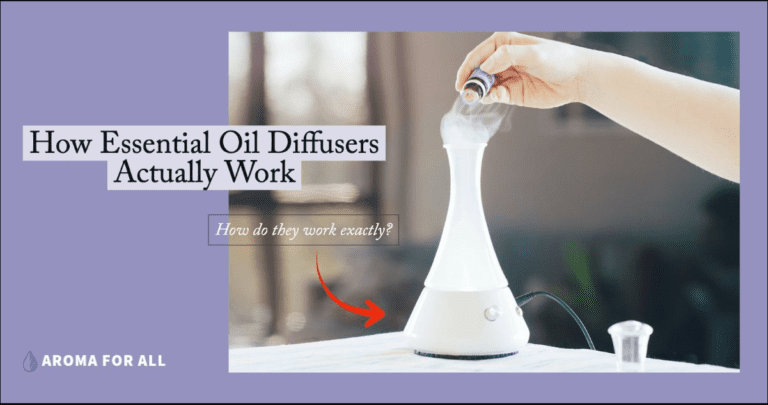
Diffuse: You can buy an essential oil diffuser online or at stores like Wal-Mart or CVS. A diffuser will allow essential oil particles to disperse directly into the air. Inhaling the scent can help you relax. If your inflammation is related to stress, it may be beneficial.
Massage: You can apply diluted essential oil directly to the affected area to help reduce swelling and pain.
By mouth: Although rare, there are some types of essential oils that are intended for gargling. In a 2011 review, researchers found that using an essential oil mouthwash was helpful in reducing inflammation caused by gingivitis. Be sure to consult your doctor before trying this method. Essential oils are not meant to be swallowed.
If you plan to use essential oils primarily, there are a few things you should keep in mind. You should never apply undiluted essential oils to the skin. Be sure to add 1 ounce of carrier oil, such as coconut or jojoba, for every dozen drops of essential oil.
Before applying, do a skin patch test. This is usually done under the arm. This will allow you to determine if your skin is reacting badly. If you do not experience any irritation or inflammation within 24 hours, it should be safe to use.
DANGERS AND WARNINGS
Using essential oils to reduce inflammation is not a first-line treatment. If you have inflammation in your body, it means that somewhere in your body, something is crying out for help.
To really treat inflammation in your body, you have to go to the source. Consult your doctor so they can help you figure out what’s wrong. You don’t want to “mask” inflammation with essential oils without correcting the underlying medical problem.
In some cases, if you are sensitive to a certain essential oil or have an allergic reaction, you can make your inflammation worse. Use caution if you have asthma or other respiratory conditions.If you are pregnant or breastfeeding, you should use caution when using any type of essential oil.
What should you do now?
Consult your doctor if you experience unusual or persistent inflammation. They can work with you to determine the cause and figure out how to best alleviate the pain you’re experiencing.
In the meantime, you can try using essential oils or more traditional remedies for inflammation. These include taking an anti-inflammatory medication, such as ibuprofen, or using heat or cold therapy to relieve discomfort.
Essential Oils for Heart Health: What You Need to Know
When it comes to the leading cause of death in the United States, heart disease beats all others. And this is true for both men and women. Heart disease kills 610,000 people in the United States each year—that’s about 1 in every 4 deaths.
Reducing your risk of heart disease involves making simple lifestyle changes, such as quitting smoking, cutting down on alcohol, smart eating habits, exercising daily, and monitoring your cholesterol and blood pressure.
Is aromatherapy good for your heart?
Used medicinally for centuries, essential oils are aromatic compounds derived primarily from the flowers, leaves, wood, and seeds of plants.
Essential oils are meant to be inhaled or diluted in a carrier oil and applied to the skin. Do not apply essential oils directly to the skin. Do not take essential oils. Some are poisonous.
Most researchers agree with Trusted Source that there is no conclusive evidence that aromatherapy has a therapeutic effect on people with heart disease, but there is some evidence that aromatherapy can reduce anxiety and stress. , which are risk factors for high blood pressure. A 2012 study found that aromatherapy using essential oils can lower blood pressure through relaxation.
However, it’s worth noting that only short bursts of aromatherapy are helpful. According to the same study, exposure lasting more than an hour has the opposite effect.
If you want to try using essential oils to reduce your risk of heart disease, here are some of your best bets:
Tulsi
This “royal herb” pops up in pesto, soup, and pizza. It packs a solid dose of vitamin K and magnesium. Also, basil leaf extract appears to be a potentially reliable source of lowering your bad cholesterol levels, otherwise known as LDL (low-density lipoprotein). LDL plays an important role in atherosclerosis by depositing fat molecules along artery walls.
Cassia
Keeping your blood sugar levels in check can prevent not only diabetes but also heart disease. This is because uncontrolled high blood glucose can increase the amount of plaque that builds up on your artery walls. Research shows that cassia flower extract lowers blood glucose levels while increasing plasma insulin.
- Healthline Newsletter
- Get our weekly heart health email.
- To help you take good care of your heart, we’ll send you guidance on managing high blood pressure, cholesterol, nutrition and more.
- Learn how small daily changes can improve your cholesterol.
- Your privacy is important to us.
Clary Baba
Korean research shows that the vapors of the oil from the white-pink flowers of this broad-leaved shrub are effective in lowering systolic blood pressure (the top number in blood pressure readings).
Cypress
Stress and anxiety have a direct impact on blood pressure and overall heart health. Consider cypress oil, a trusted source for short-term relaxation, ease, and relief from fatigue when used in an aromatherapy massage.
Eucalyptus
Commonly used in cold relief products like cough drops, eucalyptus is also good for your heart. According to a study, breathing air with eucalyptus oil can significantly lower your blood pressure.
Ginger
A staple of Asian cuisine, mildly sweet-smelling ginger not only has antioxidant properties and helps with nausea, but drinking ginger extract in water also shows promise in preventing LDL Trusted Source.
Helichrysum
Perhaps not as recognizable as others on this list, helichrysum, with its reddish flowers, came up in a study that focused on its cardiovascular effects. This proved to be another possible option for the management of high blood pressure.
Lavender
A long-time reality of backyard gardens, this blue-violet flower finds its way into perfumes, soaps, and is even relied upon to repel mosquitoes. Research on the scent of lavender oil has found that it induces an overall calm and relaxed mood in those who inhale it.
Marjoram
When inhaled, the oil of this Mediterranean herb (and a close relative of oregano) lowers blood pressure Trusted Source . It relaxes blood vessels by stimulating the parasympathetic nervous system, which improves blood flow.
Ylang-ylang
In 2013, researchers looked at how inhaling the scent of the flowers of this native Southeast Asian tree would affect a group of healthy men. They reported to Trusted Source that the scent had a somewhat sedative response, and it lowered both their heart rate and blood pressure.
The best essential oils for your skin
- Dry skin
- Smooth skin
- Sensitive skin
- Acne
- Skin conditions
- Pigmentation
- The opposite age
- How to use
- Precautions
- Where to buy
Abstract
We add products that we think are useful to our readers. If you make a purchase through the links on this page, we may earn a small commission. Here is our process.
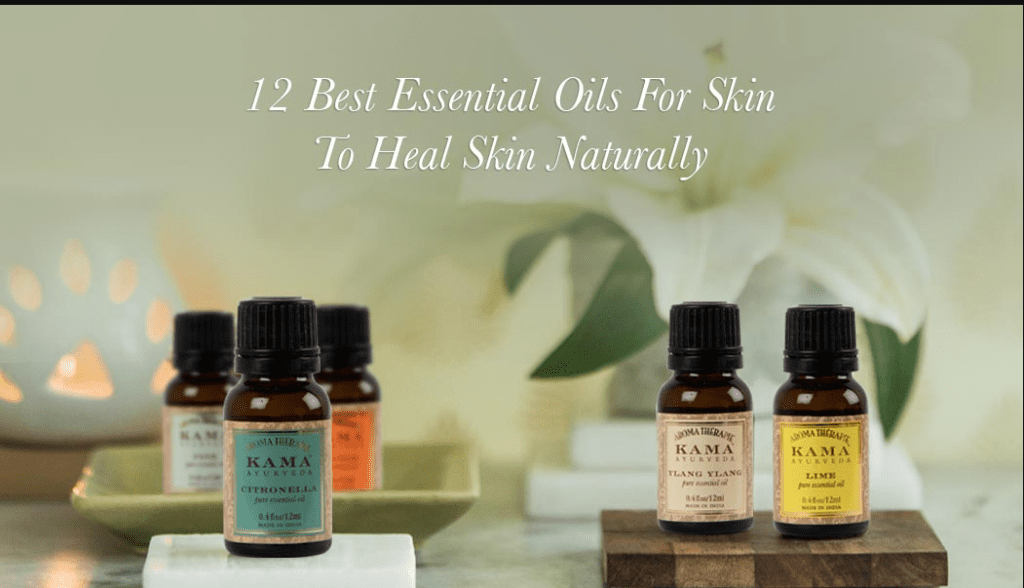
Essential oils are plant extracts made from flowers, leaves and seeds. Some may have properties that can treat certain skin conditions.
If you’re interested in trying specific essential oils for your skin concerns, consider talking to your dermatologist about the following options.
Essential oils for dry skin
Dry skin can occur at certain times of the year as well as in climates such as the desert. Your skin may even naturally dry out with age or the sebaceous (oil) glands in your pores may become less active.Dry skin is often treated with creams and moisturizers, but some essential oils can provide relief.
Lavender
You may have heard of lavender’s uses for sleep and relaxation, but this multi-purpose oil can also help balance your skin’s moisture levels. It is an anti-inflammatory that can reduce redness and is a natural hydrator that can heal dry skin without making it too greasy.
Chamomile
Chamomile oil contains azuline, which is known to increase moisture and reduce inflammation. However, you may want to avoid it if you are allergic to ragweed, as chamomile can be a stimulant.
Sandal wood
Sandalwood contains compounds that reduce inflammation while promoting moisture in the skin.
Essential oils for oily skin
- If you have oily skin, your sebaceous glands are overactive, producing excess oil on the surface of your skin. Factors like humidity, heat and hormones can make oily skin worse. The following essential oils can help treat oily skin problems.
- Clary Baba
- Containing active compounds like linyl acetate and geranyl, clary sage is known as an essential oil to control excess sebum. Clary sage can also help control acne and reduce the appearance of wrinkles in mature skin.
- Rosemary
- Rosemary oil is known for its anti-inflammatory, stimulant and analgesic properties. Its key ingredients, such as esters, can help keep excess sebum at bay. In fact, researchers have noted that it can help with both oily hair and dandruff, and can even stimulate hair growth.
- Frankincense
- Although research on frankincense in skin care is lacking, proponents say it can help clear oily and acne-prone skin while providing lipids for aging skin.
- Geranium
- With its alkaline properties, geranium is said to help balance skin oils. Such alkalinity makes geranium an important addition to soaps, and is helpful in evening out hydration levels.
- Neroli
- Neroli is another essential oil that contains citral. It can help balance sebum without drying out your skin.
- Best essential oils for sensitive skin
- Sensitive skin can be either dry or oily and can sometimes be accompanied by allergies, eczema and other skin conditions.
- If you have sensitive skin, you may want to avoid oils that are acidic, such as lemon and lemongrass. The following oils are considered safe for all skin types.
- Lavender
- Frankincense
- Sandal wood
- Healthline Challenge
- Want to pump the brakes on skin aging?
- No glass skin myths or clever buzzwords. Just 7 days of simple, science-backed advice to take care of the skin you’re in.
Essential oils for acne-prone skin
With acne, it’s important to remove excess oil and bacteria without drying out the skin, as this can increase oil production. Inflammation can be another important factor in acne breakouts.
Both rosemary and frankincense are known to treat acne by reducing microbes and inflammation. Clary sage is also used on acne and oily skin. The following oils can also help acne-prone skin types.
lime
Lemon essential oil, obtained from the peel of the citrus fruit, can help fight inflammation and free radicals that can contribute to acne and pigmentation.
Lemongrass
Lemongrass also has natural astringent properties. These can help fight pimples by acting as an antimicrobial while also removing excess dead skin cells.
cinnamon
Cinnamon essential oil is also considered a powerful anti-inflammatory thanks to key antioxidant compounds such as cinnamic acid. It can help with the symptoms of acne inflammation such as cysts, nodules and pustules.
Tea tree
Derived from the melaleuca tree, tea tree oil is one of the most notable antiseptics in alternative medicine. It helps fight bacteria and inflammation, both of which can contribute to acne breakouts.
Essential oils for itchy skin
- Certain essential oils also have the ability to balance moisture and soothe irritated skin. These include atopic dermatitis (eczema) and psoriasis.
- What are the intended benefits and uses of PanAway essential oils?
- Ingredients
- Desired benefits
- DIY PanAway
- Oil for sore muscles
- Oils for skin care
- Precautions
take away
Essential oils have been used for thousands of years in everything from medicine to fragrances. But with nearly 400 different essential oils extracted from plants around the world, it can be difficult to know which oil might best meet your needs.
Many manufacturers address this issue by creating essential oil blends that target specific health concerns. PanAway oil is one such compound. It is marketed to relieve muscle aches and pains. But to date, there is no evidence to support the manufacturer’s marketing claims.
We will look at the key ingredients of PanAway oil as well as its purported benefits and uses. We will also discover that other essential oils can offer similar benefits.
What is PanAway Oil?
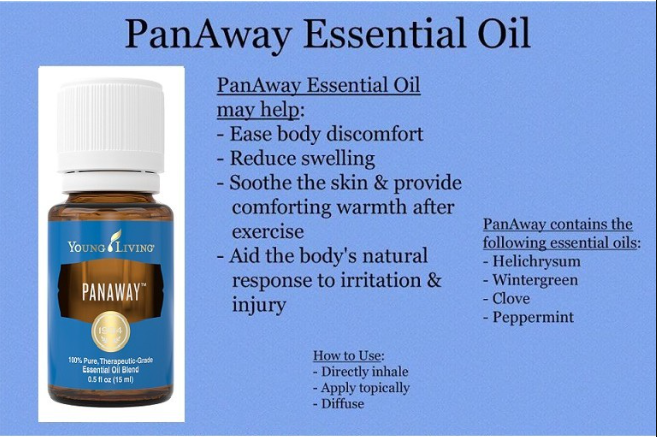
- PanAway Oil is an essential oil blend produced by Young Living Company. It contains the following essential oils:
- Winter green
- Clove
- Helichrysum
- Peppermint
Purported Benefits and Uses of PanAway Oil
PanAway Oil is intended to be applied topically to relieve sore muscles after exercise. It is also marketed as a product that can soothe the skin and improve its appearance. However, there are no clinical studies that confirm these claims.
Precautions
Because it can cause photosensitivity, you should avoid direct sunlight and ultraviolet rays for 12 hours after applying PanAway oil to your skin.
Can you make your own PanAway mix?
PanAway oil is a blend of essential oils, meaning it is possible to create your own “PanAway” formula by mixing the ingredients listed. However, you will need to experiment with the percentage of each oil to add to your blend.
Better yet, you can consider using pure essential oils that can provide similar benefits in terms of muscle pain relief and skin care. Read on to learn about some of these oils, and the benefits they bring to the table.
Essential oils for sore muscles
There are many essential oils that can be used to soothe sore muscles. Some essential oils can also be used to treat joint pain and inflammation, which are symptoms associated with conditions such as rheumatoid arthritis.
Best practices for essential oils
Before you start experimenting with essential oils, here are some best practices to follow:
Always dilute essential oils with a carrier oil (such as coconut or jojoba oil) before applying to your skin.
Do a patch test before use (apply to a small area of your skin, and wait 24 hours to see if irritation occurs).
Many essential oils are toxic so do not ingest and keep out of reach of children and pets.
Use pure essential oils from reputable manufacturers.
Check with a doctor to make sure the essential oil you’re considering doesn’t interact with any medications you’re taking.
Peppermint oil
In terms of reducing inflammation, peppermint may be the essential oil of choice. It naturally contains menthol and limonene, which can promote healing. The oil may also potentially help with migraines, and some evidence suggests that it may also be helpful for headaches.
Peppermint oil is known for its anti-inflammatory, analgesic, anti-infective, antimicrobial, and antiseptic properties. However, it’s worth noting that peppermint can cause side effects, such as heartburn or nausea, and can interact with certain medications.
Orange oil
Orange oil is another option you may want to consider if you want to reduce inflammation. It also contains natural antioxidants, but may cause photosensitivity. For this reason, you may want to avoid applying it to exposed skin before going out in the sun.
Eucalyptus oil
Eucalyptus oil contains cineole, aromidandrene, limonene, terpene, cymene, phyllandrene, and pinene. While these oils are thought to help with problems such as headaches, they are also believed to help with muscle and joint pain.Eucalyptus oil has also been proven to be a reliable source of antioxidants with anti-inflammatory properties.With properties similar to eucalyptus, lavender Trusted Source may be able to provide relief from common aches and pains. It is also thought to reduce headaches.
If you’re looking for a way to soothe your skin and improve its overall appearance, there are several essential oils you can try.
Lemon oil
Lemon essential oil contains antioxidants, which help to brighten and rejuvenate dull skin. It also has antiseptic, astringent and detoxifying properties. A reliable source that can help eliminate blemishes associated with oily skin.
Tea tree oil
Tea Tree Oil Trusted Source can potentially help if you’re looking to get rid of oily skin as well. Tea trees, in general, have antibacterial, anti-inflammatory, antiviral, insecticidal, and immune-stimulating properties.
Clary sage oil
Finally, don’t rule out clary sage essential oil.
How the best oils compare
| Oil Name | Pros | Cons | Best For |
| Eden Botanicals Peppermint Essential Oil | energizing, cooling, fresh | not safe for people with G6PD deficiency, people taking certain medications, babies, children, or pets | IBS, and other GI conditions, headaches |
| Eden Botanicals Organic Lavender Essential Oil | calming, can use in massage oil | may cause an allergic reaction for some; unclear if it’s safe for pregnant or breastfeeding people | stress-relief, help with sleep |
| Eden Botanicals Tea Tree Oil | can be used to help dandruff, head lice, athlete’s foot | can irritate eyes, not pet-safe | antibacterial help for minor fungal infections |
| Eden Botanicals Bergamot Essential Oil | can be used as massage oil or body lotion | can be irritating to skin, can cause skin sensitivity to light | stress-relief, pain, and inflammation |
| Eden Botanicals German Blue Chamomile Oil | can also help with digestive issues (gas, nausea, indigestion) | may interact with some prescription medications, unclear if it’s safe for pregnant or breastfeeding people | anxiety relief |
| Eden Botanicals Jasmine Sambac Absolute Essential Oil | sensual and playful scent, mood-boosting | a blend that contains coconut oil (an allergen for some) | an aphrodisiac effect |
| Eden Botanicals Ylang Ylang Essential Oil | used in popular perfumes, budget-friendly, jasmine-like scent | can cause allergic reactions for some, especially toxic to pets | stress-relief, mood-boosting, sleep, similar to jasmine |
| Eden Botanicals Blue Gum Eucalyptus Essential Oil | can be used as insect repellent, can help with relaxation | can cause allergic reactions for some | nasal congestion, cough, reducing mildew odors |
| Eden Botanicals Rose Geranium Essential Oil | contains antioxidant and anti-inflammatory properties | can cause allergic reactions for some | rose aroma, skin care benefits, insect repellent |
| Eden Botanicals Patchouli Essential Oil | contains antibacterial and anti-inflammatory properties | unsafe for those taking blood thinners, those who recently had surgery, or those who have bleeding disorders | woodsy aroma, anti-inflammatory effect |
| Eden Botanicals Clary Sage Essential Oil | considered an aphrodisiac in some cultures | not a good choice for those with low blood pressure, not for use with pregnant people | relaxation, lowering blood pressure |
| Eden Botanicals Lemongrass Essential Oil | contains antibacterial, anti-inflammatory, and antifungal properties | may cause an allergic reaction for some, some possible side effects can include dizziness, drowsiness, increased appetite and urination, pregnant and breastfeeding people should avoid, those with conditions like diabetes, liver disease, asthma, and those undergoing chemotherapy should first talk to their doctor | relieving tension, help with anxiety, massages |
| Eden Botanicals Orange Essential Oil | can be used in a household cleaner | can cause an allergic reaction for some, can cause a painful skin reaction when used topically in the sun | lifting mood, lowering stress |
| Eden Botanicals Cedarwood Essential Oil | contains antifungal and antibacterial properties | must be avoided by people allergic to cedar | hair conditions like dandruff and hair loss, popular cologne fragrance |
| Eden Botanicals Sandalwood Essential Oil | contains anti-inflammatory and antimicrobial properties, contains antioxidants | can cause an allergic reaction for some | possibly helpful for skin conditions like acne, psoriasis, eczema |
How to Choose the Right Essential Oil for You
No matter what type of essential oil you prefer, try to choose one that has not been chemically produced. Chemical distillation can dilute or contaminate the essential oil, reducing its potency and aroma.
Essential oils that are packaged in amber or dark glass bottles last longer without discoloring. Do not buy oils in plastic, as this can change the oil and its aroma, or contaminate it.
Check the ingredients on the essential oil bottle to make sure it is pure and has no additives. Choose only oils with a label that states the oil inside is 100 percent pure.
Choose a product from a trusted manufacturer that is transparent about its sourcing and countries of origin.
If an essential oil label has outrageous health claims, steer clear. If in doubt, check with the National Center for Complementary and Integrative Health, a trusted source. Here you will find a list of botanicals used to make essential oils, along with claims, precautions and side effects.
How to use them
Essential oils are very strong and should always be diluted before using topically.
Ratio of the diffuser
When using essential oils for aromatherapy, follow the instructions provided with your diffuser, as diffuser sizes vary. Typically, the ratio will be 3 to 5 drops of essential oil to 100 ml of water.
Reduction rate
A good ratio for adults is 15 drops of essential oil to 6 or 7 teaspoons of carrier oil. Use essential oils sparingly for babies, about 3 to 5 drops to 6 tablespoons of carrier oil. You can always start with even fewer drops of essential oil.
Patch test
- Before using essential oils on your skin, it’s important to do a patch test. This test allows you to see how your skin will react to a particular substance before using it more widely.
- To test the patch, follow these steps:
- Wash your arm with a mild, unscented soap.
- Pat your skin dry.
- Apply a few drops of diluted essential oil to a small area of your arm.
- Apply a bandage to the area, then wait 24 hours.
- If you feel any discomfort before the 24 hours are up, wash the area immediately with soap.
- After 24 hours, remove the bandage and look for signs of an adverse reaction. If you notice red, itchy or blistered skin, you should stop using the oil.
- Expiry dates.
- Note the expiration date before buying an oil, and keep in mind that bigger isn’t always better. Essential oils tend to expire and go bad. Don’t spend money on so much oil that you can’t use by the expiration date.
Storage
- To preserve the freshness of your oil for the longest period of time, store it in a cool, dark place. It is not necessary to refrigerate essential oils, although cold temperatures will not harm them. If you want to refrigerate the oil, seal the bottle in an airtight bag so that the aroma of the oil does not affect your food. Keep them out of the reach of children and pets!
Safety Tips
- To dilute, to dilute, to dilute
- Essential oils are safe but potent and can sometimes cause irritation or allergies in some people. Do not use an essential oil that is derived from an ingredient or plant family that you are allergic to, and never apply it directly to the skin or hair, unless diluted with a carrier oil.
- Mix with oil before adding to water.
- Do not add essential oils to bath water, as they will not mix with water. Mix the essential oil of your choice with the carrier oil first. Then mix it in the bath water.
- Don’t use them.
- Never ingest essential oils.
Use with caution around pets
Essential oils can potentially help calm pets in certain situations, but this is not always the case. In some cases, essential oils can be irritating, harmful, or even fatal to dogs or cats. Always check with your pet’s vet before using essential oils in a home with pets.
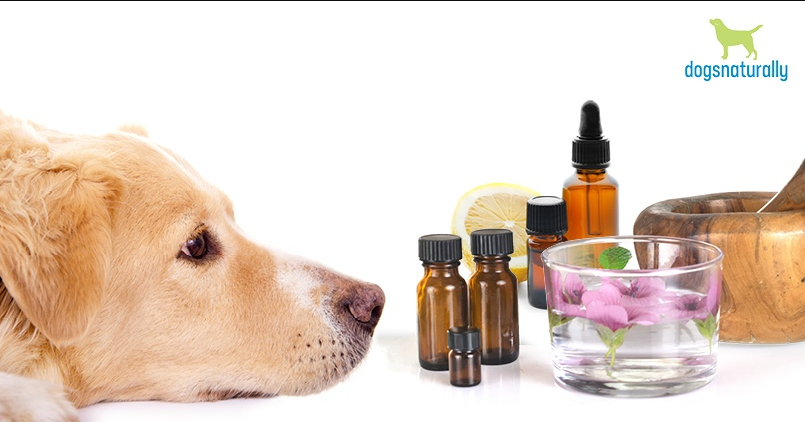
Essential oils should never be left where a pet can ingest them, as they can be toxic if ingested. Remember that cats and dogs lick substances off their fur.
Be aware that they are not always right for children
Some essential oils are safe for children, but others may not be suitable for use. Consult your child’s pediatrician before use.
Frequently Asked Questions
Do I need a diffuser to use essential oils?
While diffusers are one of the more popular choices, there are other ways to use essential oils. You can inhale the oil of your choice directly from the bottle or dab it on some cotton and place it in the fan of your car. If you have a humidifier, you can add a few drops of oil to its tank. If you want to apply essential oils to your skin, remember to dilute the oil with a carrier oil first to avoid irritation or allergies. It is also important that you never ingest essential oils.
Can I apply essential oils directly to my skin?
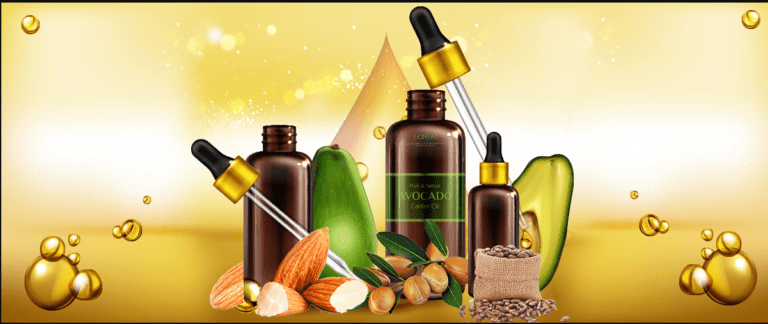
Before using an essential oil on your skin, you should first dilute it with a carrier oil (such as almond oil or jojoba) – this is the safest way to apply essential oils topically. Remember, a patch test is always a good idea before using an oil on a large area of your skin. This way, you are likely to avoid irritation or allergic reactions.
Why do essential oils help the body and mind?
Your sense of smell is powerful — a certain scent can evoke happy feelings and memories, and not so good feelings. It’s not just anecdotal—there’s science behind smells and our emotions. According to a 2013 study, odors can affect psychological and physical states. Using certain essential oils, especially those that smell the best to you, can help you feel or enter a state of relaxation and well-being.
The carrier
Essential oils can give your home a pleasant aroma or a calming atmosphere. Some essential oils also have health benefits. Natural or organic oils that come from a trusted manufacturer are best.