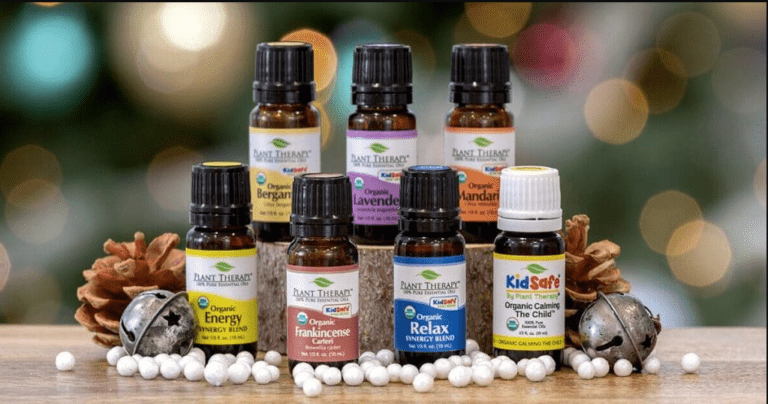
Top best Essential oils for your skin
Essential oils for skin
Rejuvenating balms are planted removes produced using blossoms, leaves, and seeds. Some might have properties that can treat specific skin conditions.
Assuming you’re keen on attempting rejuvenating ointments well defined for your skin concerns, think about conversing with your dermatologist regarding the accompanying choices.
Rejuvenating oils for dry skin
Dry skin can happen during specific seasons, as well as in desert-like environments. You might try and have dry skin normally from age or diminished action in the sebaceous (oil) organs in your pores.
Dry skin is frequently cured with creams and lotions, yet a few natural ointments could give help.
Lavender
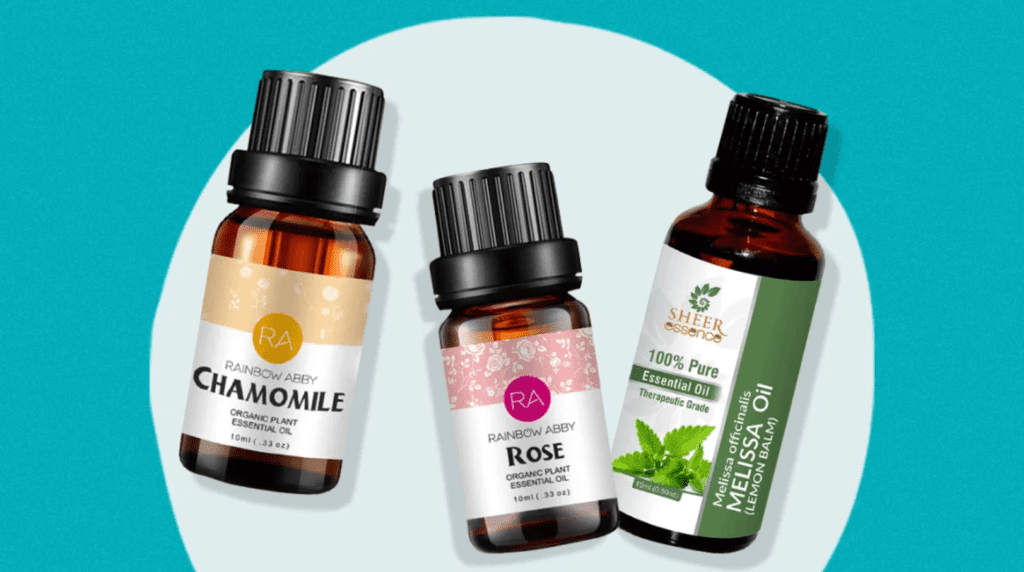
You might have found out about involving lavender for rest and unwinding, however this multipurpose oil may likewise assist with offsetting dampness levels in your skin. It’s a calming that can diminish redness and a characteristic hydrator that can fix dry skin without making it excessively oily.
Chamomile
Chamomile oil contains azulene, known for expanding dampness and lessening aggravation. Notwithstanding, you might need to keep away from it in the event that you have ragweed sensitivities, as chamomile might be a trigger.
Sandalwood
Sandalwood contains compounds known for decreasing aggravation while advancing dampness in the skin.
Natural balms for slick skin
Assuming that you have sleek skin, your sebaceous organs are in overdrive, making extreme oil on the outer layer of your skin. Factors like dampness, intensity, and chemicals can exacerbate sleek skin. The accompanying medicinal balms might assist with lightening sleek skin issues.
Clary sage
Containing dynamic mixtures like linalyl acetic acid derivation and geranyl, clary sage is known as a go-to medicinal ointment for controlling overabundance sebum. Clary sage may likewise assist with controlling skin break out and diminish the presence of kinks in mature skin.
Rosemary
Rosemary oil is noted for its calming, invigorating, and pain relieving properties. Its key fixings, like esters, may assist with keeping abundance sebum under control. Truth be told, scientists have noted it can assist with both oily hair and dandruff, and may try and invigorate hair development.
Frankincense
Despite the fact that examination of frankincense in healthy skin is deficient with regards to, advocates say it can help reduce sleek and skin inflammation inclined skin while giving lipids to maturing skin.
Geranium
With its basic properties, geranium is said to assist with offsetting skin oils. Such alkalinity makes geranium a critical expansion to cleansers, and it’s useful in night out hydration levels.
Neroli
Neroli is another rejuvenating balm that contains citral. It might assist with offsetting sebum without drying your skin.
Best natural oils for touchy skin
Delicate skin can be either dry or sleek, and can some of the time happen close by sensitivities, dermatitis, and other skin conditions.
Assuming you have delicate skin, you’ll need to avoid oils that are exceptionally acidic, like lemon and lemongrass. The accompanying oils are viewed as safe for all skin types:
lavender
frankincense
sandalwoodEssential oils for skin inflammation inclined skin
With skin inflammation, it’s vital that you eliminate overabundance oils and microscopic organisms without drying the skin, as this can prompt expanded oil creation. Aggravation can be one more contributing element to skin inflammation breakouts.
Both rosemary and frankincense are known for treating skin break out by diminishing microbials and aggravation. Clary sage is additionally utilized for skin break out and on slick skin. The accompanying oils may likewise help skin break out inclined skin types.
Lemon
Lemon rejuvenating oil, got from the strip of the citrus organic product, can assist with battling irritation and free revolutionaries that can add to skin break out and photoaging.
Lemongrass
Lemongrass likewise has regular astringent properties. These can assist with battling pimples by going about as an antimicrobial while likewise eliminating abundance dead skin cells.
Cinnamon
Cinnamon medicinal oil is additionally viewed as a strong calming thanks to key cell reinforcement intensifies like cinnamic corrosive. This might assist fiery skin break out side effects with preferring blisters, knobs, and pustules.
Tea tree
Gotten from the melaleuca tree, tea tree oil is perhaps of the most outstanding sterile in elective medication. It helps battle microbes and aggravation, the two of which can add to skin inflammation breakouts.
Rejuvenating ointments for a skin rash
Certain rejuvenating ointments likewise can adjust dampness and reduce irritation of skin rashes. These incorporate atopic dermatitis (skin inflammation) and psoriasis.
One 2015 studyTrusted Source discovered that consolidating thyme with lavender aided treat dermatitis in mice, persuading specialists to think that this natural oil mix could help people with the skin illness, as well.
Other expected rejuvenating ointments for skin rashes include:
lavender
cinnamon
geranium
Another thought is the aggravation that can now and again happen with skin rashes. For this situation, you should think about the accompanying medicinal balms that have torment easing properties:
Peppermint
You might have known about drinking peppermint tea for cerebral pains, yet the advantages of peppermint oil may likewise stretch out to skin wellbeing. The normal menthol content gives a pain relieving impact on the skin. It chills off hot rashes, as well.
Wintergreen
Containing methyl salicylate, wintergreen has comparable properties to peppermint. It might go about as a calming specialist on difficult skin rashes.
Eucalyptus
Eucalyptus is one more oil noted for its aggravation easing characteristics. It might likewise give dampness to irritated, difficult skin rashes.
Patchouli
Patchouli oil is known for lessening both torment and irritation. These characteristics are particularly useful for treating dermatitis rashes.
Rejuvenating ointments for pigmentation
Whether you have skin inflammation scars or age spots from sun openness, certain natural balms might assist with night out your complexion when utilized as a serum.
Pomegranate
Pomegranate oil has cell reinforcement and calming properties that can advance better, more even skin.
Carrot seed
Carrot seed oil is utilized to diminish scarring. It might likewise assist with decreasing the presence of kinks in mature skin.
Tangerine
Tangerine oil likewise has a high cell reinforcement profile, which makes it valuable for advancing smoother, more conditioned skin.
Ylang
Known for its capacity to make balance intellectually and genuinely, ylang may likewise assist with inhibitting skin pigmentation, as indicated by a 2015 studyTrusted Source.
Other rejuvenating oils for pigmentation
frankincense for age spots
geranium to level out tone
lemon to battle free extremists
lavender for diminished redness
Rejuvenating oils for mature skin and hostile to maturing
Your skin normally loses flexibility and collagen as you age, which can prompt drooping, scarcely discernible differences, and kinks. The accompanying natural ointments have been read up for their likely enemy of maturing benefits.
Rose
With cell reinforcements like nutrients An and C, rose oil can assist with advancing skin cell turnover, which frequently dials back with age. Thus, this could make more youthful looking skin with less lines.
Myrrh
All things considered, myrrh was involved by Egyptian people for hostile to maturing healthy skin regimens. This cell reinforcement rich oil is remembered to advance flow, making more splendid, more refined looking skin.
Other enemy of maturing oils
lavender
frankincense
neroli
carrot seed
clary sage
patchouli
tangerine
Instructions to utilize rejuvenating balms
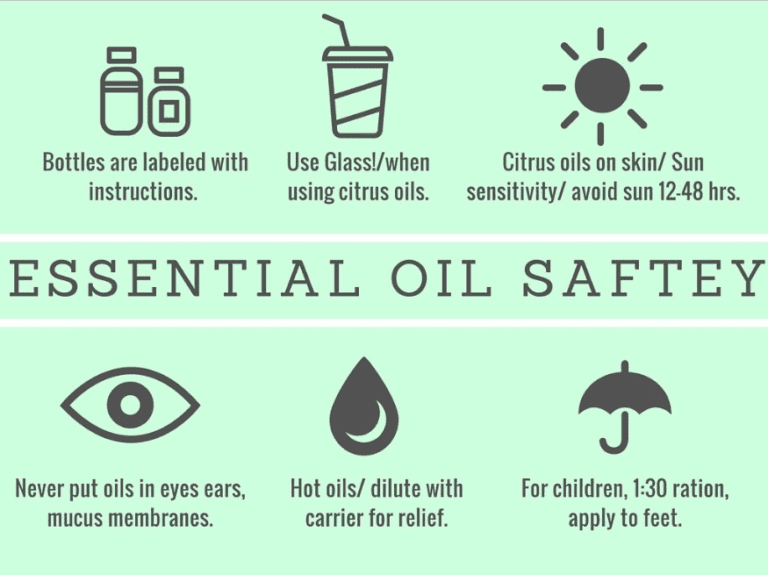
Rejuvenating balms are either breathed in or utilized straightforwardly on the body. Ingesting them is undependable. While applying the oils topically to your skin, make certain to utilize a fix test early on to ensure you’re not unfavorably susceptible, and don’tuse them around your eyes.
A fix test includes putting a modest quantity of the weakened medicinal oil on your skin, say your lower arm. Hang tight 24 hours to check for hypersensitive response prior to utilizing on a bigger area of skin.
Diffuser
Diffusers are ascending in notoriety as devices to assist with scattering natural oils in a room so you can take in the steam. This training is otherwise called fragrance based treatment.
In any case, while breathing in the rejuvenating ointments can be unwinding (or fortifying, contingent upon the oil utilized), you will not be guaranteed to receive the skin rewards utilizing them along these lines.
Rub and direct application
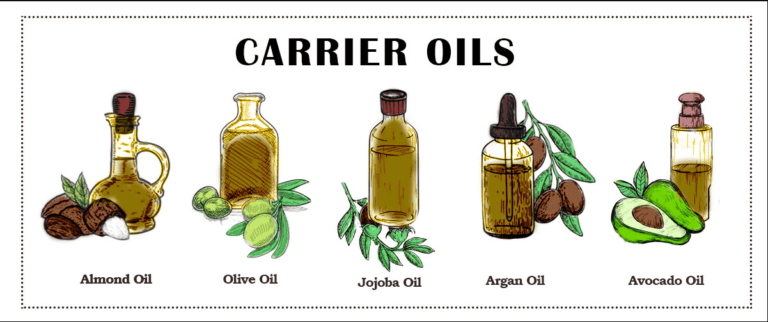
While treating skin conditions, medicinal balms are probably going to work best topically. This involves utilizing little drops of an oil. You should likewise first weaken the oils with a transporter oil, like almond or olive oil.
Utilize a couple of drops for every tablespoon of transporter oil for best outcomes, then, at that point, knead into your skin until completely consumed.
Shower
Washing in medicinal ointments can likewise function admirably for an assortment of skin conditions, particularly in the event that you’re making a good attempt to-arrive at regions like your back. Essentially amount to 10 drops of oil to a running shower. Remove your time getting from the tub, as the oils can make the surfaces elusive.
Aftereffects and insurances
Effective purposes of medicinal oils might prompt rashes and bothering on the off chance that you don’t weaken them in advance with a transporter oil, for example, jojoba or olive oil.
Prior to utilizing the oils, place a modest quantity of weakened rejuvenating ointments on your skin — say on your lower arm — and sit tight 24 hours to check for an unfavorably susceptible response.
Numerous citrus natural oils like lemon, grapefruit, lemon, tangerine, and lemongrass might cause a skin bothering when presented to bright light. Play it safe with these.
While medicinal ointments are normal, they can be similarly just about as strong as conventional meds. Try not to take them by mouth, and you shouldn’t endeavor to self-treat any basic ailment. Inquire as to whether you’re pregnant or breastfeeding.
Where to get natural oils
Rejuvenating oils are broadly accessible at naturopathic outlets, regular food stores, and even pharmacies. You can shop online for natural balms at the accompanying sites:
Amazon
Eden Botanicals
Mountain Rose Spices
Remember that not all natural oils available are made equivalent. A considerable lot of the earthy colored bottles you see on racks might contain added materials like engineered fillers, extenders, or scents.
Some will likewise accompany a transporter oil previously added, which might be useful, contingent upon your requirements. Make certain to check the fixing list before you purchase anything.
20+ Essential Oils to Promote Healthy, Glowing Skin
People have been using essential oils for centuries—for a good reason. With hundreds of oils to choose from, essential oils can treat everything from acne scars to wrinkles, not to mention the aromatherapy benefits that create a sense of calm. Mixing a few drops into your moisturizer or serum, or diluting it in a carrier oil to apply can provide major skincare benefits. But before you start slathering them on, it’s crucial to understand the proper usage for these potent products.
“The biggest reason we love essential oils is because they’re natural,” says Laura Dyer PA-C. “Most products on the shelves in stores or in the average person’s home are full of questionable ingredients. People seem to think that if it’s sold in a store it has to be safe. This is a big misconception… Your skin is the largest organ you have and what you put on it matters.”
The key to adding essential oils to your skincare routine is to use them safely, so we consulted a few experts, including Dyer, to guide us through. Dr. Michele Koo, a plastic surgeon and founder of her own skincare line; Haley Jensen, Global Training and Education Content Manager on behalf of essential oils mecca Young Living; Catherine Garro, a Clinical Aromatherapist based in Australia; and Robert Tisserand, an essential oils educator and consultant who founded the world-renowned Tisserand Institute, shared some tips and tricks for using essential oils on your skin, along with highlighting their favorite oils to use depending on your beauty and skincare needs.
Cedarwood Organic Essential Oil
If you’ve ever been stuck with an unrelenting pimple—you know the kind—may we introduce you to the almighty cedarwood oil? Add a few drops to a noncomedogenic oil and you’ve got yourself an acne-fighting treatment for even the most stubborn of spots.
Thieves Essential Oil Blend
“The blend of oils that makes up Thieves is most known for supporting the immune system and fighting off germs,” says Dyer. The oil is a powerful blend of several essential oils: clove, cinnamon bark, eucalyptus, rosemary, and lemon. While many of its benefits remain up in the air, thieves oil has soothing antimicrobial properties, great for removing harmful bacteria or fungi that live on the surface of your skin. Dilute the oil and then mix with a carrier oil or serum, and use to spot treat.
Frankincense Essential Oil
Frankincense essential oil is an anti-aging powerhouse. According to Jensen, the oil can reduce the appearance of wrinkles and fine lines while leaving you with a radiant, youthful glow. Garro adds that frankincense “has been used since Ancient Egypt to help keep the skin looking youthful and supple,” making it a must-have addition to your skincare routine.
Certified Organic Rosehip Oil
This essential oil comes with the Kate Middleton seal of approval: the Duchess reportedly uses rosehip oil in her daily skincare routine. Rosehip oil is filled with vitamin C, which has anti-aging properties, and fatty acids that help hydrate your skin. The oil also contains retinoids, which help brighten your skin and can fight acne. Just add a few drops of the oil to your skin and you’ll have Duchess-worthy complexion in no time.
Lavender Essential Oil
Lavender is an all-around great pick for an essential oil to use on your skin. “Lavender is great for the skin because it is so calming, gentle, and nourishing,” Jensen says. She adds that lavender oil can reduce the appearance of blemishes and give your skin a youthful glow. The oil can also help if you’re prone to skin irritation or sunburns—Jensen recommends using lavender oil to help soothe and cleanse minor skin irritations.
Copaiba Oleoresin Organic Essential Oil
Copaiba is another versatile essential oil that can be added to your body care routine. Garro explains it’s a very gentle oil with a light scent, making it a good fit for an everyday cream. “It is so soothing to the skin,” Garro said. “It is high in beta-caryophyllene which has been studied for its affects on skin.” She recommends mixing copaiba with your favorite body lotion to try it for yourself.
Neroli Essential Oil
Antimicrobial, antifungal, and antioxidant rich, neroli oil is a failsafe pick for those struggling with acne and irritated skin. Its citrusy and floral scent will leave your skin feeling and smelling fresh.
Tea Tree Organic Essential Oil
Consider this another royally-approved beauty hack. Back in 2014, Meghan Markle told Allure that tea tree oil is her “little cure-all,” adding that she uses the essential oil to remedy a mosquito bite or small breakout. Tea tree oil is a natural antimicrobial, so it fights any bacteria that could cause acne, fungus, or even dandruff.
Geranium Essential Oil
Great for those who suffer with dry skin, geranium is known for removing dead cells, leaving your face clean as a whistle. Geranium oil is also helpful for those suffering with acne, as the removal of dead cells often promotes a clearer complexion. Plus, its floral and minty aroma can ease feelings of nausea.
Organic Rosemary Essential Oil
Essential oils don’t only work wonders on your skin: rosemary oil is known for helping promote a healthier scalp too. “Rosemary essential oil helps to support blood flow to the scalp which can help to stimulate hair growth,” Garro said.
Jensen recommends creating a DIY hair mask with rosemary oil. Mix 1/4 cup of avocado and jojoba oil with five to six drops of rosemary oil and leave the mask on your hair for over 20 minutes.
Organic Orange Essential Oil
Sweet orange oil is known for its antiseptic and anti-inflammatory properties, but the oil can also give your skin a much-needed vitamin C boost. Try adding a few drops to your moisturizer or to a body scrub to help your skin glow and brighten.
Grapefruit Essential Oil
Mix the fresh scent of pink grapefruit with any of your body creams and you’ll notice the refreshing citrus smell will even lighten your mood. As a part of your beauty routine, grapefruit oil reportedly works well for people with oily skin or hair, and can also help heal acne.
Vetiver Essential Oil
For those who live in areas with high pollution, vetiver is your saving grace. Not only is it known to have anti-aging benefits, it also has regenerative properties that can reduce the appearance of acne scars and stretch marks. It’s extremely hydrating, so a little goes a long way.
Peppermint Oil
Refreshing peppermint oil can help relieve muscle or joint pain. A study from 2016 also revealed that the oil can reduce the severity of pruritus, a chronic itchy skin condition, and help calm irritation. Even better? Breathing in peppermint oil can help reduce stress and fatigue, according to Women’s Health.
Roman Chamomile Essential Oil
If you’re prone to dry or dehydrated skin, Garro recommends using diluted chamomile essential oil to help revitalize and hydrate your skin. Chamomile is also excellent in an essential oil blend. Garro often mixes chamomile with lavender and cedarwood oils diluted with a jojoba or coconut oil for people with particularly sensitive skin or for use on children.
Rose Essential Oil
Rose is a multi-purpose essential oil that can help nourish, hydrate, and heal your skin. “Rose has been used for thousands of years to help moisturize and support the appearance of healthy, youthful-looking skin,” Jensen said. “Rose is one of the most valuable oils because it is distilled from the rose petals to gently release the delicate flower’s oil through steam.”
Ylang Ylang Essential Oil
According to Jensen, Ylang Ylang can help moisturize and enhance the appearance of healthy-looking skin. Bonus: you can even apply a mixture of the oil to your scalp as a hair mask.
Organic Palmarosa Essential Oil
If you’re looking for a multi-purpose oil that you can use allover, Tisserand recommends trying a dilution of palmarosa oil, which is known for its anti-inflammatory, antimicrobial, and anti-aging properties. “It smells great,” Tisserand added, and “it’s not too pricey.”
Lemongrass Oil
Lemongrass is a natural astringent, with added antibacterial, and anti-fungal properties as well, making it a multi-purpose powerhouse for your skin. But the oil can also work as an anti-aging treatment—a 2015 study revealed that lemongrass oil can treat signs of skin aging as a natural antioxidant too.
Helichrysum 100% Pure Essential Oil
Helichrysum is another anti-inflammatory and antibacterial oil that can help heal your skin, specifically working on wounds and scars. According to Healthline, the oil contains arzanol, an anti-inflammatory substance that can heal wounds, and helichrysum has other antioxidant features that help with cell regeneration and prevent scarring on skin.
A Guide to Diluting Your Oils
A crucial part of using essential oils on your skin is first diluting them with a carrier oil or a moisturizer. “Using essential oil directly on the skin with no oil or moisturizer can be very drying to the skin as pure essential oils have no lipids in them,” Garro said. “Mixing it [your essential oil of choice] with a carrier oil or a moisturizer means that it has a barrier to slow the absorption on the skin, which means it says on the skin longer.”
There are a lot of compatibilities and incompatibilities when it comes to diluting and mixing, so make sure to do your research beforehand to find the best pairing for your desired effect.
Jensen advises to start small by adding just a few drops of oil to your lotion or moisturizer at a time. “Essential oils are very potent and powerful,” Jensen said. “A few drops go a long way and more is not always better, especially on sensitive skin.” Per Dr. Koo’s advice, you can also mix essentials oils into your serums.
When creating your mixture to dilute the oils, Tisserand recommends sticking to certain essential oil to lotion or carrier oil ratios depending on where you’re using the product. For your face, he advises just .5 to 1.5 percent essential oil in your mixture, combined with a carrier oil or lotion. For your body, he recommends a mixture that is 1.5 to 3 percent essential oil, with the rest consisting of a carrier oil or lotion. Our experts recommended argan, jojoba, coconut, and sweet almond oil as a few carrier oils to try.
For even more information, the Tisserand Institute has an in-depth safety and dilution chart worth reading as you incorporate essential oils into your skincare routine.
The Essentials Marula Oil
The proteins and omega fatty acids in marula oil make it ideal for tackling dry skin, while its lightweight feel will leave your skin feeling moisturized but not overly oily. “I use a ton of marula oil in my products because it’s just so neutral and acts as a wonderful ceramide for your skin,” says Dr. Koo, noting that ceramides help your skin lock in moisture. “The more protected your skin is with that ceramide layer, the less the damage that occurs, and you can really flatten and slow down your aging curve the more of that ceramide layer you have.”
Pure Argan Oil
Antioxidant and vitamin rich, argan oil is extremely hydrating and nourishing, making it the perfect oil to work into your routine if you suffer from dry skin and wrinkles. The combination of vitamin E and fatty acids is easily absorbed, meaning that you’ll see the effects of argan oil almost instantly.
THE HOLISTIC SKIN CARE BENEFITS OF ESSENTIAL OILS
Essential oils have been part and parcel of natural and holistic skincare for centuries. From the luxurious skin-softening properties of the Rose (used famously by Cleopatra to maintain her beauty) to the wound-cleansing benefits of Myrrh used by ancient Roman soldiers going into battle, these potent oils harness a wide range of botanical therapeutics to address practically every skincare need. Beyond this sheer natural variety – there are now approximately 2000 known plant species contributing to different essential oils! – perhaps the value of essential oils in cosmetics and skincare relate to their diverse benefits. Unlike synthetics, the impact of an essential oil can be far-reaching, relaxing our senses and supporting our physical and psychological well-being for a truly holistic sense of wellness. Another feature that lends these all-natural oils to enhanced skincare is that they are absorbed easily through the skin, thereby being very receptive to simple topical remedies and applications. Indeed, far from just being limited to herbalists, aromatherapists, and natural brands, even mainstream cosmetic companies have long adopted the use of essential oils, used widely in all sorts of products from premium perfumes to basic soaps.
In this guide, we will delve into some of the most common skin types and ailments, and address which essential oils are most suited for their specific skincare needs and why. We’ll also discuss some of the most effective ways these oils can be incorporated into our day-to-day beauty regimens or DIY skincare products.
A COMPLETE GUIDE TO ESSENTIAL OILS FOR SKIN
Navigate to a specific skin type or ailment:
- Normal skin
- Dry skin
- Sensitive skin
- Mature skin – fine lines, wrinkles, and age spots
- Oily skin
- Acne
- Cellulite & skin sagging
- Skin discoloration, scars, & stretch marks
- Scrapes, cuts, insect bites, minor burns & other minor injuries
NORMAL SKIN
This relatively rare skin type is characterized by a state of harmony: the skin’s oils are perfectly balanced, leading to a naturally radiant and healthy-looking complexion. Many of us may in fact have a combination skin type where the T-zone (the area covering the forehead and down the length of the nose) is the only region that is problematic, with the rest of the face aligning to a more normal skin type. Essential oils that have balancing actions will work best for this skin type as they will help maintain the skin’s natural harmony and moisture levels.
| To maintain a normal skin type, try these essential oils: |
| Lavender Essential Oil – a truly classic oil in skincare, it supports optimal hydration and the skin’s natural healthful state. Neroli Essential Oil – has natural cleansing and antioxidant qualities, and also helps balance surface oils. Geranium Essential Oil – helps regulate skin oils and also has anti-inflammatory properties which can minimize potential issues such as acne or sensitivities. Ylang Ylang Essential Oil – known to be harmonizing both internally and externally, it helps to prevent dryness as well as excessive sebum production. |
DRY SKIN
The lack of sebum can lead to reduced hydration and increased water loss from the skin’s surface (also known as transepidermal water loss or TEWL). As sebum can act as an occluding layer on the skin, dry skin can often lead to the compromising of the integrity of the skin barrier and will tend to get irritated more often than oilier skin types.
The other cause of dry skin could be dehydration (this is sometimes referred to as dehydrated skin). Essential oils that are very calming, soothing, and naturally moisturizing work best for this skin type. In addition, the use of harsh cosmetic ingredients or products such as high pH soap on the face should be avoided.
| To comfort and enrich dry skin, try these essential oils: |
| Chamomile Essential Oil – both Roman and German Chamomile Oils will naturally soothe inflammation, irritation, or pain associated with skin dryness. Frankincense Essential Oil – deeply nourishing, Frankincense is well known for its ability to rejuvenate dry and mature skin types. It also has natural skin-calming properties. Rose and Jasmine Sambac Absolutes – these concentrated floral oils are highly reputed in boosting skin hydration and dullness, and are also gentle on the skin. |
SENSITIVE SKIN
The term ‘sensitive skin’ is used to characterize a skin type that easily experiences irritations or inflammation. Sensitive skin is often distressed and feels uncomfortable, with associated symptoms such as burning, itching, flakiness, or rashes. Moreover, these individuals often cannot use conventional skincare products such as those with fragrances or dyes.
Dry skin can be one of the causes of sensitive skin. Other reasons include skin conditions such as eczema, rosacea, and dermatitis. The best essential oils for sensitive skin include those that are very gentle and anti-inflammatory in nature.
Note: Some individuals with skin sensitivities do not react positively to any kinds of fragrances, including essential oils. A skin patch test should always be conducted prior to application, and very mild dilutions are strongly recommended at the beginning of any essential oil use.
| To calm skin that is sensitive or irritated, try these essential oils: |
| Rose Absolute – naturally moisturizing and anti-inflammatory, it helps deeply soothe the skin. Chamomile Essential Oil – comforts irritated and inflamed skin, helps hydrate the skin, and can improve the appearance of rashes. |
MATURE SKIN – FINE LINES, WRINKLES, & AGE SPOTS
Aging is a natural process that can lead to a range of skin ailments and issues including fine lines, wrinkles, skin dryness, dullness, and skin laxity. Another common occurrence that is preventable, however, is that of premature aging, a phenomenon where the aging process is sped up in those who engage in unhealthy behaviors such as smoking or not wearing sunscreen. In both cases, the skin’s youthful radiance can be restored by focusing on essential oils that are primarily rejuvenating, protective, and antioxidative in nature.
| To replenish the texture and appearance of mature skin, try these essential oils: |
| Rose Absolute – has ideal skin-reviving and scar-reducing properties for aging skin. It also softens the skin and counters any dryness. Rose remains one of the most popular anti-aging oils used in commercial skincare. Jasmine Absolute – soothes the skin and intensively boosts hydration. Another premium anti-aging oil. Clary Sage Essential Oil – helps with both internal and external regulation, and is believed to naturally balance issues related to hormonal imbalances in women that can lead to skin ailments. It is also reputed to simulate cell regeneration and may help prevent the formation of fine lines and wrinkles. Palmarosa Essential Oil – deeply moisturizes skin and helps reduce the appearance of fine lines and wrinkles. |
OILY SKIN
Oily skin is an issue that most commonly plagues younger age groups. It is characterized by the skin producing too much sebum, which can produce an overly shiny or greasy-looking complexion. The pores may also be more enlarged and visible. This skin type can be transformed through the use of cleansing and clarifying essential oils that help purify the skin and also cut down on skin oiliness. Furthermore, oils with astringent actions can also support in reducing any visible pores. An oily skin type that is well taken care of can prevent the development of acne that forms through the thriving of bacteria in oil- and dirt-clogged pores.
| To freshen up oily skin, try these essential oils: |
| Tea Tree Essential Oil – helps eliminate excess sebum and is known to have natural antimicrobial properties. It is often used in skincare products for oily and acne-prone skin. Neroli Essential Oil – not only is this oil very gentle to the skin, it also has reputed antifungal and antibacterial properties that make it useful in clarifying oily skin and preventing breakouts. Lemon and Bergamot (Bergaptene Free) Essential Oils – known to improve the complexion of oily skin through its anti-inflammatory and antibacterial properties. Most other citrus oils, including Sweet Orange, Mandarin, and Grapefruit tend to be good fits for oily skin. Cypress Essential Oil – a potent and uplifting oil that can clarify skin and reduce shine. Has reputed antimicrobial properties. |
ACNE
Acne is a chronic yet common skin disease that appears most often as visible marks on the face, although body acne can occur too. The affliction often starts in adolescence and may continue in some individuals until their 30s or even 40s. Blemishes, blackheads, whiteheads, and pustules frequently appear in cases of acne, and the primary cause is what is known as a ‘comedo’. This is when a pore or hair follicle becomes congested due to the buildup of skin cells, dirt, and oils. Thus, skincare routines for acne should involve the use of non-comedogenic skincare and makeup products that do not contribute to clogging. The same advice is applied to the use of carrier oils; an excellent non-comedogenic choice is Jojoba Oil.
Essential oils can be a natural remedy for those with milder cases of acne. Those with clarifying, anti-inflammatory, and antimicrobial properties will tend to be the most useful.
| To support skin cleansing and clear up acne, try these essential oils: |
| Tea Tree Essential Oil – has shown to be capable of clearing up mild to moderate cases of acne vulgaris. This has been attributed to its reported broad-spectrum antimicrobial and anti-inflammatory properties. Oregano Essential Oil – has shown strong activity in suppressing bacteria that cause acne, which is believed to be caused by the synergy between the compound Thymol and its other constituents. Another oil high in Thymol is Thyme Oil, which has shown similar effects. Lemongrass Essential Oil – a great complexion booster for those with acne because it has natural astringent qualities. It can also reduce the appearance of acne scars. |
CELLULITE & SKIN SAGGING
Cellulite is a condition where the skin appears dimpled or has a characteristic rippling or ‘wrinkly’ texture that is often compared to that of cottage cheese. It commonly manifests in bodily areas such as the thighs, knees, and buttocks, and can affect individuals of all weights and sizes. Skin sagging, also known as ‘loose skin’, is usually a normal consequence of the aging process, but may also be experienced after major weight loss or pregnancy. Issues with skin laxity typically increase with age due to poorer blood circulation, which can impact on skin collagen synthesis.
While harmless, cellulite and skin sagging can be major cosmetic problems that can cause issues with one’s self-confidence. Spice essential oils tend to be stimulating and can help detoxify and firm up skin texture and lead to a tighter appearance. Coupled with massage, other stimulating or rubefacient oils may also be used to encourage lymphatic and blood circulation to ease the appearance of cellulite and skin sagging.
| To improve the look of cellulite and loose skin, try these essential oils: |
| Sweet Fennel, Juniper Berry, and Grapefruit Essential Oils – reputed to be lymphatic stimulants, these oils are commonly used to aid in the removal of toxins and internal build-up that contribute to the appearance of cellulite. Black Pepper & Sage Essential Oils – encourage blood circulation when used in a massage and their carminative actions can lead to the appearance of a slimming effect. Their potent antioxidant actions also help to maintain skin laxity and prevent the formation of textural issues. |
SKIN DISCOLORATION, SCARS, & STRETCH MARKS
Scarring or pigmentation issues on the skin can be due to external issues (e.g. a cut or an injury) or internal issues (e.g. a hormonal imbalance or pregnancy). Alleviating skin discoloration can often take time depending on the extent of impact to the skin’s connective tissue and whether it is a young or relatively older scar. Essential oils with cicatrisant or skin-regenerating qualities may help by speeding up cell growth and tissue repair. Lavender Oil remains one of the oils most used by herbalists and aromatherapists as a natural remedy for scars due to its potent cicatrisant effects. For deep-set or older scars such as stretch marks, oils with rubefacient qualities can be helpful. These encourage circulation and help with cell renewal, thus improving the skin’s appearance and texture.
| To reduce the appearance of scars or pigmentation, try these essential oils: |
| Lavender Essential Oil – naturally supports skin regeneration through its cicatrisant properties. Frankincense Essential Oil – like Lavender, it has natural cicatrisant properties that encourage healing and skin regeneration. Black Pepper Essential Oil – helps boost circulation to enhance nourishment to scarred skin, and has good antioxidant properties that may improve skin texture. Turmeric Essential Oil – soothes inflammation and naturally lightens the skin, helping to eliminate scarring. |
SCRAPES, CUTS, INSECT BITES, MINOR BURNS & OTHER MINOR INJURIES
Essential oils have been used as popular natural remedies by herbalists, aromatherapists, and traditional medicine practitioners to soothe and help in the restoration of skin that has suffered from scrapes, cuts, and other minor injuries. Note that any new or open wounds should be promptly taken care of using first aid measures or by a healthcare professional wherever appropriate to prevent the possibility of infections. Major injuries will also require medical care. For minor cases, the natural properties of essential oils are often used to aid in cleaning the skin, reducing pain, and encouraging the renewal of skin to help prevent or ease possible scarring.
| To soothe and take care of minor cuts, scrapes, and other injuries, try these essential oils: |
| Helichrysum, Lavender, Rose, Patchouli, and Frankincense Essential Oils – commonly used to support wound healing and reduce scarring due to their citrasicant qualities. Tea Tree, Myrrh, and Lavender Essential Oils – may be used to gently cleanse or purify the area due to their reputed antibacterial and fungicidal properties. Lavender and Chamomile Essential Oils – may be used to soothe the skin and help reduce pain. |
HOW TO USE ESSENTIAL OILS FOR SKIN
One of the easiest ways to incorporate essential oils into a skincare regimen is to dilute them in a carrier oil. Carrier oils are fixed oils extracted from various botanical sources such as kernels, seeds, nuts, and fruit pulp, that offer skin-beautifying benefits in addition to making concentrated essential oils safer to use for topical applications. Carrier oils can be blended according to their specific properties (e.g. comedogenic vs. non-comedogenic, fast-absorbing vs. slow-absorbing) and their nutrient profile. Similarly, blending complementary essential oils is thought to be one of the most effective ways to bring out their synergy and consequently their observed results. By mixing desired essential oils and carrier oils together, an easy, personalized, all-natural skincare solution can be made from scratch. A list of suggested blends can be found in the next section.
For a gentle facial serum that can be used in the daytime or at night, pour 30 mL (1 fl. oz. or roughly 2 tablespoons) of your desired carrier oil(s) into a small dropper bottle, followed by 6 drops of an essential oil or essential oil blend. Cap the bottle well before shaking thoroughly to blend all the ingredients. To use, apply 4 drops onto a freshly cleansed face and lightly massage until fully absorbed.
For a hydrating body oil, combine 60 mL (2 fl. oz. or roughly 4 tablespoons) of your desired carrier oil(s) into a bowl or small jar, followed by 24 drops of an essential oil or essential oil blend. Mix well and massage onto desired body areas after a shower or bath.
A DIY facial cleanser or mask are also excellent ways to benefit from essential oils in skincare. For a simple facial cleanser, add 60 mL (2 fl. oz.) of a desired Hydrosol or Floral Water into a cleanser dispenser, along with 30 mL (1 fl. oz.) of Aloe Vera Gel Juice, 30 mL (1 fl. oz.) of Vegetable Glycerin, and 3-5 drops of essential oils. Cap, shake, and use as needed for up to 10 days (the cleanser can be stored in the fridge). For a basic facial mask, combine 30 g (1 oz.) of a cosmetic clay of your choice with 1 teaspoon of a carrier oil, 2-3 drops of essential oil, and enough water to create a paste. Apply using a face brush and leave on for 5-10 minutes before rinsing off with lukewarm water.
SUGGESTED ESSENTIAL OIL BLEND RECIPES FOR SKIN
The following blends can be used to optimize a natural skincare regimen. The guidelines in the previous section can be used to easily make a DIY skincare treatment based on your needs.
For Dry Skin – soothes, hydrates, and helps keep dry skin soft and supple
- Chamomile Essential Oil – 5 drops
- Rose Geranium Essential Oil – 3 drops
- Rose Absolute – 1 drop
Carrier oil suggestions for dry skin: Sweet Almond Oil, Avocado Oil, Coconut Oil, Hemp Seed Oil
For Oily & Acne-Prone Skin – helps cleanse and regulate sebum levels
- Tea Tree Essential Oil – 5 drops
- Lavender Essential Oil – 5 drops
- Lemongrass Essential Oil – 2 drops
- Lemon Essential Oil – 2 drops
Carrier oil suggestions for oily skin: Jojoba Oil, Grapeseed Oil, Apricot Kernel Oil, Macadamia Nut Oil
For Mature Skin, Fine Lines, & Wrinkles – softens and smooths out wrinkles, naturally supports skin regeneration
- Palmarosa Essential Oil – 6 drops
- Rose Absolute – 2 drops
- Frankincense Essential Oil – 2 drops
Carrier oil suggestions for mature skin: Rosehip Oil, Olive Oil, Avocado Oil, Argan Oil
For Acne Scars, Dark Circles, & Other Pigmentation Issues – naturally brightens and evens out skin complexion over time
- Frankincense Essential Oil – 2 drops
- Ylang Ylang Essential Oil – 2 drops
- Lavender Essential Oil – 2 drops
- Turmeric Essential Oil – 1-2 drops
Carrier oil suggestions for scarring: Evening Primrose Oil, Rosehip Oil
CAUTIONS & ESSENTIAL OILS SAFETY
It is important to enjoy the benefits of essential oils while using them safely and responsibly. This includes never using them undiluted, performing a skin patch test prior to use, being knowledgeable about the sun’s effects after use, and sourcing them from an ethical brand known for quality and purity.
External use only
As with all other New Directions Aromatics products, essential oils are for external use only. Essential oils must never be used near the eyes, inner nose, and ears, or on any other particularly sensitive areas of skin. It is imperative to consult a medical practitioner before using these oils for therapeutic purposes.
Phototoxicity
Avoid sun exposure for a minimum of 12 hours after topically applying Bergamot Essential Oil, Grapefruit Essential Oil, Lemon Essential Oil, and any other phototoxic oils.
Pregnancy and other health conditions
Pregnant and nursing women are especially advised not to use essential oils without the medical advice of a physician.
Those with the following health conditions are especially recommended to consult the advice of a physician: cancer, heart-related ailments, skin disorders or allergies, hormone-related ailments, or epilepsy.
Individuals that are taking prescription drugs, undergoing major surgery, or who are at a greater risk of experiencing strokes, heart attacks, or atherosclerosis are also advised to seek medical consultation prior to use.
Children and safety
These oils should always be stored in an area that is inaccessible to children, especially those under the age of seven.
How to conduct a skin patch test
Prior to using any essential oil, a skin test is recommended. This can be done by diluting 1 drop of the essential oil in 4 drops of carrier oil and applying a dime-size amount of this blend to a small area of non-sensitive skin.
Essential Oil side effects
Potential side effects of essential oils include redness, rash, hives, burning, bleeding disorders, decreased speed of healing, low blood pressure, dizziness, headache, nausea, diarrhea, convulsions, and rapid heartbeat. In the event of an allergic reaction, discontinue use of the products and see a doctor, pharmacist, or allergist immediately for a health assessment and appropriate remedial action. To prevent side effects, consult with a medical professional prior to use.
Oils for Wrinkles? 20 Essential and Carrier Oils to Add to Your Routine
What you can do
When it comes to wrinkle treatments, the options seem endless. Should you choose a cream or a lightweight anti-aging moisturizer? What about a vitamin C serum or acid-based gel?
If you’re looking for more natural-based treatments, though, you might consider making your own anti-aging serum with the help of essential oils.
Essential oils can’t get rid of wrinkles, but they can help minimize them. They may also:
- boost collagen
- even out skin tone
- help your complexion
- reduce inflammation
- promote skin cell turnover
- protect your skin from environmental damage
Step 1: Choose an antioxidant base
You may already know that antioxidant-rich foods, such as berries and green leafy veggies, can help ward off chronic diseases. This is due to their effects on free radicals.
Antioxidants can also have an impact on wrinkles via essential oils. They work by controlling free-radical scavenging activity. In turn, the essential oils may help prevent the damaging effects of everyday environmental stresses, such as:
- air pollution
- sunlight
- smoke
Essential oils must be diluted in a carrier oil before touching the skin.
Keep reading to learn more about some of the different antioxidant bases you can use for your essential-oil wrinkle therapy.
Rosemary
This herb is known for both its antimicrobial and antioxidant properties. When it comes to skin health, rosemary’s natural oxidative defenses may help prevent free radicals from causing damage.
Rosemary is also available as an essential oil.
A 2014 study noted significant results within seven days of using rosemary essential oil in 10 mg/kg doses. Rosemary may also help benefit your skin by increasing circulation and reducing overall inflammation. Most benefits are related to alcohol extracts from the leaves.
Lemon
This powerful antioxidant is high in vitamin C. It’s often found in over-the-counter anti-aging products. According to a 2017 study, lemon essential oil had both antioxidant and antimicrobial properties. However, take care not to expose your skin to the sun after applying lemon or other citrus essential oils.
Clary sage
Sage is a type of evergreen-like shrub. Clary sage, a cousin of traditional sage, is different in both taste and medicinal uses. This plant is sweeter to the taste and smell. According to a 2016 study, clary sage has antioxidant properties that can help prevent DNA and protein damage.
This may translate to anti-aging benefits when used on the skin. Clary sage also has antimicrobial effects.
Wild carrot essential oil
This root vegetable has hidden properties in its seeds. For example, carrot seed has been used in the past as a muscle relaxant and as a low blood sugar remedy. A 2012 studyTrusted Source on the effects of rats found that carrot seed also has liver protective properties. The authors of a 2014 study also noted antioxidative activities in the oil.
Step 2: Choose something to smooth, moisturize, and rejuvenate
When it comes to fine lines and wrinkles, moisture is perhaps one of the most important benefits essential oils can offer.
Moisture helps trap water in your skin. As you age, your natural levels of moisture tend to drop. Moisturizing products, such as essential oils, can help. Properly moisturized skin can help improve your overall complexion.
Once your skin has a proper moisture balance, it should become smoother over time. Keeping your skin moisturized can also enhance skin-cell turnover. This can help reduce the appearance of wrinkles.
Rose
Roses are among the most popular flowers in the world. Certain species are also used medicinally.
Damask rose extracts have potential antioxidant and antibacterial properties. A 2017 studyTrusted Source found that rose oil reduced pain and anxiety. This extract may be especially helpful in skin-cell turnover and renewal, a process that’s important in preventing dull-looking skin.
Rose oil also has anti-inflammatory effects, which may help reduce redness and stressed-looking skin.
Sandalwood
Sandalwood oil has long been known for its anti-inflammatory effects and has been used as such for related skin diseases.
As an essential oil, sandalwood also has moisturizing properties due to naturally occurring emollients, which help keep water in your skin. They can also reduce the appearance of wrinkles by acting as a filler.
Sandalwood’s astringent effects can also promote skin-cell turnover, which helps keep the skin moisturized and free of dead skin-cell buildup.
Geranium
Geranium extracts have been studied in the past as possible cold remedies. The geranium’s natural anti-inflammatory effects may be useful in treating sinusitis and bronchitis. Geranium has also been studied for its potential moisture balance and skin-cell renewal in people with acne.
Ylang-ylang
Ylang-ylang may not be a commonly known ingredient, but it’s widely used in the fragrance industry.
Indigenous to coastal Asia, ylang-ylang is also being studied for anti-aging properties. According to a 2015 study, the plant’s oils contain antioxidants that can aid in skin renewal.
Researchers looked specifically at ylang-ylang’s ability to help repair damage to the skin’s proteins and lipids. They found significant free-radical scavenging activity by these antioxidants. Because of this potential, more cosmetic companies are adding ylang-ylang to their anti-aging products.
Helichrysum
Helichrysum is an aromatic flower that’s indigenous to Asia and Africa. It’s a cousin of the sunflower. Its essential oil may have renewal properties that reduce inflammation.
A 2014 study of people undergoing surgery found that the flower had both anti-inflammatory and antiseptic properties. However, more clinical studies are needed to determine its safety and effectiveness.
Neroli
Neroli essential oils are made from bitter orange tree flowers. According to the National Center for Complementary and Integrative Health (NCCIH), bitter orange essential oil can help a variety of skin ailments. These are primarily related to fungal infections, such as athlete’s foot and jock itch.
For wrinkle treatment, neroli may help rebuild elasticity in the skin. It may also help generate new skin cells.
Pomegranate
The pomegranate has grown popular as a food additive in recent years. However, this complex fruit also has numerous health benefits.
According to one 2014 study, pomegranate oil has the potential to reduce the oxidative stress that leads to free radicals. It may also help reduce:
- inflammation
- photoaging or sunspots
- skin cancer cells
- Frankincense
Native to the Middle East and India, frankincense is now one of the most common essential oils worldwide.
Researchers in a 2003 study found that frankincense oil may help reduce or prevent the appearance of sunspots. This can improve skin tone while also reducing the appearance of wrinkles. The oil may also help generate new skin cells.
Lavender
You may have heard about the benefits of lavender oil for stress and sleep. Lavender oil’s benefits for stress may also extend to the skin. Lavender oil is available in many forms, including essential oils.
Oxidative stress from free radicals can damage the skin. The flower itself has antioxidants to help combat free radicals and reduce overall stress. These effects may also have soothing capabilities for skin that’s stressed out and dull-looking.
Step 3: Choose your carrier oil
Before you apply an essential oil to your skin, it must be diluted in a carrier oil.
A carrier oil can reduce the essential oil’s intensity so that it doesn’t irritate your skin and make the product last longer, allowing you to get more for your money.
Carrier oils also have additional moisturizing benefits, which are key for any wrinkle-fighting skin regimen. Keep reading to learn more about some of the most commonly used carrier oils to see which one might be best for you.
Jojoba
Known for the waxy texture of its seeds, the jojoba plant has been used for a variety of skin ailments since first discovered as a folk medicinal treatment. The rich seeds provide ample moisture, making this a great carrier oil for essential oils. Properly moisturized skin can help reduce the appearance of wrinkles.
Jojoba oil is also used for:
- acne
- inflammation
- skin lesions
- collagen stimulation
Vitamin E oil
From a nutritional standpoint, vitamin E is a powerful antioxidant. It can even help reduce cholesterol. As an essential oil, vitamin E can also help repair your skin topically.
Researchers have long known that vitamin E oil not only helps even skin tone, but it may also fight free radicals that can lead to skin cancer. In terms of a carrier oil, vitamin E has the potential to boost the rejuvenating effects of essential oils.
Grapeseed oil
Historically, ancient Greeks used this oil for medicinal purposes. Grapeseed oil is now noted for its antioxidant properties.
According to the NCCIH, this form of grapeseed is most commonly used for inflammation and wounds. Like vitamin E oil, grapeseed oil offers both nourishing and rejuvenating potential.
Apricot oil
Apricot oil, like vitamin E and grapeseed oils, may also provide added elements of nourishment and rejuvenation.
In fact, apricot oil already has high levels of vitamin E. The oil isn’t made from the fruit, but from the seeds of the apricot. The seeds contain high levels of linoleic and oleic acids, which are considered essential fatty acids for clear skin.
A 2019 report found that apricot oil’s fatty acid makeup makes it absorb well and ideal for dry skin. If you have both wrinkles and dry skin, this carrier oil may provide some extra benefits.
Almond oil
Almond oil is similar in potency to:
- vitamin E
- apricot
- Grapeseed oil
Like these other oils, it also has nourishing and rejuvenating qualities. According to a 2018 study, almond oil has significant anti-inflammatory benefits that are used in related skin diseases such as eczema and psoriasis.
For anti-aging purposes, almond oil may also improve:
- complexion
- dry skin
- scars
- skin tone
Avocado oil
Often noted for their heart-healthy fats, avocados also offer more in the way of alternative medicine and skin care. Avocado oil is a natural antioxidant. The oil also seems to have anti-inflammatory effects.
When looking for avocado oil, look for oil made from the seeds. They’re said to have the most collagen-boosting effects.
Argan oil
Argan oil is a rich substance made from argan fruit trees. Indigenous to Morocco, this oil has been historically used for:
- eating
- skin care
- hair care
Today, you can find numerous styling products and creams containing argan.
As a carrier oil, argan oil may help boost skin elasticity in your wrinkle-care regimen.
According to a 2015 study, argan oil improved skin elasticity previously lost in women who were postmenopausal.
Women participating in the study used argan oil daily for two months. The results were more significant compared with women in the control group who used olive oil.
How to use
You’ll need to dilute your selected essential oil with a carrier oil of your choice before you apply it to your skin.
You can use a separate bottle for mixing, or you can add the essential oils to the bottle of carrier oil. A good rule of thumb is to use about 10 drops of essential oil per 1/2 ounce of carrier oil.
Once you’ve mixed your serum, it’s a good idea to conduct a patch test. This should always be done before widespread use — especially if you plan to apply the mixture to your face.
To do this, choose a small area of skin that’s away from your face. The inside of your elbow is a popular choice. If you notice any reaction within 24 hours, you could be allergic to the oil and should discontinue use. You can also consider adding fewer drops of essential oils to the mix.
To reap the most anti-aging benefits, you’ll want to use essential oils twice daily. Think of it like a wrinkle cream that you’d need to use daily for maximum results.
Potential side effects and risks
Although essential oils are naturally derived from plants, these products aren’t completely risk-free. Plants can cause allergic reactions in some people, even if you don’t normally have plant allergies.
If you’re applying diluted citrus oils to you skin, exposure to sunlight can cause burns. Avoid sunlight if using these oils:
- lemon
- grapefruit
- other citrus fruit essential oils
If you’re allergic to a certain oil, you might experience:
- hives
- redness
- bumps
- rashes
- itchiness
- sneezing
- runny nose
Anaphylaxis is also possible. This is a serious, life-threatening allergic reaction characterized by breathing difficulties and significant swelling. If you think you’re having this type of reaction, seek immediate medical help.
One way to reduce your risk of allergic reaction is to conduct a patch test before use. To be completely sure that an oil won’t cause a reaction, it’s recommended that you test twice daily for up to five days.
Essential oils should not be ingested. It’s also important to remember that essential oils aren’t regulated by the U.S. Food and Drug Administration for safety or efficacy. If a product sounds too good to be true, it likely is.
The bottom line
Essential oils may be incorporated into your anti-aging skin-care routine, but it’s important to talk to your dermatologist before using them. Choose other oils to:
- round out the benefits of essential oils
- protect the skin from inflammation
- act as a carrier oil for essential oils
Many of the oils listed above are available as essential oils. Add one to your routine at a time. This can help you avoid reactions to prescription or over-the-counter products you may already be using.
According to the American Academy of Dermatology, it can take any new wrinkle remedy up to three months to take effect. If you fail to see any improvements after a few months of using essential oils, see your dermatologist. They might recommend other products or treatments.
Before starting a new or adding to your current skin care routine, talk to your doctor or dermatologist to discuss any potential risks or negative interactions.