Carrier oil vs Vegetable oil
Carrier oils are usually cold-pressed vegetable oils derived from the fatty parts of plants, usually seeds, kernels, or nuts. Unlike essential oils that evaporate and have a concentrated aroma, carrier oils do not evaporate and impart their aroma like essential oils. Essential oils do not go bad. However, carrier oils can be smelly.
Carrier oils are so named because they are used to transport essential oils to the skin. They refer to base oils that are used to dilute essential oils before topical application. Few essential oils can be applied directly to the skin because they can cause severe irritation or reactions in some people.
But we think of this denomination as limiting and often wrong. In fact, many carrier oils also have properties and healing properties. The choice of carrier oil may depend on the therapeutic benefit but also on their physical and organoleptic properties.
Natural lotions, creams, body oils, bath oils, lip balms and other moisturizing skin care products are also made using vegetable (carrier) oils. From a simple essential oil/carrier oil blend to a more complex natural lotion, the choice of carrier oil can make a difference in the therapeutic properties, color, overall aroma and shelf life of the final product.
We are at your disposal to help you choose the carrier oil that best meets your performance expectations.
What are carrier oils?
Carrier oils are vegetable oils naturally derived from plant-based sources such as seeds, kernels or the fatty portion of nuts. Each carrier oil has its own unique properties and benefits. They can be used alone or in combination with other oils and essential oils to nourish your skin.
Carrier oils are essential in your daily beauty routine because they play an important role in locking essential oils into your skin. Applying essential oils to the skin without coloring can cause severe irritation, sensitivity, redness, itching, and other reactions.
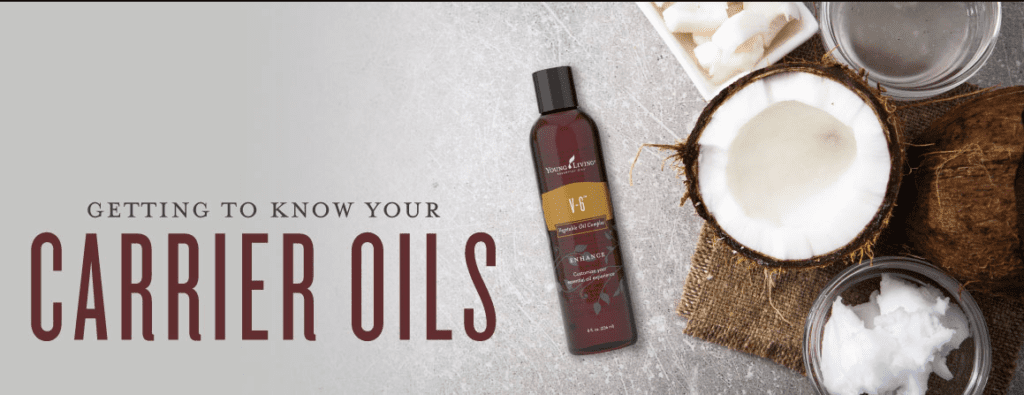
The term carrier oil is derived from their purpose of carrying essential oils to your skin. Most carrier oils are unscented or lightly scented and do not interfere with the healing properties of essential oils. Carrier oil is also called beauty oil, vegetable oil or base oil.
If you are allergic to tree nuts, you should not use oil derived from tree nuts. It contains sweet almond oil, argan oil, and apricot kernel oil.
Carrier oils are an important part of using essential oils safely and choosing the best carrier oil can help you get the desired results from your essential oils.
Understanding the basics of using essential oils can really make your experience very rewarding. Carrier oils are added to essential oils to dilute them for use on the skin or for use in aromatherapy. Because essential oils are so strong on their own, carrier oils are an important part of safe essential oil use.
More About Carrier oil
Essential oils are highly concentrated volatile plant extracts, obtained by distillation from natural raw materials of plant origin. Carrier oils, on the other hand, are pressed from the fatty parts (seeds, nuts, kernels) and do not evaporate or develop aromas like essential oils. Carrier oils can be applied directly to the skin, while essential oils should not.
Check out our guide to sustainable essential oils here.
Organic oil
We only stock organic carrier oils. This is because organic oils often undergo less processing than non-organic high street oils. They can be fattening, long lasting, rich in omegas, minerals and vitamins.
Humor rating
Every oil and butter have a humor rating. Simply put, a comedogenic (koh-med-o-gen-ic) rating indicates that an ingredient can clog your pores.
Now there is a lot of science behind these classifications and the fatty acids and how they react/affect your skin.
So, some oils are more suitable to use as a cleansing oil on your face (i.e. hemp or rose oil) than others (coconut oil).
How to Choose the Carrier Oil You Need
There are many carrier oils available. Most are suitable for use with any essential oil, but there are a few things you should consider before choosing one.
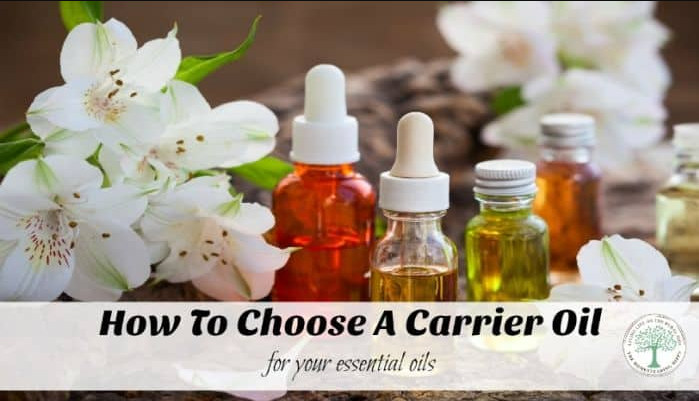
Think about it
- Odor: Some carrier oils have a distinct odor. When added to essential oils, it can change the aroma.
- Absorption: Your skin may absorb some carrier oils better than others.
- Skin type: Depending on your skin type, some oils can irritate the skin or worsen skin conditions such as acne.
- Shelf Life: Some carrier oils can be stored longer than others without spoiling.
The US Food and Drug Administration does not regulate carrier oils labeled for use as cosmetics. However, they regulate edible cooking oils that can serve double duty as carrier oils.
You should only buy a therapeutic grade carrier oil from a manufacturer you trust. Look for oils that are cold-pressed, 100 percent pure, and additive- or preservative-free. If you want to use cooking oil as a carrier oil, choose cold-pressed, organic varieties.
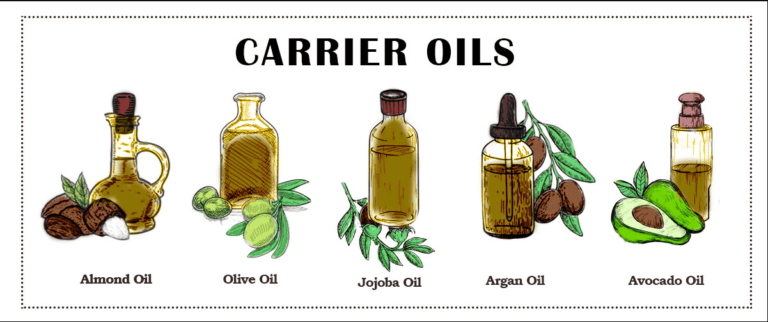
The following list includes popular carrier oils that are used to dilute essential oils in aromatherapy, massage and skin care. The list is not exhaustive, but it is a good place to start.
Coconut oil
Coconut is something that people either love or hate. It has a strong scent so if you don’t like it, you won’t be able to mix it with other oils or fragrances. If you like it, it mixes well with many oils and has antibacterial, antifungal and antiviral properties.
Sweet almond oil
It has a light and nutty scent is rich in vitamin E which makes it great for the skin and dries quickly but can leave your skin feeling a little greasy afterward. It mixes well with many different types of oils so it’s a handy one to have around. Shelf life is about 6 months to a year.
Olive Oil
This popular oil is also commonly used in cooking and is an excellent choice for a carrier oil. It contains omega fatty acids but also makes a good carrier oil for essential oils and aromatherapy. It has healing and antiseptic properties.
Avocado oil
It’s great for sensitive skin, and anyone with skin conditions like eczema and psoriasis. It has a sweet, nutty scent and blends well with essential oils. It also has grounding and cooling effects when applied to the skin.
Sunflower oil
Sunflower oil makes a good carrier oil and is great for aromatherapy. It has a yellowish tint and a nice sweet smell. It also contains vitamin E so it is good for your skin. It works well for massage and lotion. It will not leave your skin feeling oily.
Evening Primrose Oil
It has a mild, sweet fragrance and is also good for the skin. You can use it with essential oils that are too strong to go directly on the skin and it is also good for the heart and blood. It absorbs easily into the skin but may leave a light film behind. However, the shelf life is only 6 months.
Cranberry seed oil
It is fruity but also slightly bitter and rich in vitamins that are good for the skin. It has a shelf life of about two years, meaning it stores better than some oils with a shorter shelf life.
How to Mix Carrier Oils with Essential Oils
Whenever possible, buy organic, cold-pressed carrier oils from a manufacturer you trust. Although most carrier oils do not cause allergic reactions, you should always do a patch test before using them.
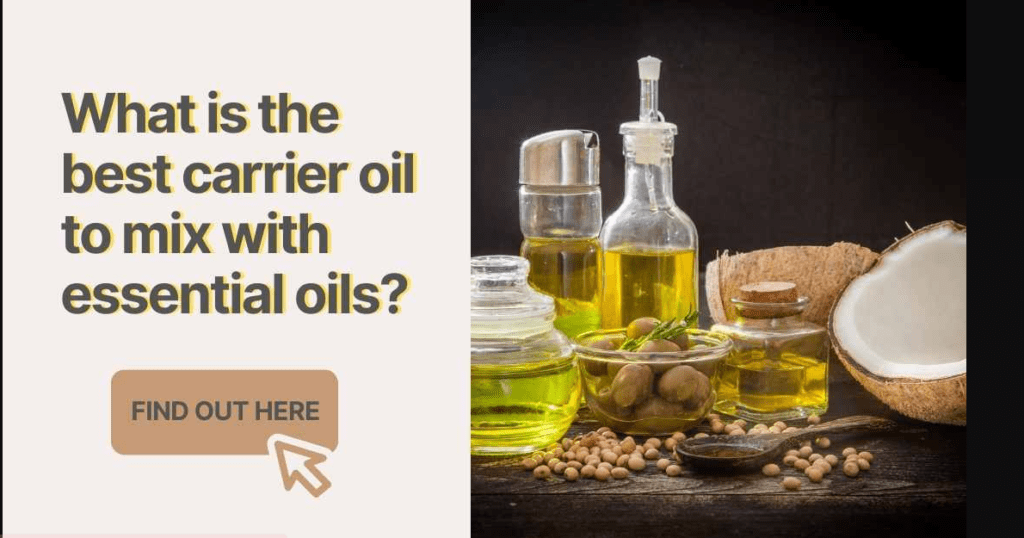
Although research shows that there are health benefits, the FDA does not monitor or regulate the purity or quality of essential oils. Before starting to use essential oils, it’s important to talk to a healthcare professional and be sure to research the brand’s product quality. Always do a patch test before trying a new essential oil.
To test the patch:
- Add a small amount of carrier oil to the inside of your wrist or just below your ear.
- Cover the oil with a bandage.
- Check the area again after 24 hours.
- If irritation occurs, rinse thoroughly, and avoid future use.
If you are allergic to tree nuts, you should not use oil derived from tree nuts. It contains sweet almond oil, argan oil, and apricot kernel oil.
When diluting essential oils with a carrier oil, it is important to follow these guidelines.
For adults:
- 2.5% dilution: 15 drops of essential oil per 6 tablespoons of carrier oil
- 3 percent dilution: 20 drops of essential oil per 6 tablespoons of carrier oil
- 5% dilution: 30 drops of essential oil per 6 tablespoons of carrier oil
- 10% dilution: 60 drops of essential oil per 6 tablespoons of carrier oil
For children:
- 0.5 to 1 percent dilution: 3 to 6 drops of essential oil per 6 tablespoons of carrier oil
Always store carrier oils in a cool, dark place, preferably in the refrigerator. You should also keep them in a dark glass bottle.
Although research shows that there are health benefits, the FDA does not monitor or regulate the purity or quality of essential oils. Before starting to use essential oils, it’s important to talk to a healthcare professional and be sure to research the brand’s product quality. Always do a patch test before trying a new essential oil.
What is vegetable oil?
The term vegetable oil is commonly used as shorthand for any cooking oil derived from plant materials, as opposed to animal fats such as butter and lard. Examples of vegetable oils include canola oil, sunflower oil, corn oil, and soybean oil, as well as oils made from fruits such as olives and avocados.
However, there is a cooking oil that is simply labeled “vegetable oil” and is almost always made from pure soybean oil, or occasionally a blend of soybean and corn oil. This is the product we refer to in this article, the specific product that contains all or mostly soybean oil, as opposed to the broader category of vegetable oils.
Vegetable oil is made from soybeans. The reason it’s called vegetable oil instead of soybean oil is primarily a marketing decision, although it also allows manufacturers to blend soybean oil with other oils, such as corn oil, without altering the labels.
Vegetable oil is a light-colored oil, made as tasteless and odorless as possible. It is made by crushing dried soybeans, then spinning them to separate the oil from the plant matter, before it is distilled and purified to remove as many impurities and other contaminants as the oil may contain. can affect the taste, color and aroma of So the result is an oil that is extremely neutral and thus extremely versatile. It’s as good for making salad dressings and dips as it is for cooking, frying, and baking.
Vegetable oil is a light, odorless, tasteless, light-colored cooking oil that is good for cooking, frying, and making salad dressings. Any oil made from plants, whether obtained from seeds, grains, nuts or fruits, is considered a vegetable oil. But when you see a bottle of oil labeled “vegetable oil,” it’s almost always soybean oil.
Cooking with vegetable oil
A major advantage of vegetable oil is its relatively high smoke point, around 450 F, meaning it is good for high-heat cooking methods such as frying and frying. Since most deep-frying is done at about 375 F, this means the vegetable oil will hold up to normal frying temperatures without smoking or giving the food a bitter, burnt taste. And since it’s cheap, it won’t break the bank to make a batch of homemade French fries.
Because of its neutral taste, vegetable oil will not impart a distinctive flavor when used to make salad dressings, dips, mayonnaise, and the like. But you don’t always find the oil to overpower the flavor, so when you want a neutral oil, vegetable oil would be a good choice. It’s also a great choice for baking, as you won’t necessarily taste the oil in cakes, quick breads and muffins.
How does it taste?
Vegetable oil has a very mild flavor, almost non-existent if you use it in a recipe or for cooking or frying. If you tasted the oil itself, you might think it had a slightly sweet taste, perhaps a little similar to the taste of tofu. Then again, it might not taste like anything else.
Vegetable oil substitute
If a recipe calls for plain vegetable oil, it probably indicates that you should use a plant-based cooking oil, such as canola, corn, peanut, sunflower, safflower or soybean. Oil of So if you can’t find an oil specifically labeled “vegetable oil” or soybean oil, any of the cooking oils above will work just fine.
In general, your best substitute for vegetable oil in terms of flavor, aroma, and smoke point will be any refined, high-heat vegetable oil. Oils that will be less similar include olive oil, coconut oil, avocado oil, and nut-based oils such as walnut or hazelnut oil.
Vegetable oil recipes.
Vegetable oils can be used in frying, roasting, baking and in recipes that do not use heat such as making mayonnaise and marinades.
- Homemade chocolate cake
- Southern Fried Chicken Thighs
- Soy Vinaigrette Dressing
Where to buy vegetable oil?
Vegetable oil can be found along with other cooking oils at grocery stores, supermarkets and specialty food stores.
Storage
Vegetable oils should be stored in a cool place away from light and heat and the cap should be tightly closed to prevent oxidation. Assuming it is stored properly, it will stay fresh for about 6 months. With cooking oils, the issue of freshness comes down to rancidity, which is the change in flavor and aroma caused by heat, light and oxygen.
If your oil has an unpleasant smell or taste, it has probably gone rancid and should be discarded. Note that dirty oil can’t make you sick, it just adds flavor and odor that will make whatever you’re cooking taste the same.
Abstract
Vegetable oil is obtained from plants, such as vegetables, nuts, or seeds. Edible vegetable oils are mainly used in cooking, as salad dressings, in the manufacture of margarine and spreads, and in bakery. During the past 100–150 years, the production and consumption of vegetable oils has increased substantially, leading to a wide-ranging debate about the potential health effects of this increased consumption.
Different vegetable oils have significant differences in fatty acid composition and nonglyceride content, including phenols, sterols, tocopherols, and squalene, but these nutrients vary depending on processing and storage conditions. are quite different.
Olive oil is the oldest edible oil used in human diet. It is an important component of the traditional Mediterranean diet, with a protective role against many diseases, including heart disease and cancer.
The purpose of this article is to present the nutritional composition and nutritional value of vegetable oils.
Advances in identification of adulterated vegetable oils
Adulteration of vegetable oil can be defined as the addition of cheap, inferior, harmful, or unnecessary substances to the oil which may affect its nature and quality. International organizations are issuing anti-fraud regulations aimed at improving control of the global trade in edible oils by defining fraud, thus requiring reliable, rapid, simple, sensitive and accurate analytical methods. Strengthens. Currently, oils can be adulterated and still remain within normal compositional limits established by regulations. It is therefore important to continue to develop analytical techniques for the screening and characterization of oil products. Untargeted spectroscopic methods and targeted chromatographic methods are commonly used for this purpose, but other biomolecular, physical, and thermal techniques are increasingly being applied to detect vegetable oil adulteration. This chapter reviews recent publications on recent developments and trends in adulteration detection in vegetable oils. Selected vegetable oils are olive oil, hazelnut oil, palm oil, sunflower oil, soybean oil, argan oil, coconut oil, sesame oil, pumpkin seed oil, and peanut oil. Limits of detection (LODs) vary between 0.05% and 10% (v/v or w/w) depending on the technique, vegetable oil and adulteration. The trend is toward lower LOD values because of improved technologies and better knowledge of target molecules that characterize adulterants.
Why are things environmentally friendly and why do we store them?
They are a member of the Irish Organic Association, the main organic certification body in Ireland.
They are members of 1% for the Planet and therefore donate 1% of their total profits every year to environmental causes.
Sustainability is their top priority in everything they do.
They source their oils only from producers who are passionate about ensuring their distillation is of the highest quality and uses sustainable methods.
Their producers work with local communities to care for the environment and support local people.
They are conscious of reducing their energy and water usage.
They use environmentally friendly packaging that can be recycled: such as glass, aluminum and paper.
Why we love the carrier oil nature of things.
Quality and sustainability always come first with the nature of things and thus ensure that the carrier oils we stock are the best on the market for you, the planet and the animals.
With The Nature of Things being a member of the Irish Organic Association, this means that their products do not contain synthetic pesticides and fungicides and other chemicals that can harm the local ecosystem.
They have over 20 years of experience working with oils and so their carrier oils are formulated with such care and knowledge as to which ones work best and most effectively.
Overall, we think their carrier oils are the best, most eco-friendly and sustainable carrier oils you’ll find on the market.
The Kind Store team try and test all the products we stock, so you can be sure that what you’re buying is high quality, works well and we love it. We source all products using our ethics through our sustainable principles, so you can be confident that what you’re buying is kind to animals, people and the planet. We source ingredients from independent UK manufacturers and suppliers to ensure our products are environmentally friendly. Discover hundreds of vegans, natural, sustainable and cruelty-free products.
What are they and how are they made?
Edible oils extracted from plants are commonly known as vegetable oils.
In addition to their use in cooking and baking, they are found in processed foods, including salad dressings, margarine, mayonnaise and cookies.
Common vegetable oils include soybean oil, sunflower oil, olive oil, and coconut oil.
Refined vegetable oils were not available until the 20th century, when the technology to extract them became available.
These are extracted from plants using either chemical solvents or oil mills. Then they are often purified, refined and sometimes chemically modified.
Health-conscious consumers prefer oils that are made by crushing or pressing plants or seeds, rather than those produced using chemicals.
Consumption has increased tremendously.
Over the past century, consumption of vegetable oils has increased at the expense of other fats such as butter.
They are often labeled as “heart healthy” and recommended as an alternative to saturated fat sources such as butter, lard and tallow.
The reason vegetable oils are considered heart-healthy is because studies consistently link polyunsaturated fats to a lower risk of heart problems, compared to saturated fats (1Trusted Source).
Despite their potential health benefits, some scientists are concerned about how much of these oils people are consuming.
These concerns apply mostly to oils that are high in omega-6 fats, as described in the next chapter.
How to Use Carrier Oil Correctly
So, once you have your carrier oil in hand, how do you properly use it with essential oils? Diluting the essential oil in a carrier oil is the best practice, Galloper says. The strength you want depends on the application, but if you’re making a body oil, she says essential oils should be 5 percent of the total mixture. (This is roughly equivalent to .1 ounce of carrier oil in two ounces of your essential oil or essential oil blend.)
This math will give you some ideas of how powerful essential oils are. They pack a lot of power into a small bottle. Remember, if you want to reduce the risk of skin breakouts, always make a carrier oil part of your essential oil-infused skin care routine. Have fun mixing and matching, and eventually you’ll find the right carrier oil for you and your skin. And if you experience any irritation, stop using it immediately and if it persists, consult a doctor.
You want to avoid vegetable oils high in omega-6.
It is important to note that not all vegetable oils are bad for your health. For example, both coconut oil and olive oil are excellent choices.
Consider avoiding the following plant oils because of their high omega-6 content:
- Soybean oil
- Corn oil
- Cottonseed oil
- Sunflower oil
- Peanut oil
- Sesame oil
- Rice bran oil
Both omega-6 and omega-3 fatty acids are essential fatty acids, meaning that you need some of them in your diet because your body cannot produce them.
Throughout evolution, humans have received omega-3 and omega-6 in a certain ratio. Although this ratio varied between populations, it was estimated to be approximately 1:1.
However, over the last century or so, this ratio has changed dramatically in the Western diet and can be as high as 20:1 (2Trusted Source).
Scientists have hypothesized that too much omega-6 compared to omega-3 may contribute to chronic inflammation (3 Trusted Source).
Chronic inflammation is an underlying factor in some common Western diseases such as heart disease, cancer, diabetes, and arthritis.
Observational studies have also linked high intakes of omega-6 fats to an increased risk of obesity, heart disease, arthritis, and inflammatory bowel disease (4Trusted Source).
However, these associations do not necessarily indicate a causal relationship.
Studies investigating the effects of consuming omega-6 fats generally do not support the idea that these fats increase inflammation (5Trusted Source).
For example, eating a lot of linoleic acid, the most common omega-6 fat, doesn’t affect blood levels of inflammatory markers (6 Trusted Source, 7 Trusted Source).
Scientists do not fully understand the effects of omega-6 fats on the body, and more studies are needed.
However, if you are concerned, avoid oils or margarines that are high in omega-6 fats. Olive oil is a good example of a healthy cooking oil that is low in omega-6.
These oils oxidize easily
Saturated, monounsaturated, or polyunsaturated fats differ in the number of double bonds their chemical structures contain:
- Saturated Fat: No double bonds.
- Monounsaturated fat: A double bond
- Polyunsaturated Fats: Two or more double bonds
The problem with polyunsaturated fats is that all these double bonds make them susceptible to oxidation. Fatty acids react with oxygen in the atmosphere and begin to deteriorate.
The fat you eat isn’t just stored as adipose tissue or burned for energy—it’s also incorporated into cell membranes.
If you have too many polyunsaturated fatty acids in your body, your cell membranes are more susceptible to oxidation.
In short, you have high levels of critical fatty acids that can easily be degraded to form harmful compounds ( 8 Trusted Source ).
For this reason, polyunsaturated fats are best eaten in moderation. Vary your diet by eating a mix of healthy saturated, monounsaturated and polyunsaturated fats.
Health benefits of vegetable oil
When you think of vegetable oil, you may picture the jugs of oil commonly found at grocery stores that are used to deep-fry foods. Vegetable oils actually contain a much wider range of oils.
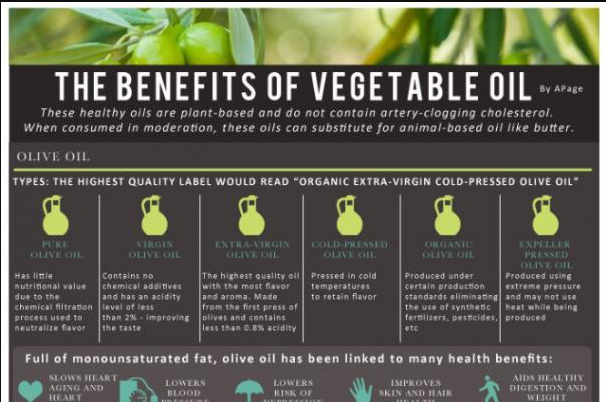
Which vegetable oils are the healthiest, and how can you add them to your diet?
About vegetable oil
The name is a bit misleading, as vegetable oil does not always come from vegetables. It is extracted from a variety of fruits, seeds, grains and nuts. Vegetable oil comes in many varieties for many cooking purposes. The healthiest vegetable oils are:
- Canola
- Corn
- olive
- Peanuts
- Saffron
- Soybean
- Sunflower
Even healthy oils should be used in moderation because they are high in calories and mostly fat. When cooking with vegetable oil, consider different types of fat.
Saturated fat. Saturated fat usually comes from animal sources such as lard and butter. They raise the level of cholesterol in your blood, which puts you at risk for heart and cardiovascular disease. When choosing an oil, look for one that is low in saturated fat.
trans fat. Like saturated fat, trans fat contributes to an increased risk of heart and cardiovascular disease. These fats come from foods that contain hydrogenated or partially hydrogenated oils, such as processed foods. They should be avoided when possible.
Monounsaturated fat. They are also called omega-9 fatty acids and oleic acids. Monounsaturated fats contribute to good cholesterol levels and reduce your risk of heart and cardiovascular disease. Olive oil, canola oil, sunflower oil, hazelnut oil, and almond oil are all known to be high in monounsaturated fats.
Polyunsaturated fats. They are also called omega-3 and omega-6 acids. This type of fat helps maintain cell membranes that regulate your body’s processes, such as regulating cholesterol metabolism in your blood. Polyunsaturated fats also help your body absorb fat-soluble vitamins A, D, E, and K.
Understanding how vegetable oils contribute to health
Your body needs fats to function, but they should be eaten in moderation. Small amounts are enough. Diets high in saturated and trans fats can lead to the development of health conditions such as autoimmune diseases, cancer and heart disease. This fat also leads to insulin resistance and possibly diabetes.
Consider your entire diet. Oil has nine calories per gram, while protein and carbohydrates have four calories per gram. Even healthy oils like avocado and olive oil are fat. Your fat intake should not exceed 25%-35% of your calories each day. Also, keep in mind that sugar and salt are often added to flavor processed foods to reduce fat content. These may not be ideal exchanges.
Choose nutritious oils. There is no doubt that certain oils can play a positive role in your health. Olive oil can lower LDL bad cholesterol while increasing HDL good cholesterol levels. Olive oil also contains beta-carotene and other excellent nutrients like vitamins A, E, D and K.
Think about how you cook with oil. If you use oil for deep frying, your food absorbs more oil. Instead, try frying with less oil. Over time, the high heat of roasting also promotes free radicals that can increase your risk of skin cancer.
Remember that all oils safe for use at very high cooking temperatures should be used in limited amounts. Vegetable oils can be used in the stove and oven, and can be enjoyed in things like dressings.
How is vegetable oil produced?
Some oils, such as olive oil, are easy to make. The olives only need to be crushed, and the resulting oil is filtered and ready for use. Other oils have more complex processes. The plants, nuts, and seeds are crushed to make their oil, which sometimes requires chemicals for complete extraction. The remaining solid material is used to feed animals and livestock.
Refining: Next, the oil is treated with phosphoric acid, which separates the gum from the oil. The oil also has to be treated with caustic soda, which removes the free fatty acids that can give the oil a soapy consistency.
Bleaching: After refinement, the oil is heated and mixed with filter aids that absorb any color and impurities in the oil. These add-ins are removed after doing their job.
Deodorizing: Finally, the oil is heated to 480 degrees F under vacuum. This process creates steam bubbles that remove remaining fatty acids and impurities. After deodorizing is complete, the oil is ready to be packaged and used in your kitchen.
They are sometimes high in trans fats.
Commercial vegetable oils may also contain trans fats, which are formed when the oil is hydrogenated.
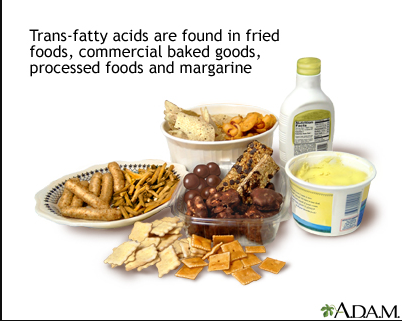
Food producers use hydrogenation to harden vegetable oils, making them solid like butter at room temperature.
For this reason, the vegetable oils found in margarine are usually hydrogenated and full of trans fats. However, trans fat-free margarine is becoming increasingly popular.
However, non-hydrogenated vegetable oils may also contain some trans-fat. One source looked at vegetable oils in the United States and found that their trans-fat content varied between 0.56% and 4.2% (9Trusted Source).
High intakes of trans fats are linked to all kinds of chronic diseases, including heart disease, obesity, cancer, and diabetes ( 10Trusted Source ).
If a product lists hydrogenated oil as an ingredient, it likely contains trans-fat. For optimal health, avoid these products.
Vegetable oil and heart disease
Health experts often recommend vegetable oils for people who are at risk of heart disease.
This is because vegetable oils are generally low in saturated fat and high in polyunsaturated fat.
The benefits of reducing saturated fat intake are controversial.
However, studies show that replacing saturated fat with polyunsaturated fat reduces the risk of heart problems by 17 percent, but has no significant effect on the risk of death from heart disease (1Trusted Source).
Additionally, omega-3 polyunsaturated fatty acids have more benefits than omega-6 (4Trusted Source).
Nutritionists have expressed concern about the high levels of omega-6 found in certain vegetable oils. However, there is currently no solid evidence that omega-6 fats affect your risk of heart disease (11Trusted Source).
In conclusion, moderate consumption of vegetable oils seems to be a safe bet if you want to reduce your risk of heart disease. Olive oil may be one of your best options (12 Trusted Source).
The bottom line
Carrier oils make it possible to use essential oils safely. They also help nourish and moisturize your skin. Not all oils make good carrier oils though. You should avoid using things like butter, petroleum jelly and mineral oil.
Whatever oil you choose, avoid using it on your lips, eyes, or other sensitive areas after mixing it with an essential oil. However, you can safely apply only carrier oil to these areas.
Vegetable oils are generally considered healthy sources of fat.
Exceptions are hydrogenated vegetable oils that are high in unhealthy trans fats.
Some nutritionists are also concerned about the high amount of polyunsaturated omega-6 fats found in certain vegetable oils.
Olive oil is an excellent example of a healthy vegetable oil that is low in omega-6. This may be one of your best options.