Carrier oil vs base oil
Carrier Oil vs Essential Oil – What’s the Difference? A quick guide
Do you know the difference between a carrier oil and an essential oil? Many people don’t understand, but this is an important distinction to understand. Carrier oils are vegetable-based oils that are used to dilute essential oils before applying them to the skin. Essential oils, on the other hand, are concentrated plant extracts that contain the desired therapeutic properties of the plants from which they are derived. In this blog post, we’ll explore the differences between carrier oils and essential oils, and we’ll also take a look at the most popular carrier and essential oils on the market.Carrier Oil vs Essential Oil – What’s the Difference? A quick guide to loving essential oils
A Quick Guide: Carrier Oils vs Essential Oils – What’s the Difference? When it comes to the world of oils, there is a lot of confusion about the difference between essential oils and carrier oils. Briefly, carrier oils are the base oils used in aromatherapy, while essential oils are pure, concentrated extracts of plants.
What comes to mind when you hear the words “essential oil”? Chances are, you think of aromatherapy and healthy living. But what is an essential oil, anyway? And what is the difference between an essential oil and a carrier oil?
The popularity of essential oils has led to increased interest in carrier oils. In this post I share their similarities and differences, as well as how they can benefit both your health and fitness.
What is carrier oil?
Carrier oils are used in aromatherapy as a base to dilute essential oils before applying them topically to the skin. They help transport essential oils to the skin. They are also used to make aromatherapy blends and DIY essential oil recipes.Carrier oil has its own beneficial properties. Some people use carrier oil as a skin moisturizer.
What is an essential oil?
Essential oils are concentrated plant extracts that have the desired therapeutic properties of the plants from which they are derived. Essential oils have a higher percentage of aromatic compounds than carrier oils, which is why they smell so good.
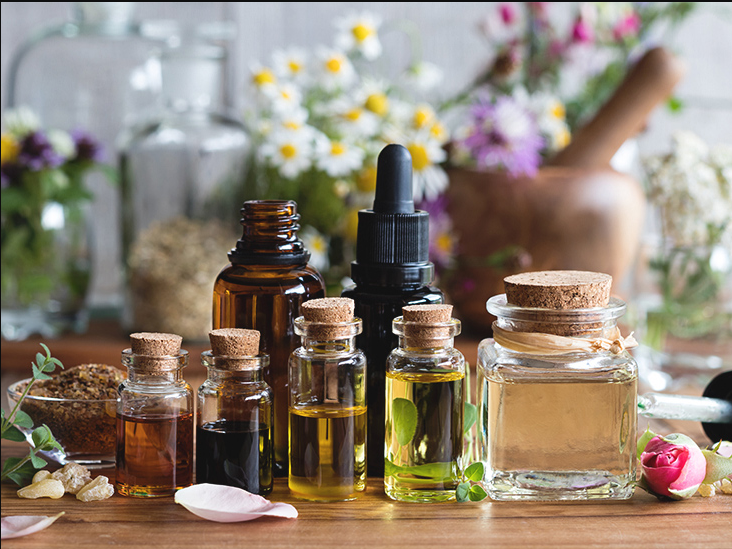
Essential oils are also more potent, which means smaller amounts are needed for therapeutic purposes and why they must be diluted before applying to the skin.What’s the Difference Between Essential Oils and Carrier Oils – A Quick Guide to Falling in Love with Essential Oils
Carrier Oil vs Essential Oil – What’s the Difference?
Here’s a chart to highlight the difference between carrier oils and essential oils:
Carrier oil/Essential oils
- A natural oil made from the fatty part of a plant, usually seeds, nuts or kernels. A concentrated oil made from various parts of plants and trees such as leaves, roots, flowers, seeds, bark, wood, resin and fruits.
- The most common extraction method is cold-pressed The most common extraction method is steam distillation (Citrus oil is usually cold-pressed).
- fixed oil; They do not evaporate volatile oils. They evaporate quickly
- Can be applied liberally to the skin as is (no dilution required), or used as a base to dilute essential oils too strong for topical application. It should be diluted in a carrier oil before topical application.
- Light, very fragrant to no scent
- They nourish and moisturize the skin as well as protect it. They offer therapeutic properties and unique benefits of aromatherapy.
- The term “carrier” can refer to any substance used to dilute essential oils. These commonly include creams, unscented lotions, butters, and aloe vera gel. So, the next time you’re wondering about the difference between a carrier oil and an essential oil, now you know!
What are some examples of carrier oils?
Carrier oils are made from a variety of plant sources including nuts, seeds and vegetables. There are many different types of carrier oils that can be used with or without your essential oil.

Carrier oils can be used with essential oils to dilute them, making them less potent and safer to use on the skin. They also help essential oils to be better absorbed by the skin.
The skin is the largest organ in your body, so it’s important to keep it healthy. The nourishing and moisturizing properties of carrier oil can help you achieve this.
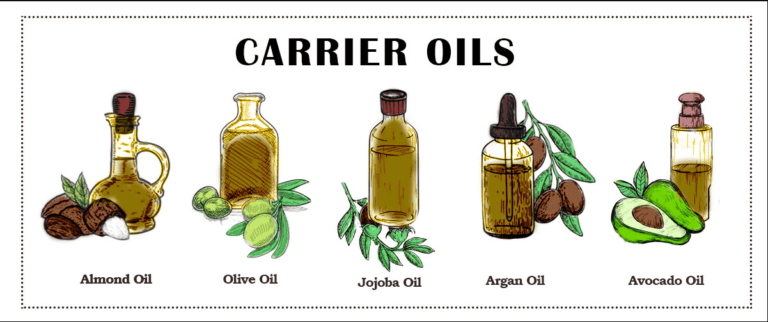
- Here are some favorite carrier oils:
- Jojoba oil
- Sweet almond oil
- Fractionated coconut oil
- Rose oil
- Grape seed oil
- Each of these carrier oils has its own unique properties and benefits. Click on the links above to learn more about what each has to offer.
- What are some examples of essential oils?
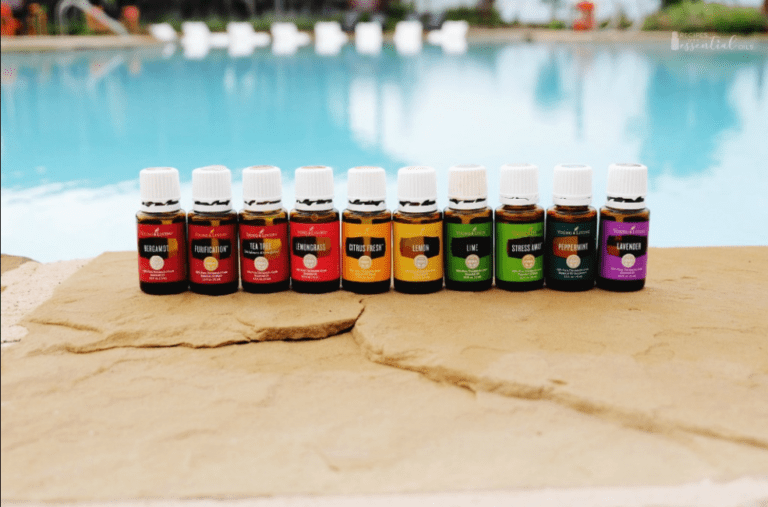
- Some examples of essential oils are:
- Lavender essential oil
- Patchouli essential oil
- Lemongrass essential oil
- Tangerine essential oil
- Sweet Marjoram Essential Oil
- What are the benefits of using carrier oils with essential oils?
- When using essential oils, it is important to use as few drops as possible.
- What is the composition of carrier oil?Extracting carrier oil?Carrieroil?Storing carrier oil?
- In essence…
- “Carrier oil” is a term given to base oils that dilute essential oils before topical application, as the latter are too potent for direct application to the skin.
- Although also known as vegetable oils, not all carrier oils are derived from vegetables. Many are pressed with seeds, nuts, or seeds.
- Carrier oils are also called “fixed oils”, due to the fact that they do not evaporate quickly from the surface of the skin and remain “fixed” on the skin.
- Carrier oils are an important aspect of aromatherapy massage or natural cosmetics, as they can affect the benefits and efficacy of essential oils and the color, aroma, therapeutic properties and shelf life of the final product, respectively.
Each carrier oil contains different ingredients that exhibit distinct characteristics such as color, viscosity, and speed of penetration while offering therapeutic properties.
Carrier oils have been used since ancient Greece and Rome when aromatic oils were used in massages, baths, cosmetics and medicinal applications. In the 1950s, Marguerite Morey, the first to use individually prescribed combinations of essential oils for an individual’s desired therapeutic effect, began diluting essential oils in vegetable carrier oils and using Tibetan techniques. While doing this he started massaging his skin applying pressure along with it. embankment
“Carrier oil” is a term commonly used in the context of aromatherapy and cosmetic formulations for natural skin and hair care. This refers to base oils that dilute essential oils before topical application, as the latter are too potent to apply directly to the skin.
Although also known as vegetable oils, not all carrier oils are derived from vegetables. Many are pressed with seeds, nuts, or seeds. Carrier oils have also earned the moniker of “fixed oils” due to the fact that they stay on the skin. This means that unlike essential oils, they do not evaporate from the skin’s surface or contain strong, natural plant scents, allowing them to control the concentration of the essential oil and reduce the strength of the essential oil’s aroma. makes it ideal for, without altering its therapeutic properties. . .
Carrier oil is an important aspect of an aromatherapy massage or natural cosmetic such as bath oil, body oil, cream, lip balm, lotion, or other moisturizer, as it can affect the effectiveness of the massage and the color, scent, Therapeutic properties, and the shelf life of the final product, respectively. By providing the lubrication needed for massage, light and non-sticky carrier oils effectively allow the hands to glide easily over the skin while penetrating the skin and carrying essential oils into the body. Carrier oils can also prevent potential irritation, sensitivity, redness, or irritation that can occur from the use of essential oils, absolutes, and CO2 extracts.
Composition of carrier oil
Each carrier oil contains different ingredients that exhibit different properties, such as color, viscosity, and speed of penetration, offering a variable combination of therapeutic properties; As such, they have valuable effects even when used on their own. Carrier oils typically contain ingredients such as fat-soluble vitamins, minerals, antioxidants, and other nutrients that add moisture to improve skin and hair texture, soothe irritation, and reduce the effects of dryness. reduce The choice of carrier oil depends on the desired results.
Although not all of the ingredients listed below apply to all types of carrier oils, most types have these basic ingredients:
Minerals are known as:
- Brighten dull colors.
- Protection against environmental stress
- Balance oil production while being gentle on sensitive skin
- Encourage exfoliation.
- Firm and tighten skin for a smoother appearance.
- Maintain skin moisture levels
- Vitamins are known as:
- Maintain and repair vital skin tissue.
- Control acne.
- Reduce lines and wrinkles.
- Hydrate skin to promote a healthy glow.
- Demonstrate anti-inflammatory properties.
- Even skin color
- Styrol is known as:
- Reduce age spots.
- Repair sun-damaged skin.
- Minimize the appearance of scars.
- Moisturize and soften skin and hair.
- Oleic acids are known as:
- Maintain softness, smoothness and shine of skin and hair
- Stimulate the growth of thicker, longer and stronger hair.
- Reduce the appearance of aging, such as premature wrinkles and fine lines.
- Eliminates dryness and thus helps in hair growth.
- Boost immunity.
- Exhibit antioxidant properties.
- Prevent joint inflammation, stiffness and pain.
- Linoleic acids are known as:
- Moisturize the hair and promote its growth.
All About Jojoba Carrier Oil
Known for a chemical composition that closely resembles the sebum found in human skin, the liquid commonly known as jojoba oil is not an oil but a liquid wax ester. Discover why and how it can effectively grow skin and hair.
All about castor carrier oil
The benefits of castor oil were popularized by the “Father of Holistic Medicine,” who taught the public about its healing properties for a wide range of health problems. Discover what makes castor oil such a powerful treatment around the world.
Semi-carrier oil: India’s exotic emollient
According to Hindu texts, neem is called “SarvaRogaNivarini,” which means “he who cures all diseases and ailments.” Discover more about what makes neem oil one of the most popular choices for use in soaps, cosmetics, massage oils, and more!
All about olive carrier oil
The tradition of using olive oil as an antibacterial agent, cleanser, moisturizer and massage oil continues today. Discover how this “liquid gold” can be used for cosmetic and pharmaceutical purposes.
Carrier Oils: A Detailed Guide to Types, Benefits, Uses & More!
What are carrier oils? Learn more about how these essential oils are an important aspect of aromatherapy massages and natural skin care and hair care cosmetics.

EXPELLER PRESSING is a mechanical extrusion processing method similar to cold pressing that involves the use of a hydraulic press that generates heat. It is important to note that all cold-pressed oils are expeller-pressed, but that not all expeller-pressed oils are necessarily cold-pressed. Oils that have only undergone expeller pressing have not been processed to maintain a low heat level and this can potentially damage the oil’s delicate nutrients. If the temperature rises above 120 ᵒC (250 ᵒF) it is no longer considered cold pressed but is called Expeller Pressed.
Expeller pressing is usually identified by the abbreviation RDB, which stands for “Refined, Deodorized and Bleached”. Extra-pressed oils are usually RDB, which stands for “refined, bleached and deodorized.” This refining process helps remove impurities, improve color or texture, or stabilize shelf life, making these oils suitable and economical for use as cosmetic bases.
Refining involves introducing the oil into a weak base solution to convert the free fatty acids into soap. It is centrifuged and washed with water until a pure oil remains.
Bleaching involves removing or improving the color and clarity of the oil by passing it through mud or clay and filtering the oil. Deodorizing removes unpleasant or strong odors by evaporating the oil and vacuuming out its volatile aromatics.
Another refining process is winterization, which involves cooling the carrier oil and filtering it to remove solid crystallized fractions to yield a lighter, cleaner oil.
Extractor suppressor
OIL MACERATION is used for plants that do not contain enough oil to be extracted by pressing methods. An advantage of this method is that the resulting oil retains the pleasant aromas of the botanicals used, and these aromas can be imparted to skin care products.
A macerated oil is a vegetable oil used as a solvent or base oil to extract the fat-soluble properties of other plant materials and add their therapeutic properties. For this reason, a macerated oil is sometimes called an infused oil. Olive or sunflower oils are the most commonly used base oils.
When inoculating, dry vegetation is used to prevent the risk of microbiological infection from wet vegetation. First, the plant material is crushed and soaked in a base oil for a specified period of time. Sometimes a low heat is applied to the base oil to facilitate infusion. The plant material is then filtered to remove any traces of plant matter, resulting in a final product that contains the healing properties of both the vegetable oil and the infused botanicals. are The same base oil may continue to be blended several times, sometimes with additional plant material.
Refined oils are ideal for use in natural cosmetics, as oils with dark colors and strong odors can have a negative effect on a finished cosmetic product.
SOLVENT EXTRACTION is a method that applies to carrier oils in a similar way to essential oils. It involves soaking the plant material in a solvent such as ethanol, petroleum ether, hexane or methanol. The cell membrane of the plant material is ruptured and the oil is synthesized with the solvent. The solvent is then filtered and the resulting oil is bottled. Low concentrations of solvent residues may remain in the oil, thus preventing it from being 100% pure.
Contraindications of carrier oil
Peanuts fall into the legume category and are therefore not considered “true” nuts. However, like real nuts, they continue to contribute to the potential for causing allergic reactions, regardless of their concentration. Because nut oils usually do not contain the plant proteinases that cause allergies, they are generally not allergenic, but it is highly recommended that peanuts and tree nuts be avoided. Derived oils should be avoided by those with nut allergies. Purity cannot be guaranteed. Instead, these oils can be replaced with other hypoallergenic oils.
Carrier oil quality
A high quality carrier oil will be as natural and unadulterated as possible and will ideally be cold pressed. Organic carrier oils are generally considered the highest quality, but even these will degrade over time. Oil quality can be determined by the following factors: aroma, extraction method, consistency and rate of absorption, natural fatty acids and tocopherols, and shelf life, among other properties.
AROMA Generally, carrier oils are either odorless or have a mild, distinctive aroma that is mild, sweet, and/or characteristic of the nut or seed from which they are derived.
Extraction Method The ideal carrier oil for use in natural products is cold-pressed (raw), organic, uncertified, extra-virgin oil.
CARRIER OILS GUIDE
| OIL TYPE/MAIN CONSTITUENT | BENEFITS | CARRIER OILS |
| THIS TYPE OF OIL… Nut Oils | IS REPUTED TO (BE) Extremely emollient and soothing for sensitive, dry, inflamed and sore skinEfficient in face mask treatments for acne-prone skinStimulate circulationAnti-inflammatoryFacilitate wound healingMaintain skin tightness and elasticity | LOOK FOR AlmondHazelnutMacadamiaWalnut |
Seed Oils | Condition skin to rejuvenate complexion, especially in mature or prematurely aging skinRepair damage caused by drynessSoothe itching and discomfort caused by burnsReduce appearance of scarring | BaobabBlack CurrantBorageBroccoliCarrot |
Fruit Oils | Gentle and nourishing light in texture to moisturize without leaving a greasy residue reduce the appearance of aging skin suitable for sensitive skin cleansing and softeningExhibits anti-oxidant properties | ApricotAvocadoGrape SeedPeach KernelOlive |
Essential Fatty Acid Oils | Hydrate and soothe itchy, dry, inflamed, and acne-prone skinAnti-inflammatory, Anti-bacterial, Anti-fungal, Anti-septicBalance essential fatty acid deficiency and skin’s oil production balance hormonesDemonstrate reparative and astringent properties that facilitate wound healing | ArganBabassuCalendula |
CARRIER OIL ABSORPTION RATES
| ABSORPTION RATE | FINISH ON SKIN | CARRIER OILS |
| VERY FAST | THESE OILS ARE Considered to be drying, because they are quickly absorbed by skin and do not leave a greasy residue High in polyunsaturated fats | LOOK FOR Hazelnut (CP)Rosehip (Extra Virgin, CP) |
FAST | These light oils are quickly absorbed by skin but leave a smooth, silky finish. Skin will feel moisturized rather than greasy | Apricot Kernel (CP)Camellia Seed (CP)Grape SeedMeadowfoamSafflowerCanolaFractionated CoconutPrickly PearBroccoli Seed |
AVERAGE | These oils leave a silky feeling on the skin | Hemp Seed (Unrefined, CP)Jojoba (CP)ArganBabassuRaspberry SeedSesame |
SLOW | These oils could feel gummy or waxy before they warm up to body temperature. They tend to leave skin with a slight oily residue | Carrot (Macerated, CP)Pomegranate (Refined, CP)Sea Buckthorn (CO2)Black Currant SeedTamanu (Madagascar, CP)Avocado (Refined, CP)CastorOatFlax Seed (CP)Sweet Almond (Sweet Virgin, CP)Kuikui Nut (CP)Olive (Extra Virgin, CP)Sunflower (CP) |
VERY SLOW | These oils may need to have gentle heat applied to them before use. They tend to feel heavy on the skin and leave a thick, oily, and moisturizing barrier on the skin but are absorbed by the skin eventually Higher in saturated fats and have a longer shelf life than those that dry quickly |
These rates are general and may vary between suppliers, as the speed of absorption depends on the extraction method. These are largely the carrier oil absorption rates of New Directions Aromatics.
Carrier Oil Diff User
When diffusing essential oils in most nebulizers and electric diffusers, a carrier oil is not required. However, they can be added to a red diffuser in place of a water and alcohol base to reduce the otherwise potentially overpowering aroma of essential oils.
Where to buy carrier oil?
Carrier oils can be purchased almost anywhere – health food stores, grocery stores, online through a favorite vendor’s website, and directly from essential oil companies. When purchasing, it is a good idea to consider the intended use of the oil and the oil grade required for the intended purpose. Reputable companies that distribute quality carrier oils are highly recommended.
New Directions Aromatics has been selling high-quality carrier oils for over 20 years and is NDA Kosher, Vegan, and USDA Organic (US Department of Agriculture) certified, along with being cruelty-free. As confirmed by our ISO (The International Organization of Standardization) certification, quality assurance is of utmost importance to us, thus we provide meticulous documentation and certification for each of our products to ensure that To ensure that the highest quality is always delivered to our customers.
We source our products from ethical producers around the world and, if there are products that we do not currently sell, we have the ability to source them on a special order basis. Due to ongoing relationships with leading distilleries and growers around the world, New Directions Aromatics offers highly competitive prices by eliminating the need for multi-level marketing that sells products at inflated prices through middlemen. What is the difference between a carrier oil and an essential oil?
The main difference between carrier oil and essential oil is that carrier oil can be used directly on the skin while essential oil cannot be used directly on the skin.
Essential oils, which are natural oils extracted from plant parts, are highly concentrated and too potent to apply directly to the skin. Carrier oils are oils that we can use to dilute essential oils so that they are safe to use on the skin.
Key areas are covered.
- What is a carrier oil?
Definition, Nature, Uses
- What is an essential oil?
Definition, Nature, Uses
- Difference between carrier oil and essential oil
Comparison of key differences
- Key terms
- Oil Differences Between Base Oils, Carrier Oils, Essential Oils, Carrier Oils and Essential Oils – Comparison Summary.A carrier oil is a plant-based oil with little or no fragrance that helps dilute essential oils. They are also called base oil or fixed oil. We call them carrier oils because they have the ability to carry essential oils into the skin. They help spread essential oils more evenly across the skin. Furthermore, the absorption of the essential oil will depend on the thickness of the carrier oil. Also, essential oil dilution depends on the type of oil, where the oil is applied, as well as the person’s size and health.
- Carrier oils are usually obtained from the fatty parts of plants such as seeds, kernels or nuts. Coconut oil, olive oil, sesame oil, jojoba oil, sweet almond oil, apricot oil, hemp oil, sunflower oil, avocado oil, hazelnut oil and flaxseed oil are some examples of carrier oils.
Key Difference – Carrier Oil vs Essential Oil
Olive oil

When choosing a carrier oil that suits you best, you need to consider several factors such as your skin type, where you will be applying the oil and whether or not you have any allergies. To find a carrier oil that works best for you, you can experiment with a few oils using a patch test. Then you can see how your skin reacts and choose the best carrier oil for you.An essential oil is a natural oil that has the characteristic aroma and flavor of a plant or other source from which it is extracted. In other words, it captures the ‘essence’ of the plant from which it was extracted. They carry the essence of flowers, leaves, seeds, roots and other plant parts. These oils are obtained by distillation or mechanical methods, such as cold pressing. Lavender oil, orange oil, tea tree oil, sandalwood oil, peppermint oil, rosemary oil, cinnamon oil, and lemon oil are some examples of essential oils.
Lavender oil
It is important to know that essential oils are produced from a single plant species (lavender to lavender oil) and that not all plants produce essential oils. Moreover, you will find essential oils sold in raw form, bottled in colored bottles. You can also find them in products like soaps, perfumes, creams, lotions, shampoos, bath salts, and candles.
Essential oils are highly concentrated and volatile. They are too powerful to apply directly to the skin. This is why we dilute them using a carrier oil before applying them to the skin.A carrier oil is a plant-based oil with little or no fragrance that helps dilute essential oils while an essential oil is a natural oil that has the characteristic aroma and flavor of the plant or other source from which it is derived. It is removed.
fragrance
While carrier oils are lightly scented or unscented, essential oils are highly scented.
- Application on skin
- Carrier oils can be applied directly to the skin while essential oils cannot be applied directly to the skin.
- The nature
- Additionally, carrier oils are not very strong/potent or volatile, while essential oils are very concentrated, potent and volatile.
- Source
- Carrier oils are usually obtained from the fatty parts of the plant such as seeds, kernels or nuts, while essential oils are obtained from the flowers, leaves, seeds, roots and other parts of the plant.
- Examples
- Coconut oil, sweet almond oil, sesame oil, jojoba oil, and olive oil are some examples of carrier oils, while rosemary oil, lavender oil, orange oil, sandalwood oil, and cinnamon oil Examples of essential oils are:
- Price
- Also, carrier oils are cheaper than essential oils.
- What are carrier oils?
- Carrier oils and essential oils are made from plants. Carrier oils are used to dilute essential oils and carry them to your skin. This is because essential oils are potent and can cause irritation when applied directly to your skin.
- Most carrier oils are unscented or lightly scented and do not interfere with the healing properties of essential oils. They can be used alone or with other oils to nourish your skin.
- Keep reading to learn more about choosing the right carrier oil, some of the different carrier oils available, and more.
- Sponsored by YELP
- Team Patrol
- View More
How to Choose the Carrier Oil You Need
- There are many carrier oils available. Most are suitable for use with any essential oil, but there are a few things you should consider before choosing one.
- Odor: Some carrier oils have a distinct odor. When added to essential oils, it can change the aroma.
- Absorption: Your skin may absorb some carrier oils better than others.
- Skin type: Depending on your skin type, some oils can irritate the skin or worsen skin conditions such as acne.
- Shelf Life: Some carrier oils can be stored longer than others without spoiling.
- The US Food and Drug Administration does not regulate carrier oils labeled for use as cosmetics. However, they regulate edible cooking oils that can serve double duty as carrier oils.
- You should only buy a therapeutic grade carrier oil from a manufacturer you trust. Look for oils that are cold-pressed, 100 percent pure, and additive- or preservative-free. If you want to use cooking oil as a carrier oil, choose cold-pressed, organic varieties.
- The following list includes popular carrier oils that are used to dilute essential oils in aromatherapy, massage and skin care. The list is not exhaustive, but it is a good place to start.
Coconut oil
Coconut oil is an edible oil made from mature coconut flesh. It is available in refined or unrefined varieties.
Unrefined coconut oil comes from fresh coconut meat. It is not processed with chemicals and retains its coconut aroma and taste.
Refined coconut oil comes from the flesh of the dried coconut, also known as copra. It is bleached and deodorized to remove contaminants as well as the distinctive aroma and taste of coconut. Refined coconut is not completely natural and is not recommended for use as a carrier oil.
Uses: Coconut oil contains skin-nourishing fatty acids and polyphenols, making it an excellent carrier oil for massage oils and skin care preparations.
2. Jojoba oil
Jojoba oil comes from the seeds of the jojoba plant. It has a delicate, nutty scent. Technically, jojoba is not an oil, but a wax with powerful moisturizing properties. It closely mimics the skin’s natural oil, sebum.
Using jojoba oil can help reduce skin oil production in people with acne and trick the skin into thinking it’s producing enough oil.
Usage: Jojoba oil is easily absorbed into the skin and does not clog pores. This makes it a good carrier oil option for massage oils, facial moisturizers and bath oils.
3. Apricot kernel oil
Apricot kernel oil is made from apricot seeds, also known as kernels. It is an emollient oil that is high in fatty acids and vitamin E. It absorbs easily into the skin and has a slightly sweet, nutty scent. You can buy edible apricot oil, or buy apricot oil for cosmetic use only.
Uses: Apricot kernel oil is believed to help soothe and calm irritated, itchy skin. Use it as a carrier oil to make massage oils, bath oils, and hair care products.
4. Sweet almond oil
Sweet almond oil has a strong, nutty aroma. It is an edible oil made from the kernel of sweet almonds. The oil is lightweight and easily absorbed, and is an excellent moisturizer for dry skin.
It is also used in general aromatherapy, but its strong scent can mask the aroma of essential oils.
Uses: Sweet almond oil is one of the most popular carrier oils for skin care. It is great in massage oils, bath oils and soaps.
5. Olive oil
Olive oil comes from pressed olives. It is known as a healthy, edible oil with a fruity aroma, but is also used as a carrier oil in aromatherapy.
Extra virgin olive oil is the preferred type for aromatherapy and skin care preparations. The aroma of olive oil can interfere with the aroma of some essential oils.
Uses: It is packed with fatty acids and plant sterols, making it perfect for cleansing and moisturizing dry skin. Use olive oil as a carrier oil for massages, facials, hair care and household soaps.Carrier oils, also called base oils or vegetable oils, are used in massage and aromatherapy to dilute essential oils and absolutes before applying to the skin. They are so named because they carry essential oils to the skin. Only essential oils are volatile. They begin to fade as soon as they are applied. The dispersion rate will vary based on how light or heavy the carrier oil is. . . Nor do they evaporate like essential oils, which are more volatile. The carrier oil used should be as natural and unadulterated as possible. Many people feel that organic oils are of higher quality. Cold pressing and maceration are two main methods of producing carrier oil.
There are a range of different carrier oils, each with different therapeutic properties. The choice of oil will depend on the area to be massaged, [3] the presenting conditions and the sensitivity and needs of the client. For massage, viscosity is an important consideration; For example, grape seed oil is usually very thin, while olive oil is much thicker. Sunflower, sweet almond, and grape seed oils have viscosities in the middle between these extremes. Carrier oils can be easily blended to combine properties such as viscosity, acceptability, lubrication, absorption, fragrance, etc.
An infused oil is a combination of carrier oil and plant material and can be prepared commercially or at home. A base oil, often sunflower, is placed in an airtight container with suitable plant material for a period of time. Calendula and carrot oil are prepared in this way.
High-quality oils sold for culinary use are often remarkably suitable for massage use, and are economical. Cold pressed ones are preferred. All carrier oils should be kept cool, and away from strong light, to prevent rancidification. Impure oils should be avoided. Refrigerating oils helps keep them fresh, but some oils should not be refrigerated (such as avocado). Very cold oils may appear cloudy, but regain their clear state when returned to room temperature.
Sources disagree passionately on the suitability of mineral oil as a carrier oil. . [5] Mineral oil marked as “USP” also meets US Pharmacopoeia standards.
What is the difference between an essential oil and a carrier oil?
Although they are both called “oils”, they are completely different. Essential oils are aromatic extracts of aromatic and medicinal plants and carrier oils are lipid or fatty extracts extracted from plant seeds.
When you touch an essential oil, it feels light and non-greasy and probably evaporates very quickly, whereas when you touch a carrier oil, it’s a heavier, oily layer on your skin’s surface. Feels sharper and sits longer and likely won’t evaporate.
So why are they both called “oils”?
Well the answer lies in their chemistry – meaning the molecules they both contain behave the same way around water: neither the carrier oil nor the essential oil will dissolve in water, they will always remain separate. There’s a fancy science word for that: non-polar.Let’s take a more in-depth look at essential oils and carrier oils:Essential oils are liquid aromatic substances extracted from many different parts of aromatic plants, such as seeds, roots, flowers, leaves, citrus peels, wood, needles, cones, and resin. The different ways we use essential oils, such as applying them to our skin and simply smelling them, are called “aromatherapy.”
Think of plants you know like peppermint, basil, rose, lavender and rosemary. They are very fragrant, aren’t they? And in order for us to capture their fragrance, and use it to benefit our health and well-being, we extract the fragrance through a process of steam distillation. Extracting the “invisible” aroma and turning it into a “visible” liquid extract – called an essential oil.
These liquid extracts are very concentrated. In fact, it can take over 100 pounds of plant material to yield just 4 to 8 ounces of essential oil! So this tells us that essential oils are highly concentrated and should be used with caution.
A pure high-quality essential oil contains only the unique and special molecules that are produced during the distillation process. Nothing has been added or taken away. Therefore, the resulting essential oil is 100% genuine and authentic.
Why are essential oils called essential oils?
The story of why essential oils are called essential oils has an interesting origin. During the Middle Ages, alchemists were endlessly fascinated by the hidden properties of aroma. He believed that scent is connected to identity, soul, spirit – the parts of our human existence that we cannot see or touch. They believed that our sense of smell connected us to the invisible realm, where “essence” and “existence” reigned.In their attempts to extract scents from aromatic plants, they called the resulting waters and extracts “essences”—hence, “essential” oils.
But what about that word: “oil” – you might be asking?
Remember what I mentioned above: essential oils do not dissolve in water! They float above the surface, or sink into droplets – refusing to merge and mix. This unique physical characteristic chemically classifies it as an “oil”. And the properties of oil and water are incompatible. They separated from each other.
What are essential oils made of?
Essential oils are composed of naturally occurring chemical compounds, i.e. molecules, that are created and produced by plants themselves to sustain their life.

And it’s these unique chemical compounds that scientists study so we can understand why and how essential oils work.
For example, why does lavender make many of us feel sleepy? Well, research has shown that lavender essential oil contains a molecule called linalool, which has a calming effect on our nervous system.Carrier oils, also commonly called vegetable oils, are extracted from seeds, nuts, and whole fruits by pressing (using a type of pressing machine that extracts the oil rather than steam like essential oils). distilled from).
They are called “carrier” oils because we use them to dilute and blend our essential oils in a wide assortment of topical treatments and applications that intentionally deliver the essential oil’s powerful molecules to our skin. through, into our bodies.
Without a carrier oil, directly applied essential oils will quickly evaporate from the surface of our skin and lack the ability to absorb properly, where it can ultimately offer amazing physical healing benefits.
On its own, carrier oil has incredible therapeutic benefits that support skin health and vitality. They share a similar chemistry to our own skin, which is also made up of fatty molecules. Carrier oil contains a rich array of fat-soluble vitamins, fatty acids, and essential fatty acids that not only help nourish the skin, but also protect the skin’s barrier function, protecting it from damage and repairing it. (whether from the sun or free radicals), and prevent transepidermal water loss, which is often the culprit for dry, damaged and aging skin. It is because of them.
Guide to Carrier Oils
Pictured above are a variety of cold-pressed vegetable oils ranging in color from clear fractionated coconut oil to dark avocado oil.Carrier oil is a vegetable oil obtained from the fatty parts of plants, usually seeds, kernels or nuts.
Carrier oil
Essential oils, absolutes, CO2s and other concentrated fragrances can cause severe irritation, sensitivity, redness or irritation or other reactions if applied to unpigmented skin. Carrier oils are used to dilute essential and other oils before topical application (it is important to ensure that the essential oil is properly diluted). The term carrier oil is derived from their purpose of transporting essential oils to the skin. Aloe vera gel and unscented body lotion are also commonly used as “carriers”. However, for the scope of this article, we will focus on using natural vegetable oils as a carrier.
Each carrier oil offers a different combination of properties and characteristics. The choice of carrier oil may depend on the benefit being sought.
Natural lotions, creams, body oils, bath oils, lip balms and other moisturizing skin care products are also made using vegetable (carrier) oils. From a simple essential oil/carrier oil blend to a more complex natural lotion, your choice of carrier oil can make a difference in the properties, color, overall aroma and shelf life of your final product.Add essential oil, drop by drop, to one tablespoon of carrier oil.
Essential oils vs. carrier oils
Essential oils are distilled from leaves, bark, roots and other aromatic parts of plants. Essential oils evaporate and have a concentrated aroma. Carrier oils, on the other hand, are pressed from the fatty parts (seeds, nuts, kernels) and do not evaporate or smell like essential oils. Carrier oils can go bad over time, but essential oils don’t. Instead, essential oils “oxidize” and lose their therapeutic benefits, but they don’t go rancid.
Vegetable oils are also called carrier oils or base oils.
The term carrier oil is generally limited to use within the practice of aromatherapy. In natural skin care, carrier oils are commonly referred to as vegetable oils, fixed oils or base oils. Not all fixed oils/base oils are vegetable oils. Emu oil (from the emu bird) and fish (sea) oil are also classified as fixed/base oils, but these animal-based oils are not commonly used for aromatherapy work.
After reading this article, be sure to check out AromaWeb’s Guide to Carrier Oils to see the profiles and properties of many carrier oils used in aromatherapy and skin/hair care.
Carrier oil fragrance
Some carrier oils are odorless, but in general, most have a mildly sweet, nutty scent. If you get a carrier oil that has a strong, bitter smell, the carrier oil may have gone dirty, but some carriers like neem or tamanu are very strong. See the Carrier Oil and Rancidity section of this article for information on rancidity.
- Examples of vegetable oils commonly used as carrier oils in aromatherapy include:
- Almond oil
- Apricot Oil
- Avocado oil
- Borage seed oil
- Camellia Seed Oil (Tea Oil)
- Coconut oil, fractionated
- Coconut oil, virgin
- Cranberry seed oil
- Evening Primrose Oil
- Grape seed oil
- Hazelnut oil
- Hemp seed oil
- Jojoba
- Cocoa Nut Oil
- Macadamia nut oil
- Meadowfoam oil
- Olive Oil
- Peanut oil
- Pecan oil
- Pomegranate seed oil
- Rose hip oil
- Sea buckthorn berry oil
- Sesame oil
- Sunflower oil
- Watermelon seed oil
- Shopping for carrier oil
- Trends are changing, but most common vegetable oils sold in grocery stores are not refrigerated. Instead, the oil is processed using heat. For the most nourishing, freshest carrier oils, try shopping at retailers and suppliers that specialize in selling aromatherapy or natural skin care ingredients. Your local health food/nutrition store may be a source of carrier oils, but oils can often be pricey. Watch out for dust on bottles when buying oil locally. This may indicate that the oil has been sitting for a while. Look for oils that are not a blend of two or more oils and contain no additives.
Method of processing
Purchase carrier oils that are cold-pressed or cold-pressed. This indicates that the oil has been pressed from the fatty parts of the botanical without the use of additional heat. The process can still generate heat due to the friction of the process, but cold-extraction pressed oils are processed under conditions that keep heat to a minimum. Oils that simply state that the exhaust has been pressed have not been processed to maintain a low heat level. When the oil is processed without cold conditions, the degree of high temperature and duration of the processing procedure can damage the critical nutrients in the oil.
- Nutrients
- Price
- The price of a carrier oil can vary greatly based on several factors: the plant it’s made from, how it’s processed, if it’s organic, the quantity you’re buying, and the source. You are buying it.
- organic
- Organic carrier oils are generally more expensive than conventional oils. When purchasing an organic carrier oil, verify if the oil is certified organic.
- the color
- Color doesn’t always matter when choosing a carrier oil for simple recipes, but it does matter if you’re making more elaborate recipes where the color of your final product is important to you.
- The smell
- The aroma of some carrier oils may compete or conflict with the aroma of the essential oils in your desired blend.
- Viscosity: Viscosity is a measure of a liquid’s resistance to motion and flow. For my purposes of comparing carrier oils, I keep things simple by describing them as “thin”, “medium” or “thick” viscosity.
- Absorption/Feeling
- This is a subjective assessment of how well and quickly the oil penetrates the skin, and if it makes the skin feel oily after application.
- Shelf life
- Carrier oils vary in how long they last before oxidizing and rancid. When purchasing a carrier oil, estimate the amount of oil you think you will use over the life of the oil. See the Carrier Oils and Rancidity section of this article for information on shelf life and rancidity.
- Avoid mineral oil.
Mineral oil and petroleum jelly are by-products of petroleum production. They are not of natural, botanical origin and are not used within the scope of holistic aromatherapy. Mineral oil is used in baby oils and many commercially available moisturizers because it is an inexpensive oil to produce. However, it can clog pores, prevent the skin from breathing naturally, prevent the absorption of essential oils, prevent toxins from leaving the body through the natural process of sweating, and have read reports that it can block vitamins from being absorbed into the body. . Used correctly. The same concerns apply to petroleum jelly.
Storage carrier oil
For delicate carrier oils or those that you will keep for a long time, store them in dark glass bottles with tight-fitting tops, and store them in a cool, dark place. Round amber or cobalt Boston bottles are ideal.
If you’re going to be using an oil before it’s aged, there’s really no need to transfer it to a dark glass. When you buy carrier oil, the supplier may have packaged it in a plastic (PET/HDPE) bottle. This does not mean that the oil is inferior. Most suppliers use plastic bottles to save on packaging and shipping costs and because many consumers use the oil immediately after purchase. Unlike essential oils which should always be stored in glass (essential oils can dissolve plastic), carrier oils can be stored in plastic.
Most carrier oils can be stored in the refrigerator, and this can help prolong the shelf life of delicate oils like borage seed oil. Avocado oil, however, should not be stored in the refrigerator. Oil stored in the refrigerator may be solid or cloudy and will need time to return to room temperature before use.
Carrier oil and rancidity
Essential oils do not go bad. However, carrier oils become impure over time. The level of natural fatty acids, tocopherols, extraction method and other properties of the oil can all affect how quickly the oil goes bad. If you notice a carrier oil that has a strong, bitter smell, the carrier oil may have gone rancid. If you can, compare the scent of the oil you suspect to the same botanical oil that you know is fresh.
The carrier oil you buy should be natural and unadulterated. Exceptions include purchasing a carrier oil that contains natural vitamin E. Vitamin E, often listed as tocopherols, acts as a natural preservative.
Vegetable butter and other ingredients as carriers
Vegetable butters are not carrier oils, but the beneficial properties of vegetable butters such as cocoa butter and shea butter make them suitable lipids for use in aromatherapy.
Vegetable butters are similar to vegetable oils but are solid at room temperature. Vegetable butter is processed in a variety of ways, so it is especially important to check the extraction method when shopping for butter. Try using cold-pressed butter.
Carrier oil and diffuser
I am sometimes asked about using a carrier oil when diffusing essential oils. Carrier oils are generally not necessary when using most types of nebulizers and diffusers. Check the instructions that come with your diffuser or contact the manufacturer for usage instructions.
Result
Essential oils, which are natural oils extracted from plant parts, are highly concentrated and too potent to apply directly to the skin. Carrier oils are oils that we can use to dilute essential oils so that they are safe to use on the skin. Therefore, the main difference between carrier oil and essential oil is that carrier oil can be used directly on the skin while essential oil cannot be used directly on the skin.